The gas shortage is no longer just an energy story — it is rippling through the industries that make paracetamol raw materials, raising costs, tightening supply and reminding investors how quickly a commodity shock can travel across the pharmaceutical value chain.
Gas shortages pressure paracetamol supply chain
That matters because paracetamol is not a niche product. It sits at the center of everyday medicine demand, so any disruption in the supply chain can hit manufacturers, distributors and downstream drugmakers at the same time. When fuel and feedstock availability becomes constrained, the pressure does not stay isolated to one plant or one country. It can work its way into prices, margins and inventory planning across the sector.
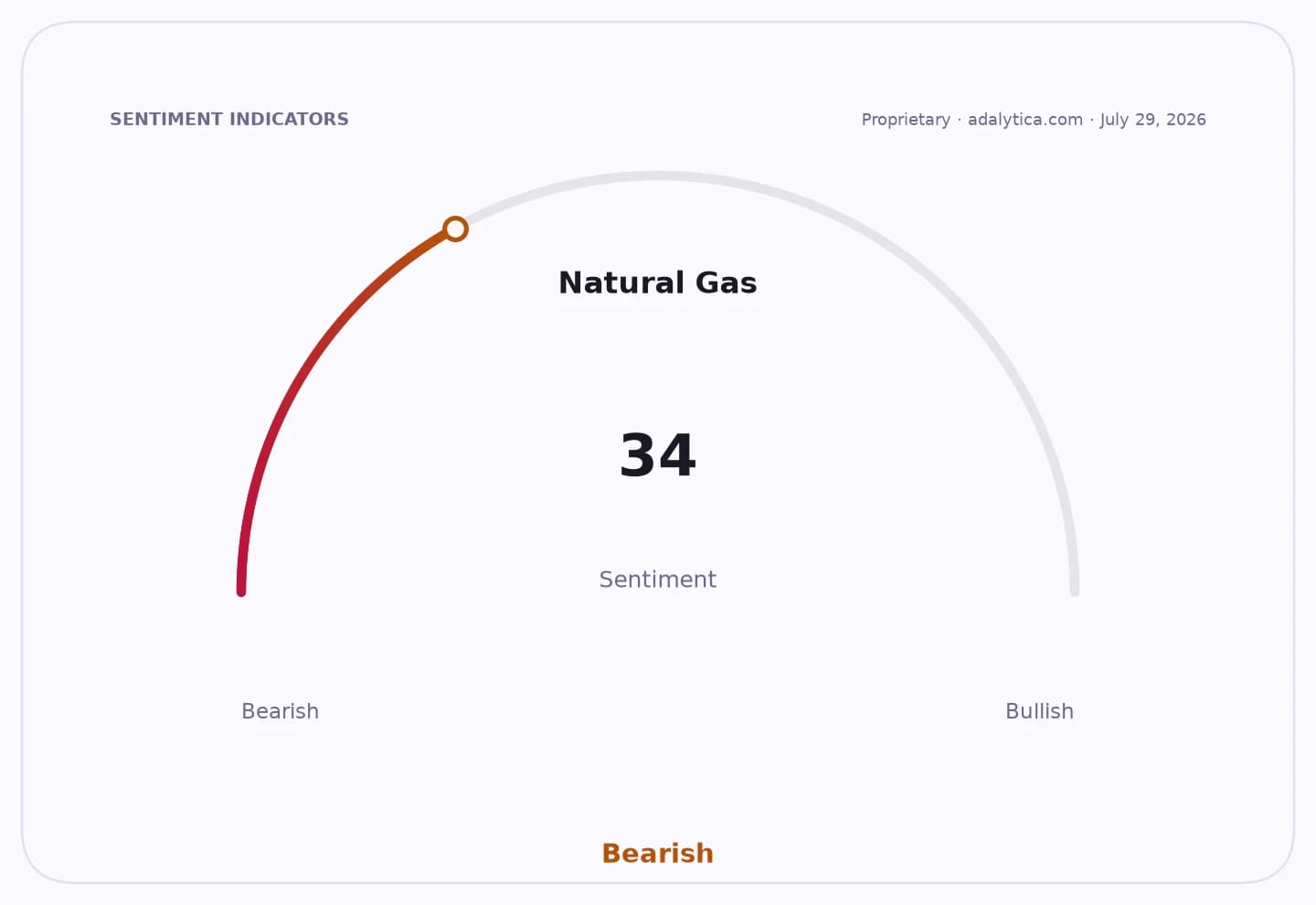
Sentiment IndicatorsⓘProprietary · adalytica.com · July 29, 2026
This is a snapshot — live sentiment, awareness and momentum for 130+ markets update continuously in the dashboard.Open AlphaPulse
The backdrop in energy has been volatile. West Texas Intermediate crude has swung from below $80 a barrel in mid-July to an expected $84.98 on July 21, while natural gas prices have been even more erratic, climbing to $7.46 earlier this year before sliding to around $2.69 on July 29. Those moves tell you the same thing investors need to know: input costs remain unstable, and industries that depend on steady energy access are still vulnerable to sharp swings.
For pharmaceutical makers tied to paracetamol inputs, the key issue is not just higher bills. It is production continuity. Gas shortages can interrupt manufacturing schedules, slow chemical processing and force companies to rely on spot sourcing or alternative suppliers, both of which can dent margins. That is especially important in generics, where pricing power is limited and even small cost increases can matter.
Markets have already been sensitive to supply-chain and policy shocks in pharma. Indian drugmakers were recently pressured by fears of a proposed 200% tariff on generic drugs, even though the longer-term hit may prove limited. The bigger lesson for investors is that the sector faces a layered risk stack: trade policy on one side, input shortages on the other. Companies with diversified manufacturing footprints, stronger balance sheets and better procurement flexibility are better positioned than those exposed to single-region supply chains.
The move in share prices also shows how investors are interpreting the risk. Pfizer has held up relatively well, while Teva has remained volatile and natural gas itself is under pressure again after a sharp run-up and pullback. That mix suggests markets are still trying to distinguish between temporary disruption and something more structural. For paracetamol raw material producers and the firms that depend on them, that distinction will shape earnings revisions more than any one-day price move.
The long-term takeaway is straightforward: energy security is supply-chain security. If gas shortages persist, the companies most likely to benefit are those with flexible sourcing, integrated manufacturing and pricing discipline. The losers are the smaller suppliers and commodity-exposed producers that cannot easily absorb another shock. For investors, this is a reminder to favor resilience over cheapness and to keep well-diversified pharma exposure in a portfolio built for the next three to ten years.
| Entity | Gains | Losses |
|---|---|---|
| Integrated drugmakers | ▲More resilient supply chains | ▼Lower cost visibility |
| Paracetamol raw material producers | ▲Stronger bargaining power if supply tightens | ▼Production disruptions |
| Generic drug users/importers | ▲Potential inventory rebuild opportunities | ▼Higher input costs |
| Energy suppliers | ▲Higher demand for reliable gas | ▼Less spare capacity pressure |