The pound is under renewed pressure against the euro as traders bet the Bank of England will stay cautious on rates while the European Central Bank keeps policy steady, leaving sterling without a fresh yield advantage.
GBP/EUR near 0.74 as BoE stays cautious
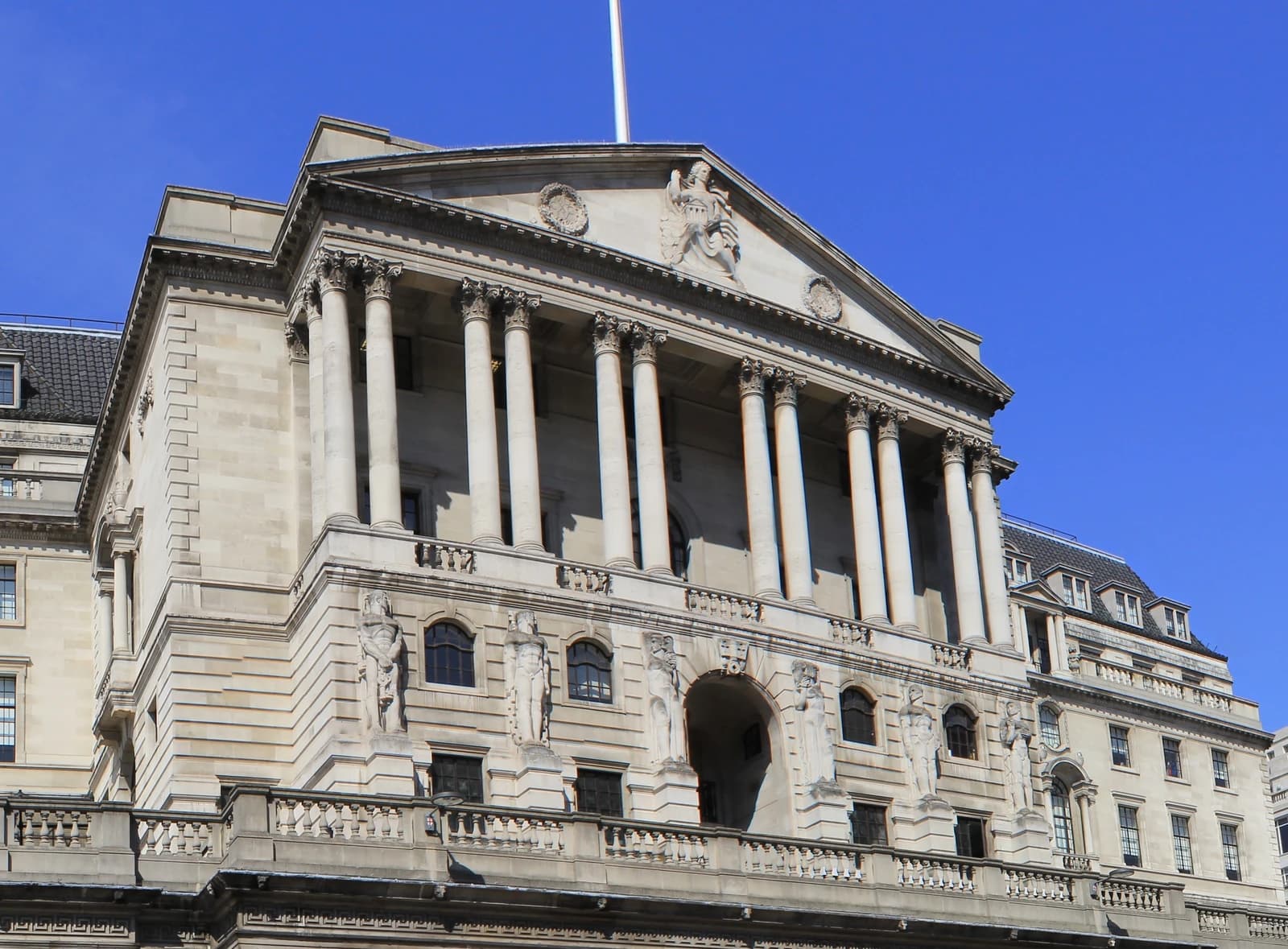
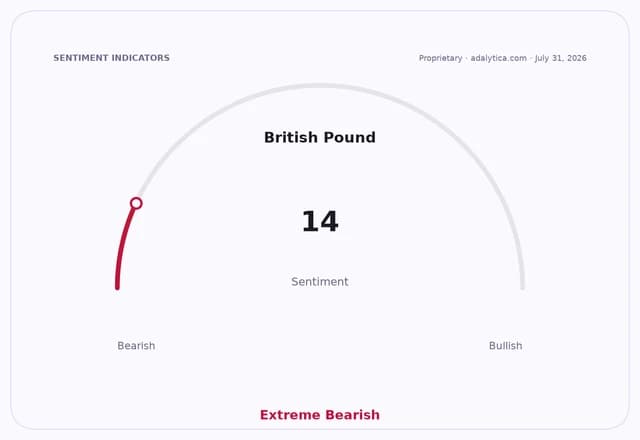
The pound-to-euro rate was last around 0.74, with the pair close to its 50-day and 200-day moving averages and not far from the lower end of its recent Bollinger Band range, a sign the cross is stuck in a narrow but fragile channel. Relative strength index readings have cooled to 44, down sharply from overbought levels earlier in the quarter, while Adalytica’s British Pound trade signals show sentiment at 14, or “Extreme Fear,” even as awareness remains high.
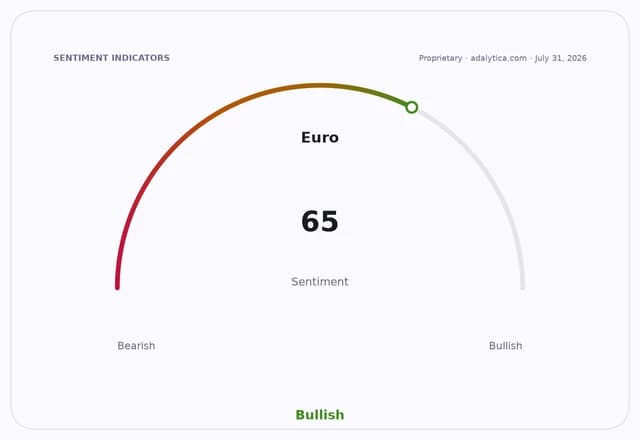
That backdrop matters because sterling’s path is being driven less by growth optimism and more by policy expectations. If the BoE signals it is still not ready to tighten aggressively, the pound loses one of its main supports against the euro, especially when the ECB is already seen as holding rates steady and giving the single currency a more stable rate backdrop.
For investors, the implication is that GBP/EUR may continue to drift lower unless UK data force a more hawkish shift from the BoE. A weaker pound can help British exporters, but it raises imported inflation pressure and can weigh on UK-focused equities with foreign-currency costs, while eurozone buyers and UK importers gain relative relief.
The pair’s recent technical profile also points to caution rather than conviction. The cross has hovered around 0.74 to 0.75 since late July, with momentum indicators flattening, suggesting traders are waiting for a policy catalyst rather than building a strong directional bet.
Near term, attention stays on BoE guidance, inflation prints and any shift in eurozone rate expectations. A more cautious BoE or weaker UK data would likely keep sterling on the defensive against the euro, while any surprise hawkish turn could trigger a short-covering bounce.
| Entity | Gains | Losses |
|---|---|---|
| Euro | ▲Stable ECB backdrop | ▼Less downside pressure |
| British exporters | ▲Cheaper pound support | ▼— |
| UK importers | ▲— | ▼Higher import costs |
| Sterling shorts | ▲Downside momentum | ▼Hawkish BoE surprise |