Geely is moving further into Europe through a Ford factory in Spain, a sign that Chinese automakers are using stranded Western industrial assets to build a local footprint while avoiding some of the tariff and logistics pressures weighing on cross-border car sales.
Geely Spain Move Signals Europe Push
The deal matters because it shows how Europe’s auto map is being redrawn by Chinese competition at a time when the region’s manufacturers face weak demand, high financing costs and pressure to defend domestic production. Selling capacity in Spain to a Chinese rival gives Ford cash and flexibility, but it also underscores how legacy automakers are increasingly choosing restructuring and partnerships over trying to keep every plant under their own control.
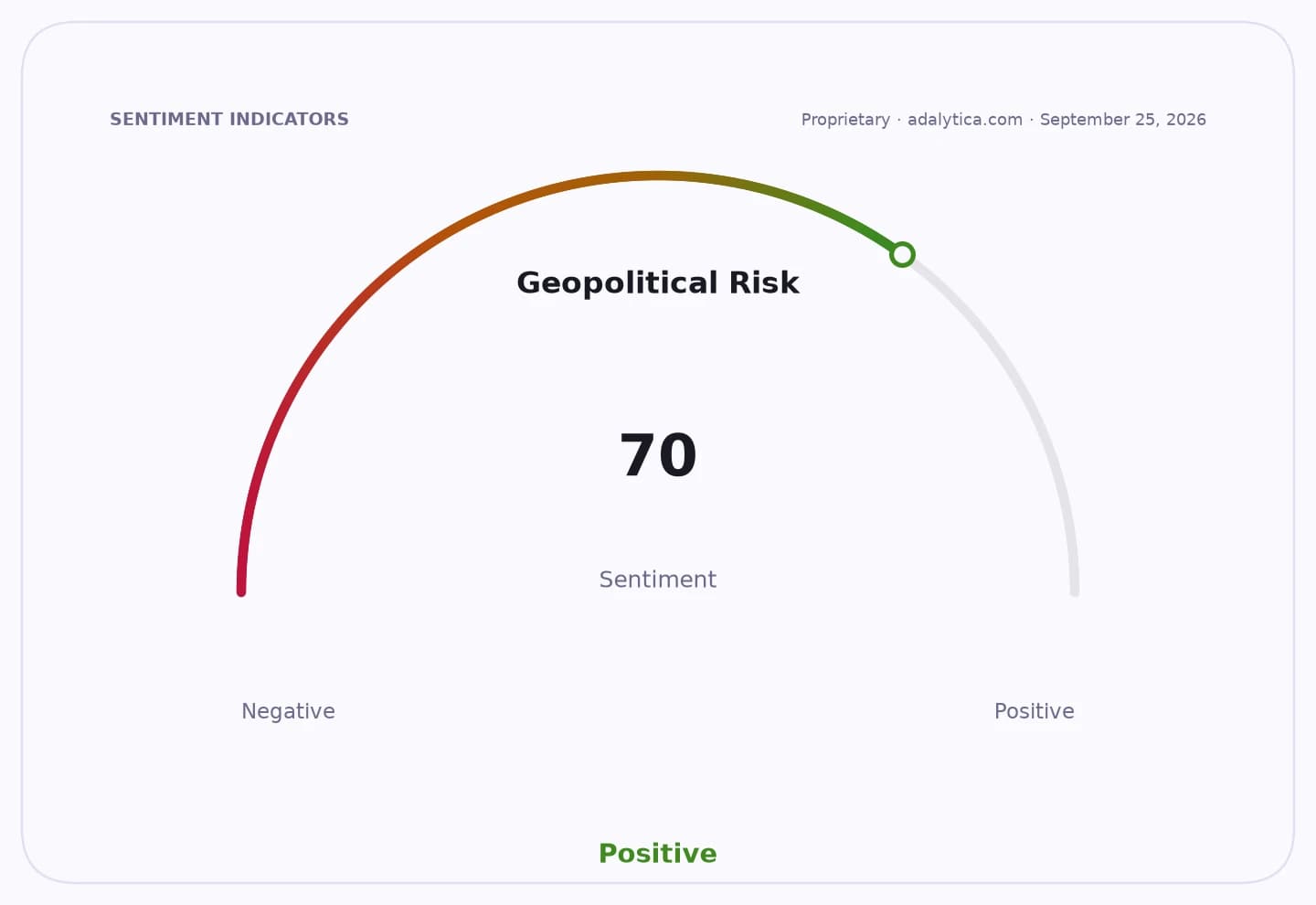
Sentiment IndicatorsⓘProprietary · adalytica.com · July 23, 2026
This is a snapshot — live sentiment, awareness and momentum for 130+ markets update continuously in the dashboard.Open AlphaPulse
For Geely, a foothold in Spain offers more than a factory address. It can shorten supply chains, improve access to the European Union market and help the Chinese group localize production in a region where policymakers are becoming more cautious about imported vehicles from China. That makes local manufacturing a strategic tool, not just an operating decision.
The broader backdrop is a global auto industry still wrestling with higher interest rates and uneven industrial momentum. U.S. 10-year Treasury yields are around 4.63%, keeping auto finance expensive and consumer affordability under pressure, while U.S. industrial production points to only modest growth ahead, reinforcing the view that manufacturers are prioritizing cost control and capacity discipline.
Investors will read the move as another sign that European expansion by Chinese carmakers is not slowing, even as trade friction rises. Ford’s shares have recovered to about $14.42 from a spring low near $9.34, while Geely’s U.S.-listed shares trade around $45.81 after a sharp retreat from April highs above $60, reflecting the market’s swing between optimism on global expansion and concern about margins, execution and policy risk.
The next focus will be whether Geely uses Spain as a template for more localized European production and whether other Western automakers follow Ford’s lead by monetizing excess plant capacity as competition from China intensifies.
| Entity | Gains | Losses |
|---|---|---|
| Geely | ▲European production foothold | ▼Import tariff exposure |
| Ford | ▲Cash and capacity flexibility | ▼Direct plant control |
| European buyers | ▲Localized supply options | ▼Higher competitive pressure on legacy brands |
| Legacy automakers | ▲Asset-light restructuring path | ▼Market share to Chinese rivals |