Pro-China accounts attacking a content creator’s South China Sea feature is a reminder that geopolitics now travels at the speed of social media — and that platforms like Meta, Alphabet’s YouTube and Snap can be caught in the middle.
Geopolitical Social Media Risk Hits Platforms
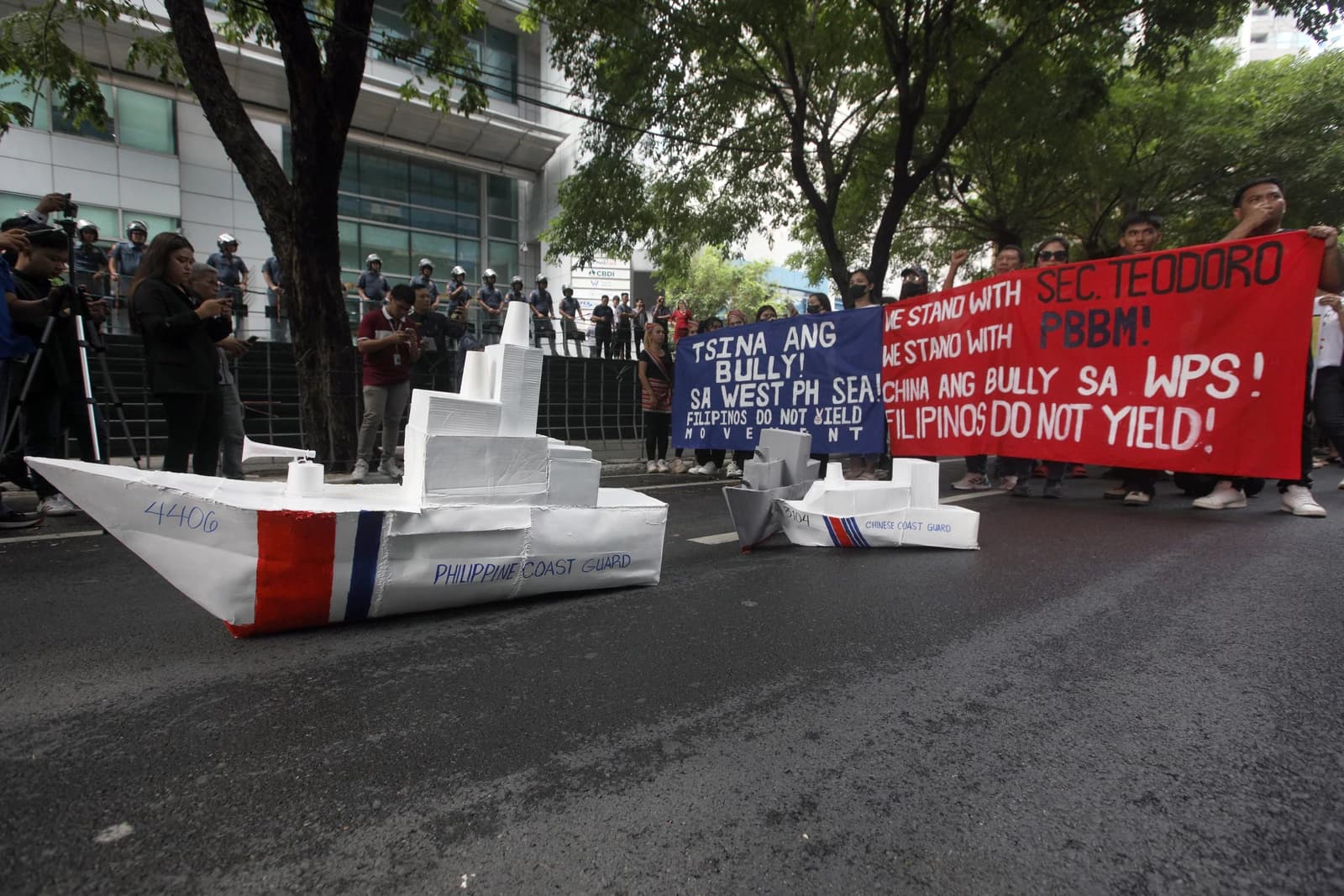
For investors, that matters because the fight over narratives is no longer just a public-relations headache. It can influence ad demand, moderation costs, user trust and, in extreme cases, regulatory scrutiny in Asia, where both the commercial opportunity and political sensitivity are high. When a regional flashpoint like the West Philippine Sea spills into coordinated online backlash, the economic damage is usually indirect at first, but it can still be real for the platforms that host the debate.
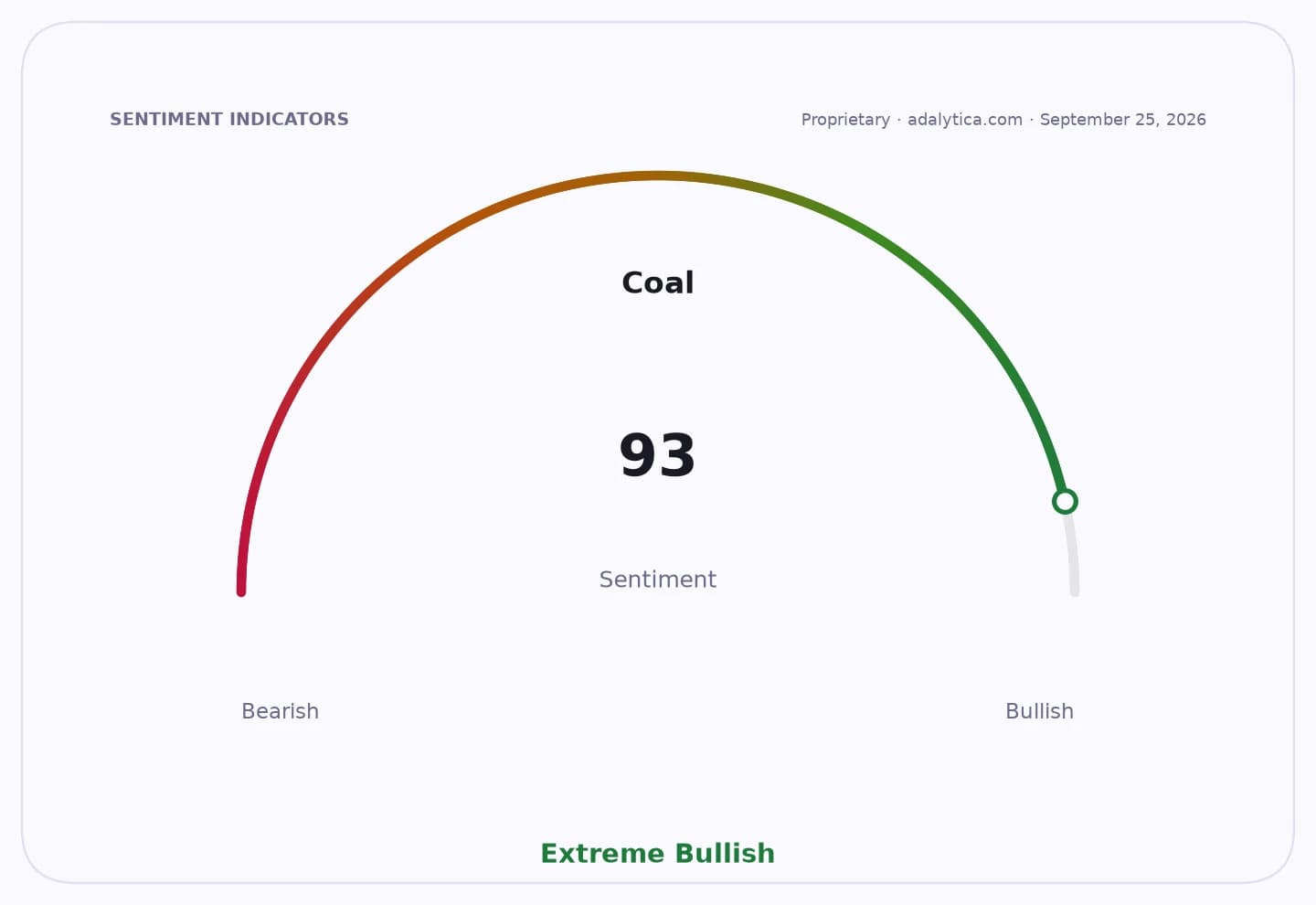
Sentiment IndicatorsⓘProprietary · adalytica.com · July 28, 2026
This is a snapshot — live sentiment, awareness and momentum for 130+ markets update continuously in the dashboard.Open AlphaPulse
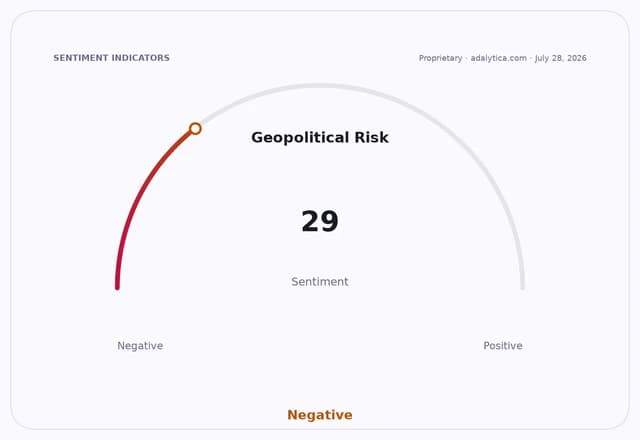
The South China Sea remains one of Asia’s most economically important fault lines, with shipping lanes, energy claims and national security all tangled together. The latest tensions — including condemnation from U.S. Senator Marco Rubio and continued clashes involving Chinese and Filipino officers — underscore how fragile the operating environment is for any company exposed to the region. Even a single viral feature can trigger an organized response from politically aligned accounts, which in turn raises the risk that platforms become conduits for disinformation, harassment or state-adjacent influence campaigns.
That is the kind of risk Meta and Alphabet have spent years trying to manage, and both companies have disclosed in filings that hostile or inauthentic behavior, misleading content and regulatory changes in places such as Hong Kong can hurt operations. Snap, which depends heavily on user engagement and advertiser confidence, is even more vulnerable if users perceive the platform as a poor place for safe, high-quality conversation. Long term, the core issue is not one video or one controversy; it is whether global social platforms can keep scaling while remaining credible in contested information environments.
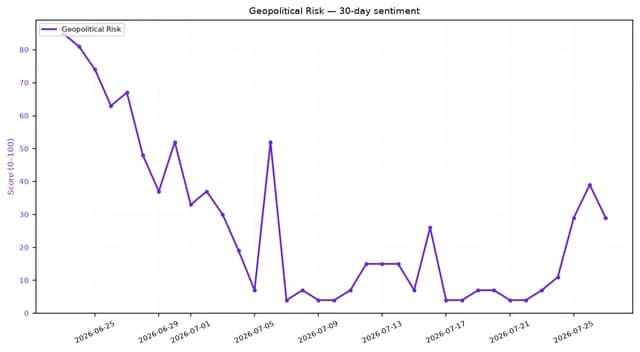
The stock charts also show why investors should keep the bigger picture in mind. Meta and Alphabet have both been volatile, but their businesses are far larger and more resilient than any one geopolitical flare-up. Meta’s shares have slipped back below key long-term trend levels, while Alphabet has also pulled well off recent highs, reflecting a market that is cautious about growth, regulation and sentiment. Snap, by contrast, remains under much heavier pressure, with the shares trading far below their longer-term averages, a sign that investors still see a business with limited margin for error.
Adalytica’s Global Stability Sentiment currently sits in “Fear,” while its U.S.-China relations gauge is only neutral, suggesting the market is not pricing in a full-blown escalation — yet. That is exactly why incidents like this matter: they can change sentiment quickly, especially if they spread from one creator’s post into a wider debate about platform governance, foreign influence and online safety.
For long-term investors, the takeaway is straightforward. Geopolitical flare-ups do not usually change the investment case for dominant platforms overnight, but they do reinforce why scale, moderation infrastructure and advertising breadth matter so much. Meta and Alphabet still have the stronger moats; Snap has the most to prove. If you invest for years, not weeks, this is the sort of risk that belongs on your watchlist — not because it breaks the thesis, but because it tests which companies can endure it.
| Entity | Gains | Losses |
|---|---|---|
| Meta and Alphabet | ▲Greater need for scale and trust | ▼Higher moderation and reputational risk |
| Snap | ▲Engagement from political news flow | ▼User trust and ad quality pressure |
| Pro-China influence accounts | ▲Amplified reach | ▼Scrutiny and potential pushback |
| Content creator / watchdog voices | ▲More attention to the issue | ▼Harassment and coordination campaigns |