Germany’s push to loosen its debt rules is already being priced through bond markets, and the real story is not higher borrowing itself but who pays for it. If Berlin moves toward the “Milei principle” of making debt hurt the right people, the cost lands first on taxpayers, weaker borrowers and the eurozone’s most interest-rate-sensitive sectors — while defense, infrastructure and the banks financing the transition stand to gain.
Germany debt rules push lifts Bund yields to 4.66%

That matters because Germany is not just another sovereign borrower. It is the eurozone’s anchor, the benchmark for regional rates and the political force that has long set the tone for fiscal orthodoxy. A shift away from rigid deficit discipline changes the investment case for everything from Bunds to the euro to European lenders. The 10-year German yield was hovering around 4.66% in the latest data, while the 2-year was near 4.18%, leaving the curve modestly positive at 0.52 percentage point and signaling a market that expects policy to stay restrictive even as fiscal debate turns more expansionary.
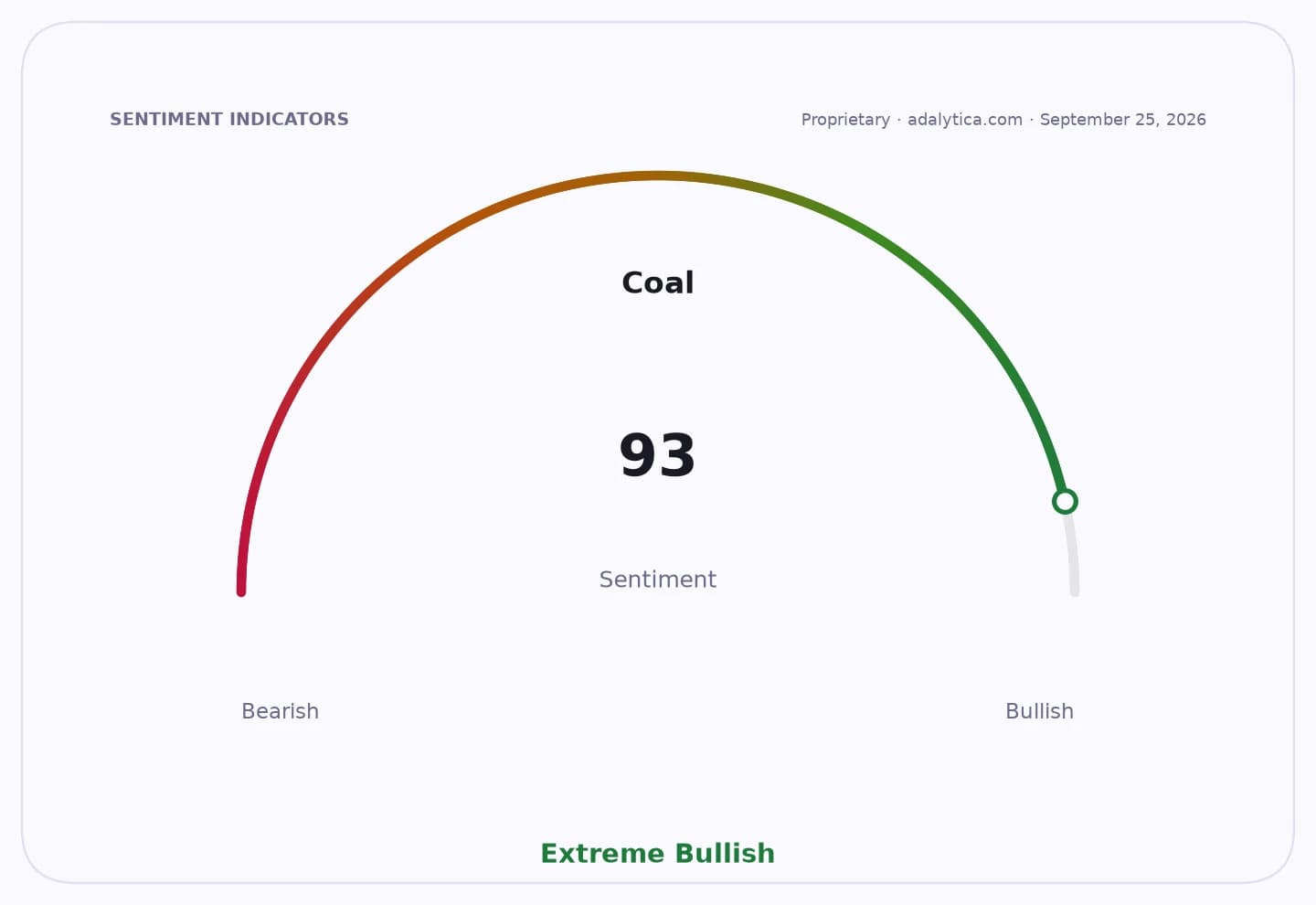
Sentiment IndicatorsⓘProprietary · adalytica.com · August 3, 2026
This is a snapshot — live sentiment, awareness and momentum for 130+ markets update continuously in the dashboard.Open AlphaPulse
For investors, that is exactly where the opportunity lies. The market still treats Germany’s fiscal debate as a policy footnote, but it is actually a capital-allocation event. Higher public borrowing in Europe’s largest economy should support domestic demand and help break the continent’s growth malaise, but it also forces a repricing of duration risk. The euro was steady around 1.15 against the dollar, suggesting FX traders have not yet fully embraced the implications of a more debt-tolerant Germany for the euro area’s rate path or growth mix.
German equities are already responding. The EWG ETF tracking Germany has climbed to 42.85 from 40.59 just over a week earlier, with its RSI rising to 68.3 and the price pushing to the upper end of its Bollinger Band. Deutsche Bank shares have also firmed, recently trading at 36.70 after touching 37.03, as a steeper or at least more volatile fiscal backdrop tends to support lending, capital-markets activity and hedging flows. That is the kind of second-order beneficiary the market often misses when the headline is simply “Germany may borrow more.”
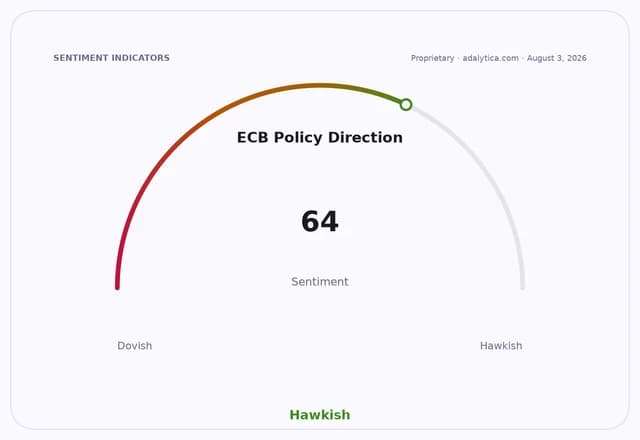
The ECB cannot ignore this. A more expansionary German fiscal stance gives the central bank less room to count on austerity to cool demand, even as Europe’s growth remains fragile. The policy backdrop leaves the ECB boxed between the need to preserve financial stability and the risk that easier fiscal policy eventually collides with still-elevated rates. Adalytica’s EU fiscal-debt sentiment and ECB policy sentiment both remain neutral, but the recent jump in awareness shows the issue is moving back to the center of the market’s attention.
The investable thesis is straightforward: own the beneficiaries of Germany’s fiscal reset, but be selective on duration. Defense contractors, infrastructure suppliers, industrials and banks should see the cleanest earnings tailwinds if Berlin accepts that borrowing must be tied to visible national priorities rather than diffuse consumption. Long-duration Bund exposure, by contrast, is the crowded side of the trade if fiscal loosening becomes politically durable. If Germany is going to borrow more, the market will eventually demand that someone feels the cost — and that rerating is where the next move will come from.
| Entity | Gains | Losses |
|---|---|---|
| German banks | ▲More lending and fee income | ▼Higher funding volatility |
| Defense and infrastructure stocks | ▲Fresh fiscal spending | ▼None directly |
| Bund holders | ▲None | ▼More supply, higher yields |
| German taxpayers / weaker borrowers | ▲Targeted relief if spending is productive | ▼Higher debt burden over time |