Germany will lift the monthly price of the popular Deutschlandticket to 58 euros in 2024, a move that helps finance overdue railway infrastructure work but also tests whether the mass-transit pass can keep its appeal as living costs remain elevated.
Germany Deutschlandticket rises to 58 euros in 2024
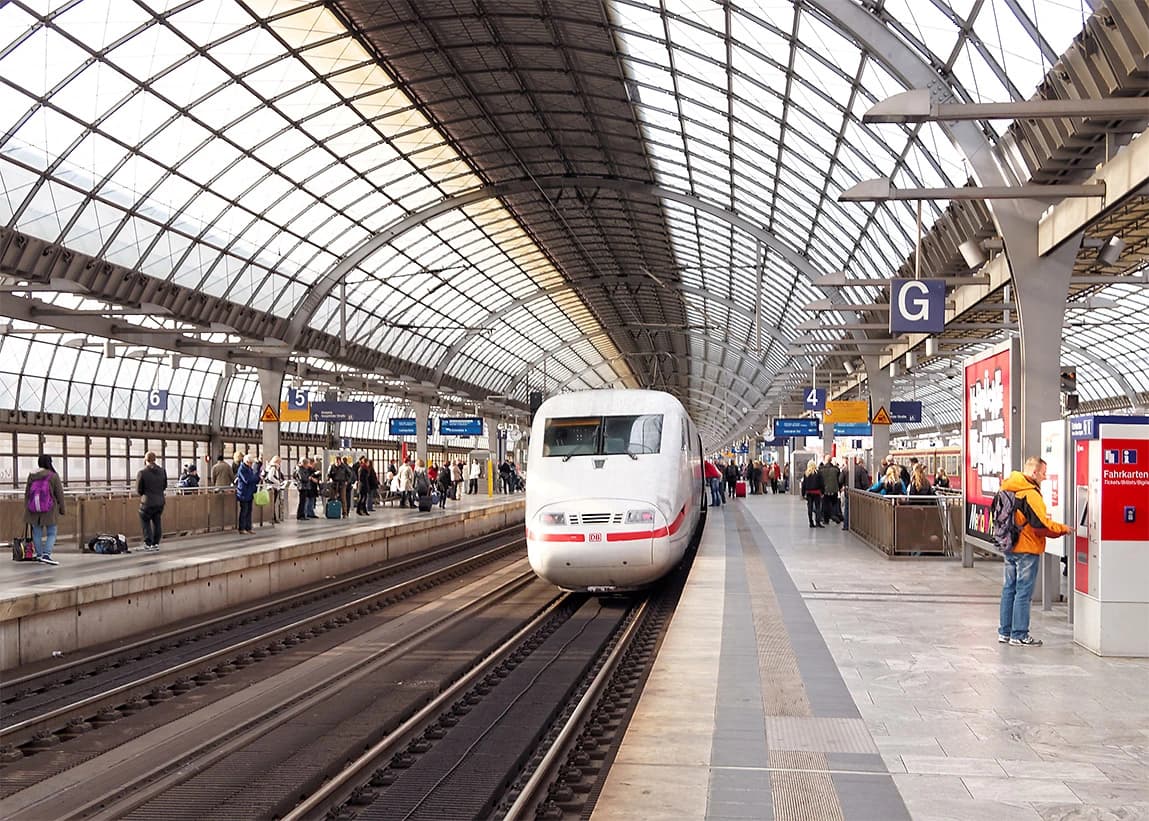
The increase from 49 euros is modest in absolute terms, yet it matters because the ticket has become one of the clearest examples of government-backed support for households and a politically visible tool for nudging commuters away from cars. Raising the fare while redirecting funds toward railway upgrades reflects a trade-off now facing Berlin: preserve a broad subsidy for public transport, or free up resources to tackle a network that has been hit by delays, cancellations and repeated technical disruptions.
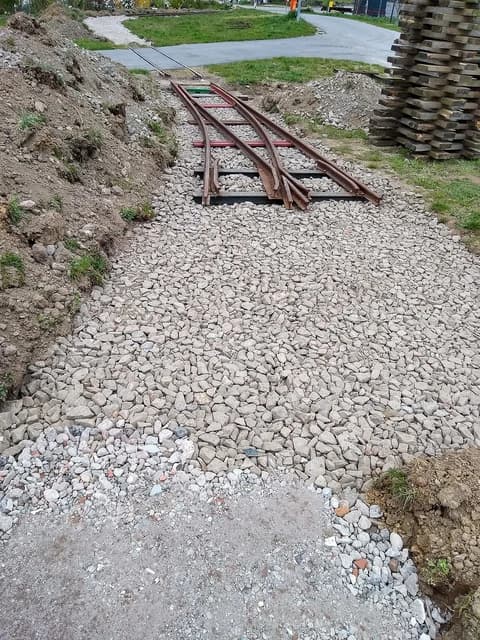
That infrastructure need is becoming harder to ignore. Germany’s rail system has struggled with punctuality and reliability, and policy makers have been under pressure to show that the ticket does not just subsidize ridership but also supports the assets needed to keep the network functioning. The latest shift suggests the government is trying to pair consumer support with capital spending, rather than treating the fare cap as a standalone social policy.
For investors, the immediate impact is limited, but the signal is broader. A higher price could temper some demand at the margin, especially among price-sensitive users, though the ticket remains well below the cost of most regional and urban alternatives. The more important implication is for German transport and industrial policy: public funding is moving toward infrastructure repair and capacity improvements, which should be positive over time for rail contractors, engineering groups and suppliers tied to network modernization.
The flip side is that if service quality does not improve, the fare increase could undermine one of the few measures that made rail travel easier for millions of commuters. That would leave the government spending more to get less political goodwill, and it could renew debate over whether Germany is prioritizing the right mix of operating subsidies and capital investment.
For markets, the key question now is whether Berlin can deliver visible reliability gains before patience with the railway system runs out. If the infrastructure push starts to reduce delays and cancellations, the higher ticket price may prove manageable. If not, the Deutschlandticket risks becoming a symbol not of transit reform, but of a system still paying for years of underinvestment.
| Entity | Gains | Losses |
|---|---|---|
| German rail infrastructure builders | ▲More funding | ▼Depend on execution |
| Deutsche Bahn | ▲Potential network upgrades | ▼Higher scrutiny over service |
| Commuters | ▲Better long-term reliability | ▼Higher monthly fare |
| Government budget | ▲More room for capital spending | ▼Less consumer subsidy appeal |