Germany’s far right has gained ground because voters are still living with the economic aftershocks of higher prices, weak growth and a labour market that is no longer as secure as it once looked.
Germany far right gains as economy weakens
That economic stress matters because it is precisely the backdrop in which anti-establishment parties tend to outperform. Even as Germany’s unemployment rate is projected at 4.02% in September, broadly low by international standards, the number masks a more fragile picture: joblessness has been stuck around 4.1% in recent months, while consumer prices remain elevated, with CPI at 334.131 in August and only a modest forecast easing to 333.8642 in September. For households, that combination still feels like stagnation rather than stability.
Sentiment IndicatorsⓘProprietary · adalytica.com · October 2, 2026
This is a snapshot — live sentiment, awareness and momentum for 130+ markets update continuously in the dashboard.Open AlphaPulse
Investors should care because political fragmentation in Europe’s largest economy can slow policymaking just when Berlin needs faster decisions on energy, industrial support and fiscal priorities. The German equity proxy EWG has slipped to $40.82, below its 50-day moving average of $43.08 and not far from its 200-day average of $41.87, a sign that sentiment remains cautious. The DAX proxy is also under pressure at 43.43, below its 50-day average of 46.08 and with an RSI reading of 23.8, which points to a market that has been sold heavily. That doesn’t prove politics is the sole driver, but it fits a broader theme: Germany’s growth narrative is weak enough that investors are not willing to pay for optimism.
The macro backdrop is also hard to separate from the political one. The 10-year yield at 5.29 is far above the 0.73 low seen in March 2020, reflecting a world of tighter financing conditions than the one Germany benefited from for much of the past decade. Higher borrowing costs hit the state, companies and consumers alike, and they make it harder to cushion the slowdown with easy money. In that environment, parties promising economic protection, tougher migration policy and a break from the political mainstream tend to find a receptive audience.
Geopolitical Risk vs EWGadalytica.com
Explore this data interactively — full history, time series and cross-market comparisons.Open AlphaPulse
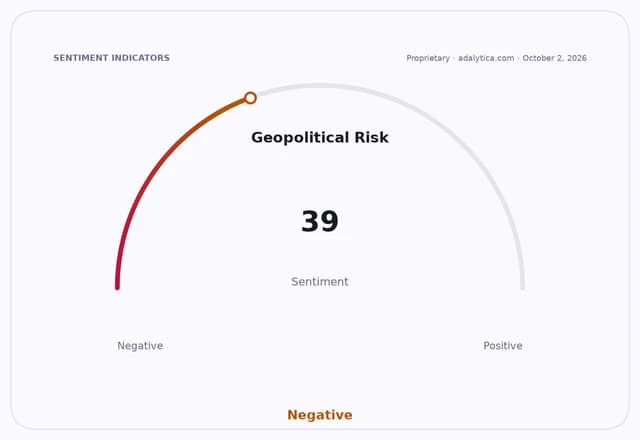
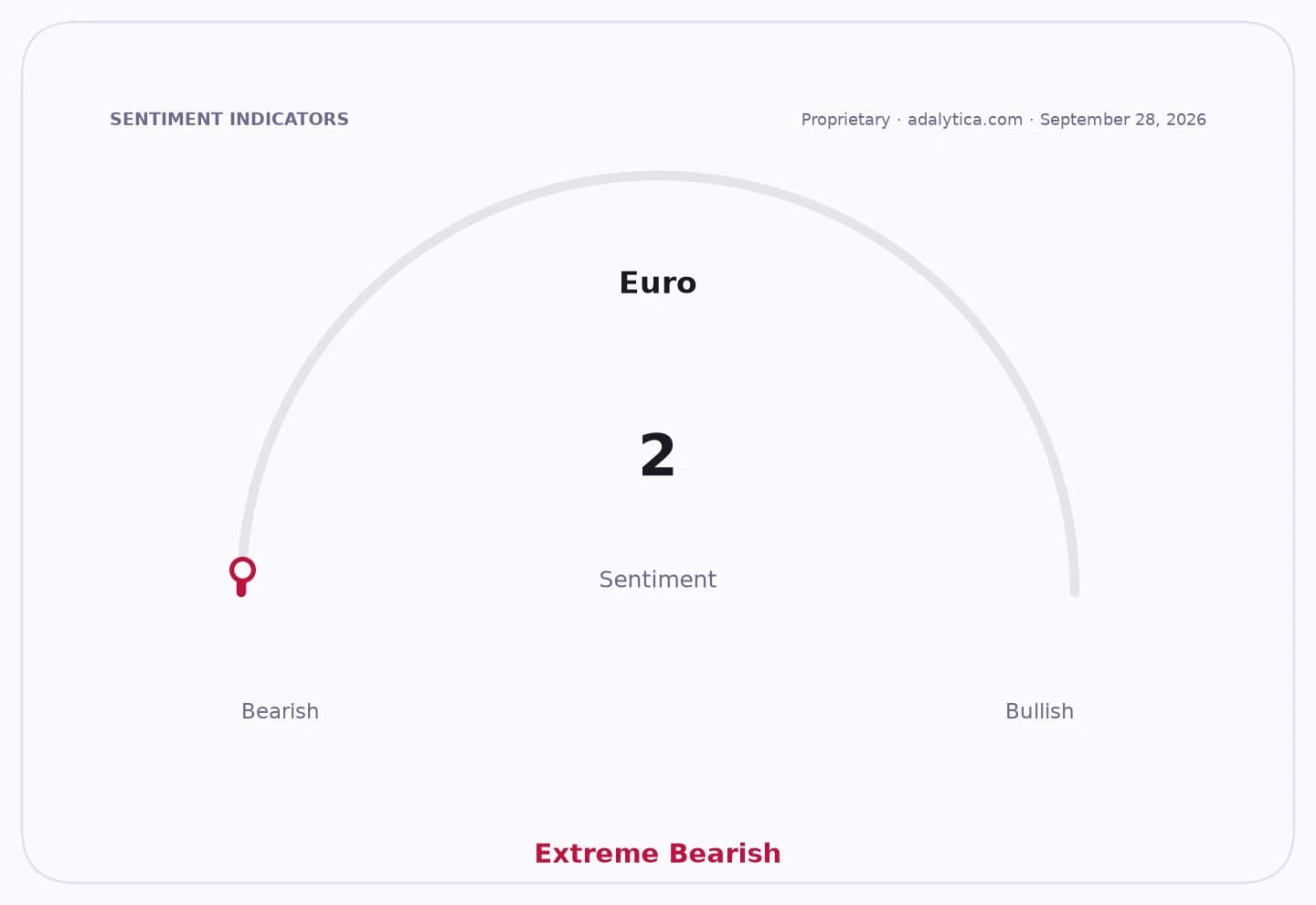
Adalytica’s Global Stability Sentiment snapshot has fallen to 39, from 68 the previous day and 86 on Sept. 29, while its awareness gauge sits in “Extreme Fear” territory at 4. That does not explain German politics on its own, but it captures the same mood: a market and policy environment defined by anxiety rather than confidence. Euro trade signals are even more distressed, with sentiment at 9, suggesting investors see European growth and policy coordination as increasingly fragile.
The bull case for Germany’s mainstream is that unemployment is still low, inflation has cooled from crisis peaks and the economy has not fallen into a severe recession. The bear case is that voters do not experience “low unemployment” as a reason for comfort when wages, housing and energy costs have already reshaped their standard of living. If growth remains soft and the political centre cannot deliver faster industrial policy or a clearer migration narrative, the far right’s appeal is likely to remain durable.
For markets, the question is less whether Germany’s far right can keep winning than whether its rise will make Europe’s biggest economy harder to govern. The answer will affect everything from fiscal policy and defence spending to corporate investment and the euro’s relative appeal.
| Entity | Gains | Losses |
|---|---|---|
| Far-right parties | ▲Protest votes | ▼Mainstream coalition parties |
| Voters worried about prices | ▲Anti-establishment message | ▼Policy continuity |
| German equities | ▲Short-term volatility traders | ▼Long-only confidence |
| Exporters and industry | ▲Potential if policy shifts boost demand | ▼If political gridlock persists |