Germany’s economy expanded 0.2% in the second quarter, a better-than-expected showing that eases fears of an immediate downturn even as the war in the Middle East threatens trade, energy and confidence.
Germany GDP Rises 0.2% in Q2
The reading matters because Europe’s largest economy has spent much of the past two years on the edge of recession, weighed down by weak manufacturing, high borrowing costs and slower global demand. A positive quarterly print does not amount to a full recovery, but it suggests Germany is holding up better than many investors expected, giving policymakers a little more room before the next growth scare.
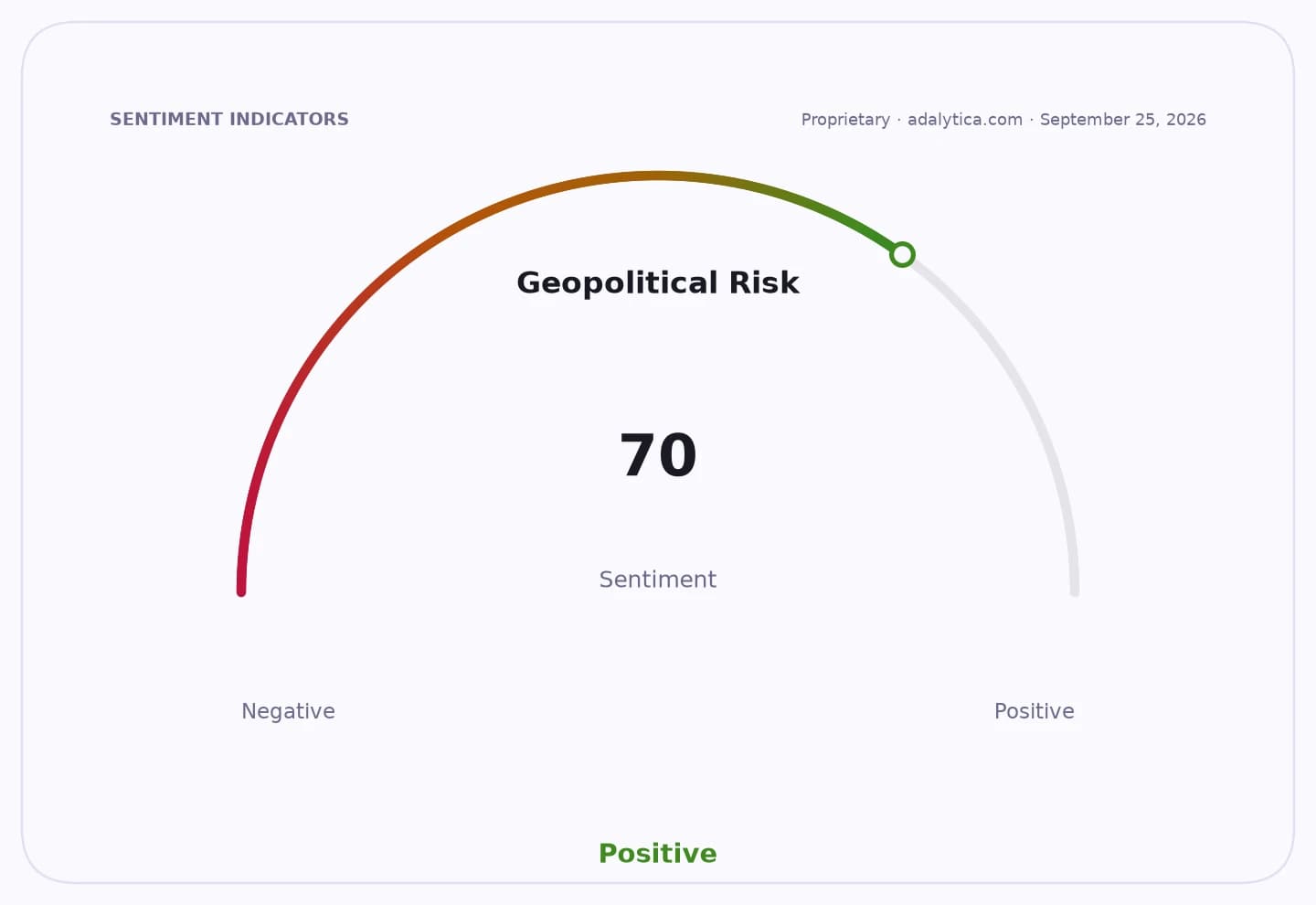
Sentiment IndicatorsⓘProprietary · adalytica.com · July 30, 2026
This is a snapshot — live sentiment, awareness and momentum for 130+ markets update continuously in the dashboard.Open AlphaPulse
For markets, the figure supports the view that the euro zone’s growth story is stabilizing rather than deteriorating. France also returned to growth in the quarter, while the broader euro area expanded 0.4%, reinforcing the sense that domestic demand in parts of Europe is offsetting some of the drag from global trade tensions and geopolitical shocks. That has implications for rate expectations, bond yields and sector positioning across European equities.
The resilience is especially notable given the backdrop. Escalating conflict in the Middle East has raised the risk of higher energy costs and supply disruptions, both of which hit Germany harder than many peers because of its industrial base and dependence on imported inputs. A surprisingly firm GDP result suggests those pressures had not yet translated into a broad collapse in activity, though the risk remains that any prolonged disruption could still hit margins and investment.
Germany-focused assets reflected that cautious optimism. The Germany ETF EWG has recovered to around $41.94, above both its 50-day and 200-day moving averages, with RSI readings in neutral territory and a modestly positive MACD crossover, indicating the market is no longer pricing an outright growth slump. Deutsche Bank shares have also steadied near $35.47 after a volatile first half, while the DAX has pushed back above 45, helped by the view that the domestic economy is not as fragile as feared.
The stronger GDP print also comes at a time when investors are looking for evidence that Europe can grow without a major rebound in external trade. That makes the composition of growth more important than the headline number itself. If domestic consumption and services are doing more of the work, the recovery is likely to be slower but more durable; if the gain was driven mainly by volatile components, it may prove short-lived.
For investors, the key question is whether this is the start of a broader European inflection or just a temporary reprieve. Bullish investors will point to better-than-feared growth, improving price action in German equities and the possibility that a softer US dollar and lower real rates continue to support risk assets. Bears will note that Germany’s industrial sector still faces structural headwinds, and any energy shock or export slowdown could quickly erase the gains.
The next test is whether the second-quarter resilience carries into the summer data, especially in industrial output, orders and consumer spending. If it does, Germany may yet avoid another recession scare. If not, the economy’s modest growth could be remembered as little more than a pause in a longer period of stagnation.
| Entity | Gains | Losses |
|---|---|---|
| Germany / DAX | ▲Recession fears ease | ▼Weak-growth narrative |
| Exporters / industrials | ▲Better demand backdrop | ▼Energy and input-cost shocks |
| German equities | ▲Supportive investor sentiment | ▼Growth-scare sellers |
| ECB hawks | ▲Less urgency for easing | ▼Doves seeking faster stimulus |