An Indian woman’s viral remark that she picked Germany because she did not want “visa tension” in the U.S. taps a bigger economic shift: for skilled migrants, predictability is becoming almost as valuable as pay. That matters for investors because it affects where global talent, consumer spending and long-term productivity land next.
Germany Attracts Indian Talent Amid U.S. Visa Friction
The message is simple but powerful. The United States remains the world’s deepest market for high-end jobs, especially in technology, finance and research, but the frustration around U.S. visa processing is nudging some would-be workers and students toward Germany and other parts of Europe. In a world where AI, engineering and advanced services depend on mobile talent, even small changes in migration preferences can alter hiring pipelines, university demand and eventually corporate growth.
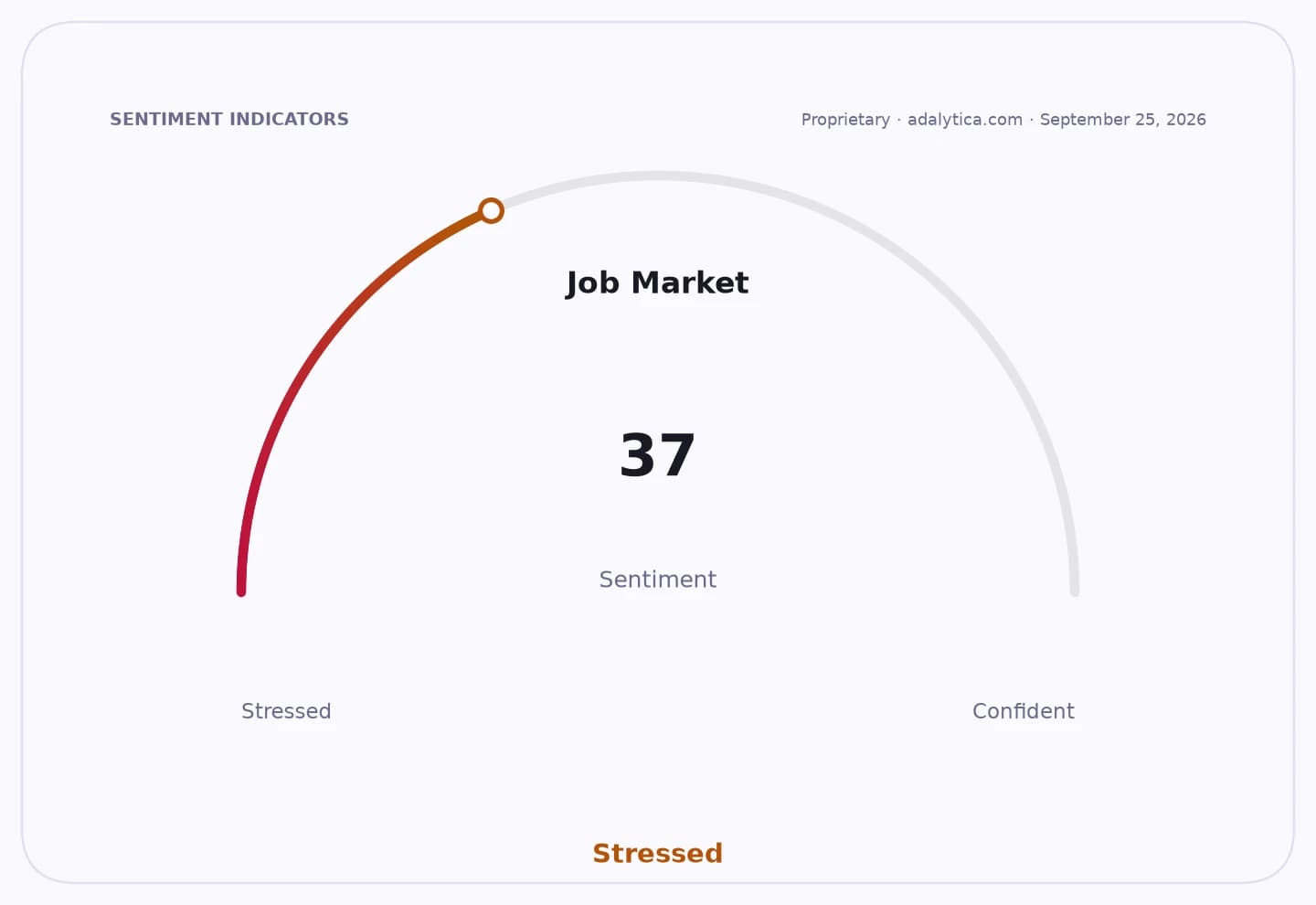
Sentiment IndicatorsⓘProprietary · adalytica.com · August 9, 2026
This is a snapshot — live sentiment, awareness and momentum for 130+ markets update continuously in the dashboard.Open AlphaPulse
Germany has a clear opening here. Its economy has been struggling with sluggish industrial output and weak investment, and it badly needs skilled workers to offset demographic decline. For Indian professionals, that makes Germany more than a backup plan: it is increasingly a destination with a more navigable immigration path, a strong manufacturing base and growing demand in engineering, software and health care. The “visa tension” line resonates because it highlights a very practical calculation by young workers and their families — not just prestige, but certainty.
For U.S. investors, the risk is not that America stops attracting talent. It is that friction starts to matter at the margins. If visa uncertainty keeps more international students and workers from choosing the U.S., the long-term effect could be tighter labor supply in the sectors that have driven much of corporate America’s innovation edge. That is especially relevant for large-cap technology and service companies that rely on foreign-born engineers, researchers and founders.
The market backdrop underscores how much investors are already rewarding the winners that can capture global talent and global demand. Visa Inc. has been climbing above both its 50-day and 200-day moving averages, with the stock recently around $362 and supported by improving momentum readings. That may not have anything to do with immigration directly, but it reflects how investors continue to favor businesses tied to cross-border commerce and resilient consumer spending. The broader S&P 500, meanwhile, has been pressing to fresh highs, and Adalytica’s S&P 500 Trade Signals show “Extreme Greed,” a reminder that markets are already assuming a favorable growth path.
Germany’s own equity market story is more modest, with the EWG Germany ETF near the mid-$40s and still trading only slightly above its long-term trend line. But that could be exactly why talent inflows matter. If Germany can convert its appeal to skilled migrants into stronger labor force growth, the payoff would show up over years, not weeks, in areas like automation, exports and domestic demand.
There are limits to the story, of course. One viral comment does not make a migration trend, and the U.S. still offers unmatched salaries, venture capital and career optionality. But investors should pay attention to the preferences of the people actually making the next generation of economic output. If a growing share of Indian students and workers decides that Germany offers less bureaucratic uncertainty, that is a quiet but meaningful competitive advantage.
For long-term investors, the takeaway is less about one country winning a headline and more about how policy friction shapes capital, talent and growth. The countries and companies that make it easiest to work, study and build are the ones most likely to compound over time. That is worth watching closely.
| Entity | Gains | Losses |
|---|---|---|
| Germany | ▲More skilled migrants | ▼U.S. brain drain edge |
| U.S. employers | ▲Less immediate certainty | ▼Harder talent recruitment |
| Indian students/workers | ▲Clearer visa path | ▼Higher U.S. uncertainty |
| European universities/businesses | ▲Stronger demand | ▼U.S. competitors |