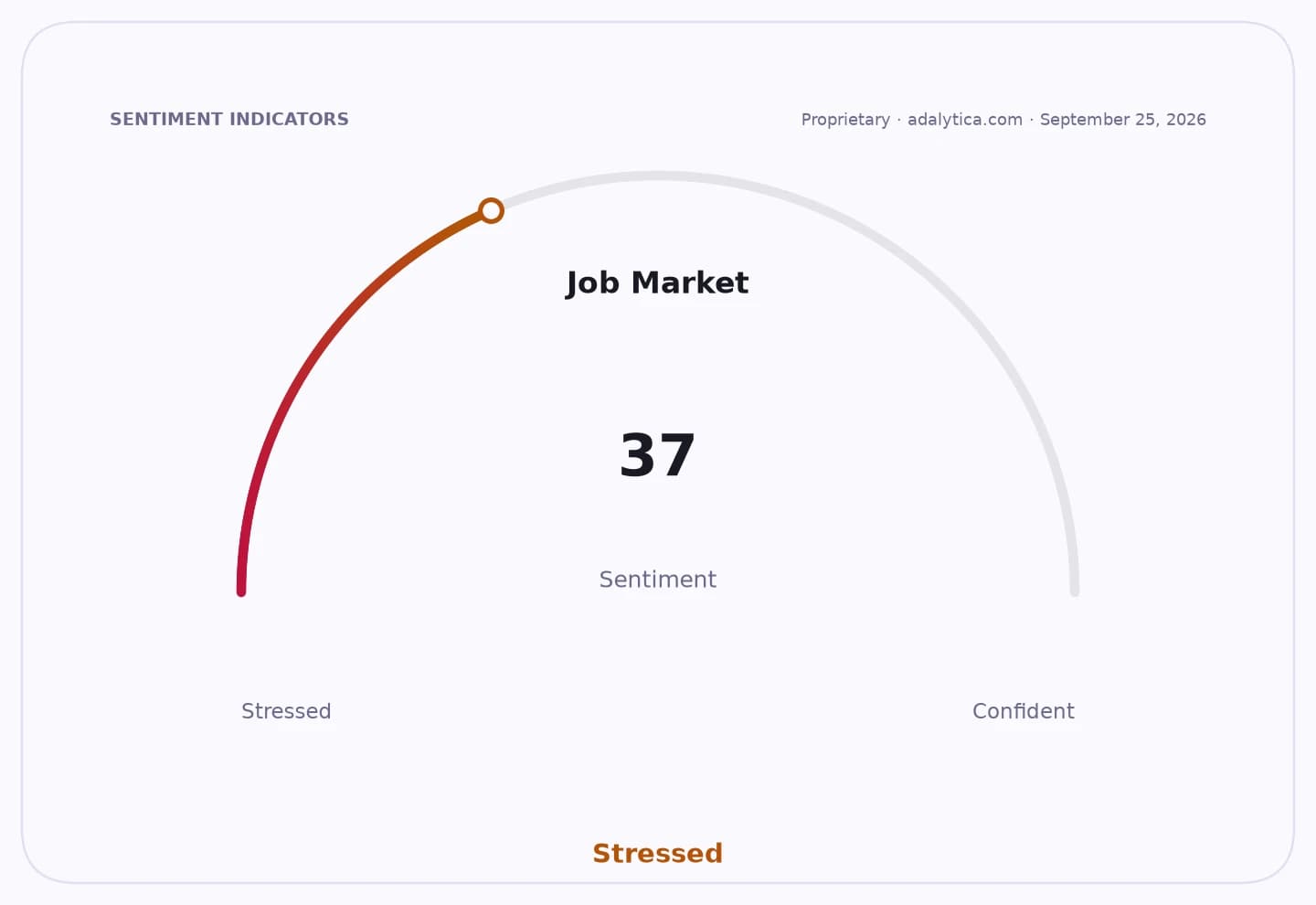
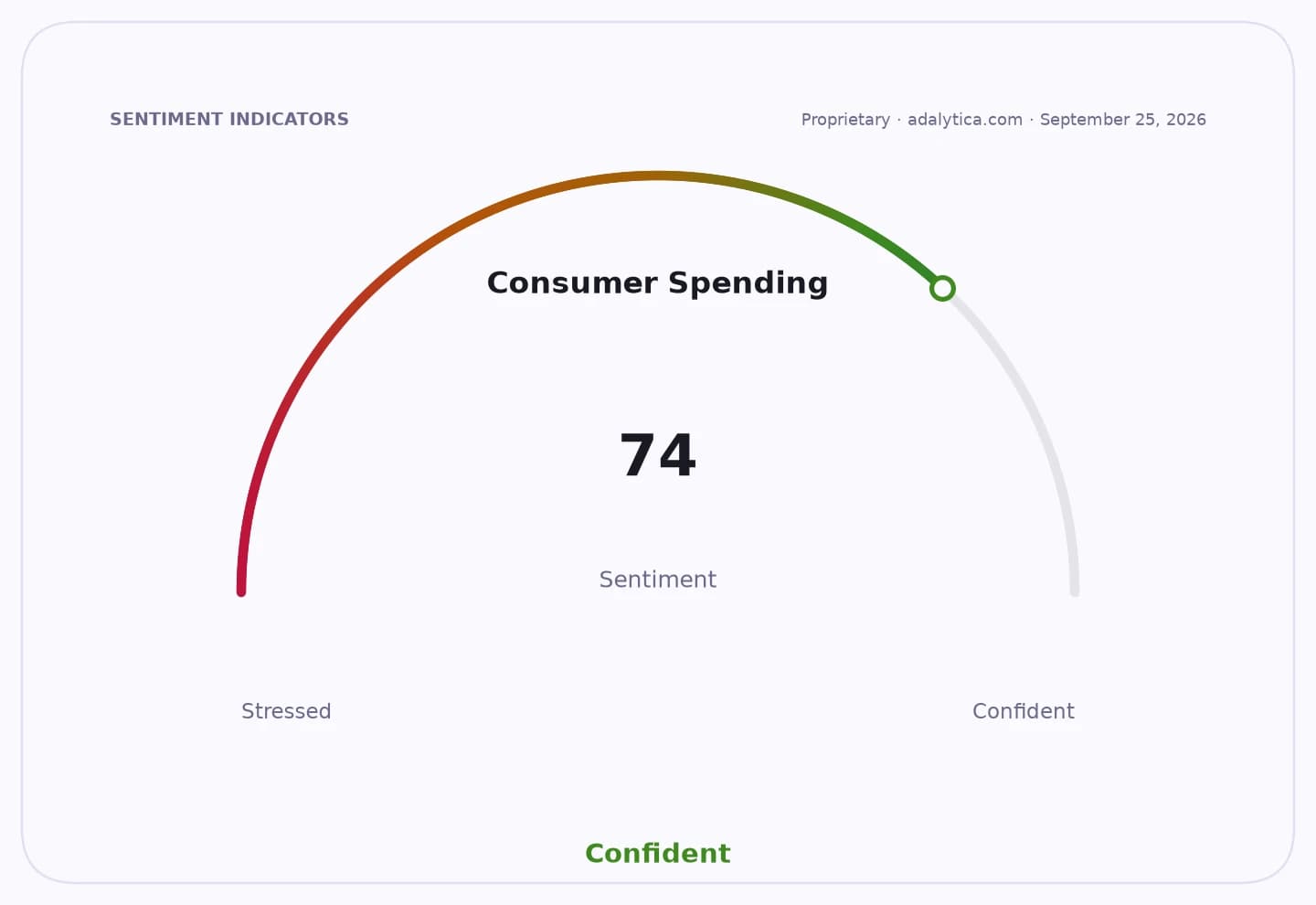
Germany’s new inflation fight is colliding with a weaker growth outlook, with markets and central banks signalling that 2026 is unlikely to deliver the broad-based expansion Friedrich Merz had hoped for. The message from rates, inflation expectations and risk assets is that the West may have stabilised prices only at the cost of a sluggish economy, forcing policymakers to keep borrowing costs restrictive for longer.
Germany inflation fight meets weaker 2026 growth outlook

That matters because the inflation problem is no longer a simple story of overheating demand that can be solved quickly with higher rates. In the US, consumer prices are forecast to rise 0.89% in July after a flat June, while unemployment is seen easing only marginally to 4.18%, a combination that points to sticky inflation rather than an imminent soft landing. The 10-year Treasury yield has climbed to 4.68%, reflecting investors’ expectation that policy rates will stay elevated and that fiscal and wage pressures remain embedded in the system.
The bond market is already pricing that reality into growth-sensitive assets. TLT, the long-duration US Treasury ETF, has slipped to 82.25 from 84.24 three sessions earlier, while its 50-day moving average stands above the current price, a conventional technical sign that longer-dated bonds are under pressure. The move suggests investors are still demanding a higher term premium for holding government debt, which raises financing costs across the economy and limits the scope for a rapid easing cycle.
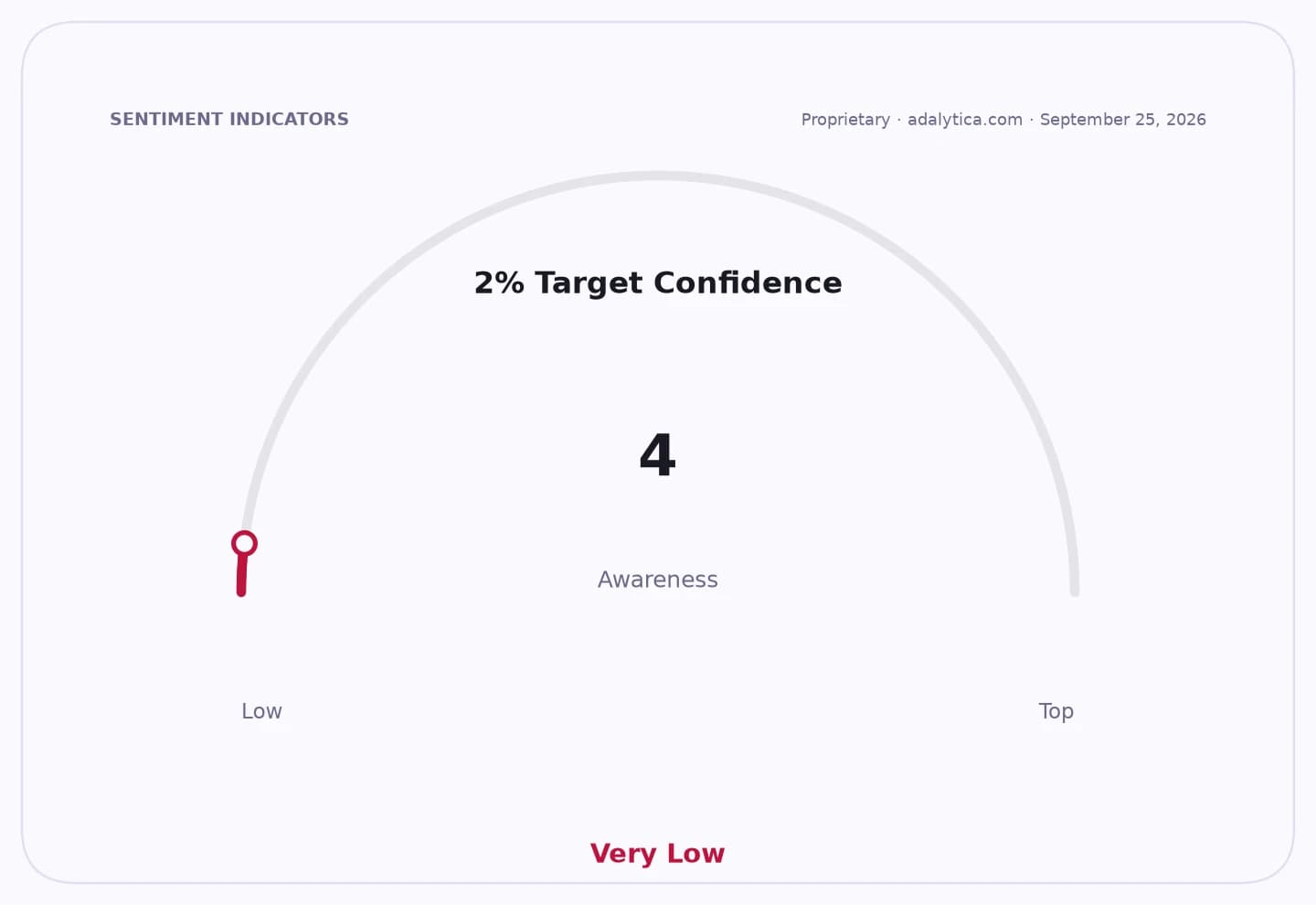
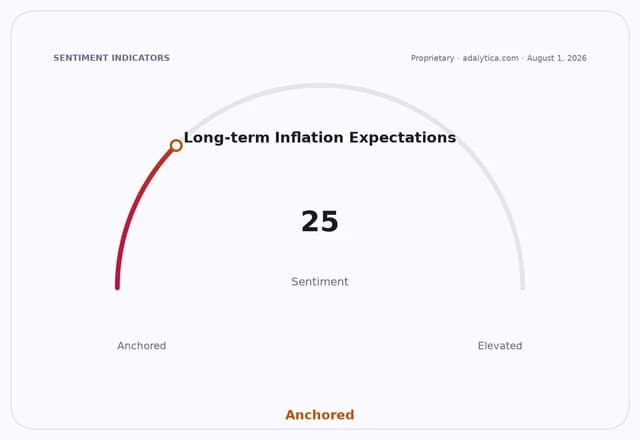
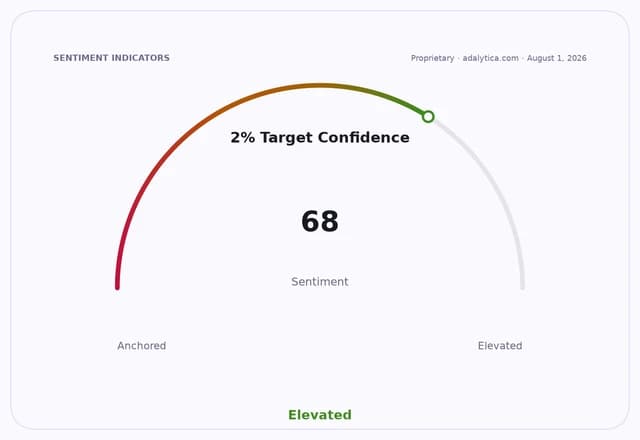
Inflation expectations are also refusing to retreat cleanly. Adalytica’s INFL2 gauge of confidence in the Fed’s 2% target stands at 68, a neutral reading but one that has shown significant volatility in recent weeks. Long-term inflation expectations and five-year breakevens both sit in a fear zone at 25, even after a one-day rebound, underscoring how fragile conviction remains that price pressures will stay anchored. Wage inflation sentiment, meanwhile, is only neutral at 32, but with awareness at an extreme 86, indicating that labor-cost risks remain a dominant market concern.
2% Target Confidence — 30-day sentimentadalytica.com
Explore this data interactively — full history, time series and cross-market comparisons.Open AlphaPulse
That is a problem for policymakers in both Europe and the US. The Bank of England is expected to keep rates unchanged for the rest of the year, the Fed is widely seen on hold, and the European Central Bank is still leaning toward another hike. The common thread is that central banks are reluctant to declare victory over inflation even as growth softens, because recent price stability has not fully removed the underlying risks from wages, war-related supply shocks and heavy public borrowing.
Gold’s retreat tells the other side of the story. GLD closed at 371.54, well below its 50-day average of 385.28 and its 200-day average of 411.86, suggesting some investors are reducing defensive hedges as immediate inflation panic fades. But that does not mean confidence in growth is strong. Rather, it implies the market is shifting from outright inflation fear toward a slower-growth, higher-for-longer environment in which real rates stay positive and cyclical assets struggle to re-rate.
For investors, the key issue is that lower inflation alone will not automatically restore growth. If disinflation comes alongside sticky policy rates, elevated bond yields and weak credit demand, the result is likely to be a flat earnings backdrop rather than the expansionary rebound that governments want. That leaves rate-sensitive sectors, long-duration equities and highly leveraged borrowers most exposed, while cash-rich firms and sectors with pricing power remain relatively better placed.
The next catalysts are the July inflation prints, the Fed’s communication on whether labor-market cooling is enough to justify cuts, and the ECB’s willingness to keep tightening if price pressures prove persistent. Until those questions resolve, Merz’s optimism about a growth-led 2026 looks increasingly out of step with the market’s view of a still-incomplete inflation fight.
| Entity | Gains | Losses |
|---|---|---|
| Bond bears | ▲Higher yields | ▼Long-duration debt holders |
| Central banks | ▲Credibility on inflation | ▼Growth momentum |
| Cash-rich firms | ▲Higher real returns | ▼Leveraged borrowers |
| Defensive assets | ▲Inflation hedge appeal | ▼Cyclical equities |