A German debt-collection executive is warning that leaving an invoice unpaid is not a minor delay but the start of a process that can quickly add fees, legal costs and credit damage, even as household payment stress edges higher in Europe’s biggest economy.
Germany payment stress rises as arrears increase
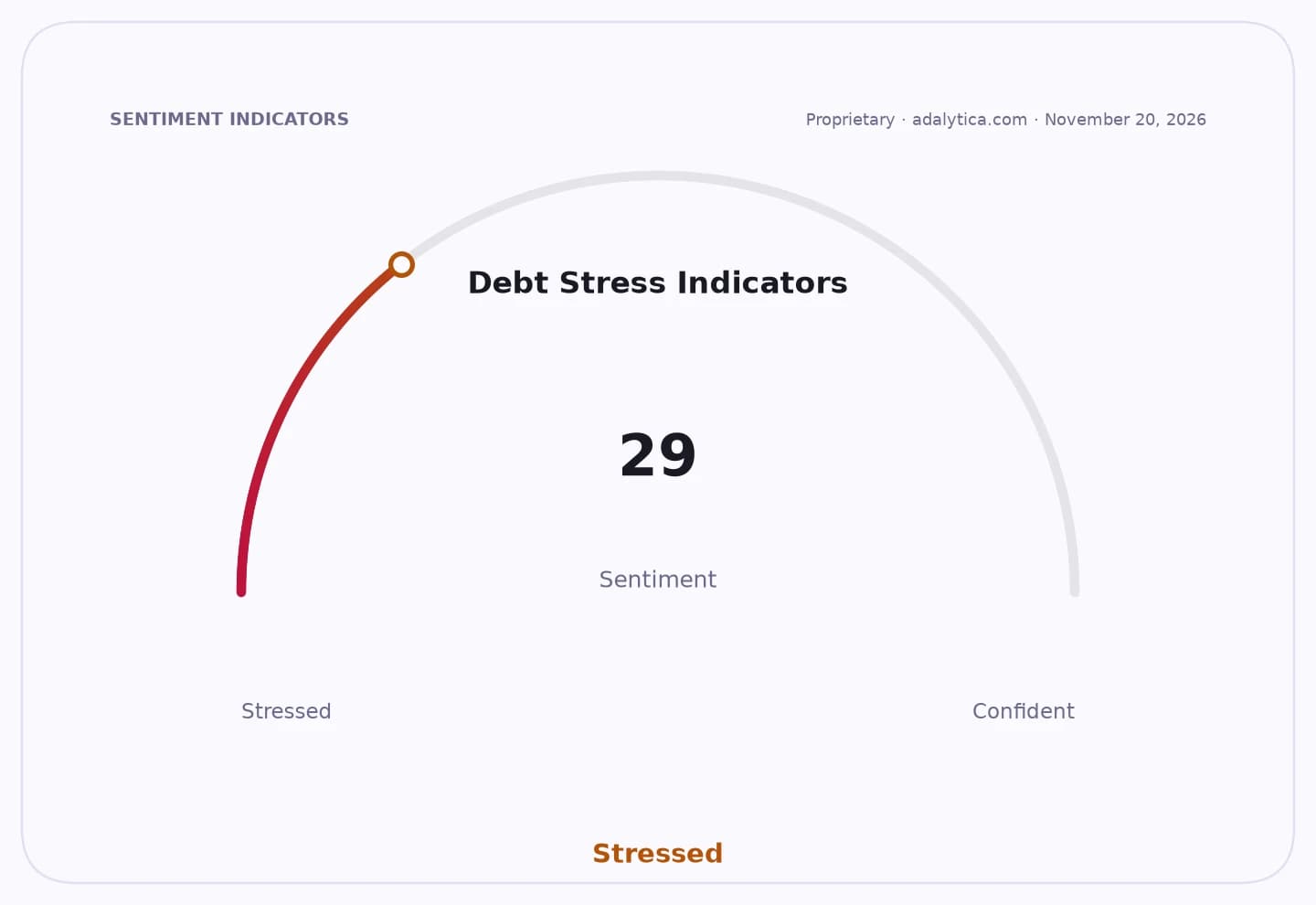
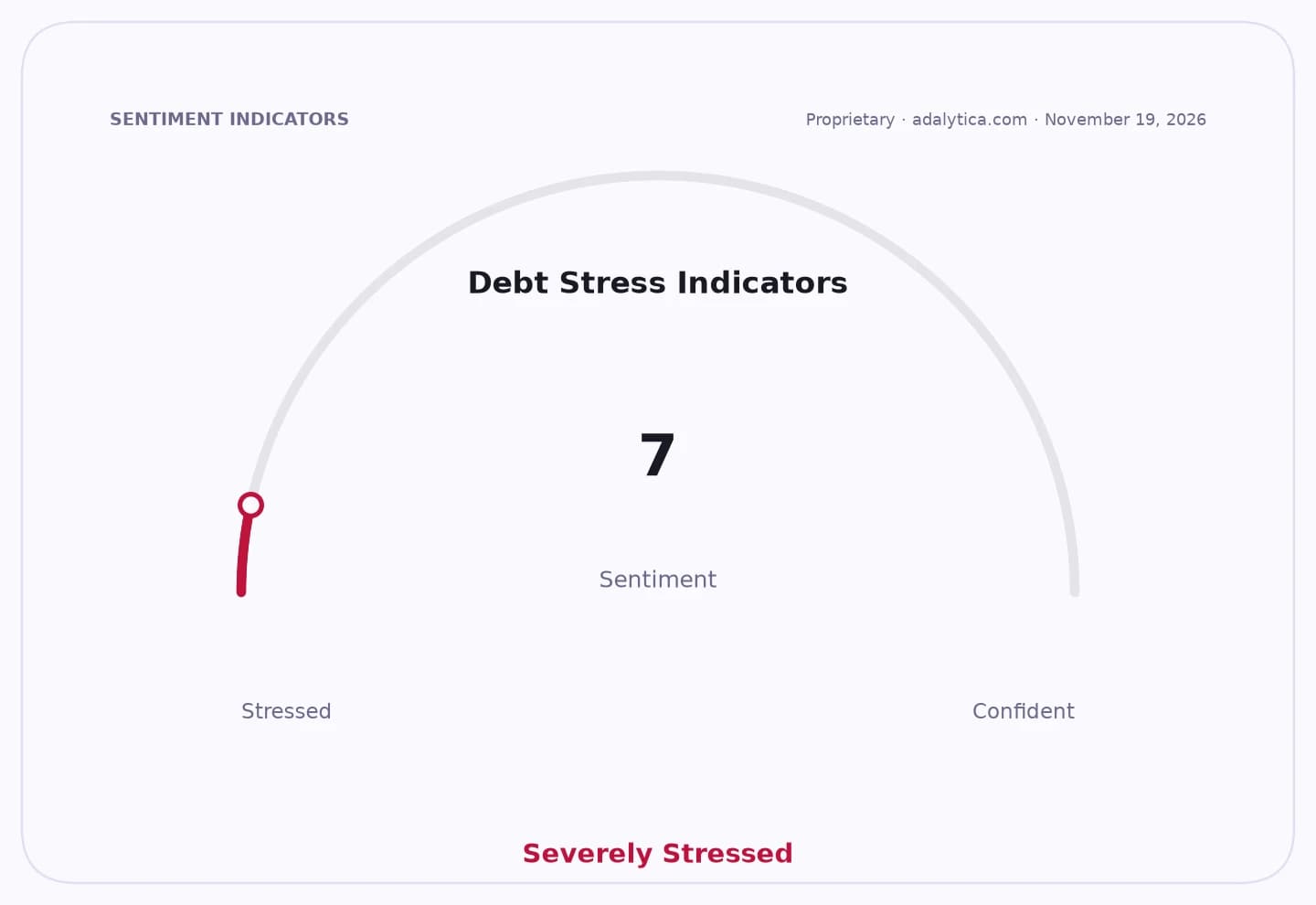
Sebastian Ludwig, managing director of Coeo Group, said in an interview that the average larger claim his firm handles is about 20,000 euros, while unpaid bills from energy suppliers have risen to around 800 euros from roughly 500 euros previously as higher living costs squeeze budgets. He said the share of adults with payment disruptions in Germany has climbed to 8.1% from 7.9% a year earlier, a sign that financial pressure is building even if the situation is not yet as severe as in past downturns.
Sentiment Indicators
The stakes matter because missed payments do not just hit individual households. Rising arrears feed through to utilities, lenders and retailers, raising collection costs and weakening cash flow across the consumer economy. Ludwig said the main driver is not excessive spending but faster increases in housing, energy and financing costs than wages, a pattern that leaves even higher-income households vulnerable.
For investors, the message is two-sided. On one hand, more late payments can support demand for debt-collection services and improve volumes for firms such as Coeo. On the other, it signals more strain on consumer credit quality, a risk for lenders, card issuers, buy-now-pay-later providers and retailers that rely on installment sales to support spending.
Ludwig also pushed back against the idea that BNPL is now a major debt trap, arguing that large providers already run credit checks and that rules taking effect on Nov. 20 will require external credit checks even for small-ticket loans and zero-interest financing. He said that should reduce bad debts and force weaker borrowers out earlier, improving recovery rates for collectors while lowering default risk for providers.
The warning fits a broader trend across Germany and much of Europe: fixed costs remain sticky while disposable income growth lags, pushing more consumers into arrears. The next test will come as the BNPL rules tighten and households face another round of utility and financing bills, which could reveal whether the recent rise in missed payments is a temporary wobble or the start of a more persistent stress cycle.
| Entity | Gains | Losses |
|---|---|---|
| Debt collectors | ▲Higher recovery volumes | ▼More distressed consumers |
| BNPL providers | ▲Better credit screening | ▼Fewer approvals |
| Utilities and lenders | ▲Earlier payment discipline | ▼Higher collection burden |
| German households | ▲More oversight and guardrails | ▼Tighter access to short-term credit |