Household arrears on housing and communal services are becoming harder to manage because the bill can grow faster than a family’s cash flow, leaving consumers exposed to penalties, service cuts and court claims unless they challenge the charges quickly and seek repayment terms.
Household utility arrears, penalties, and repayment rules
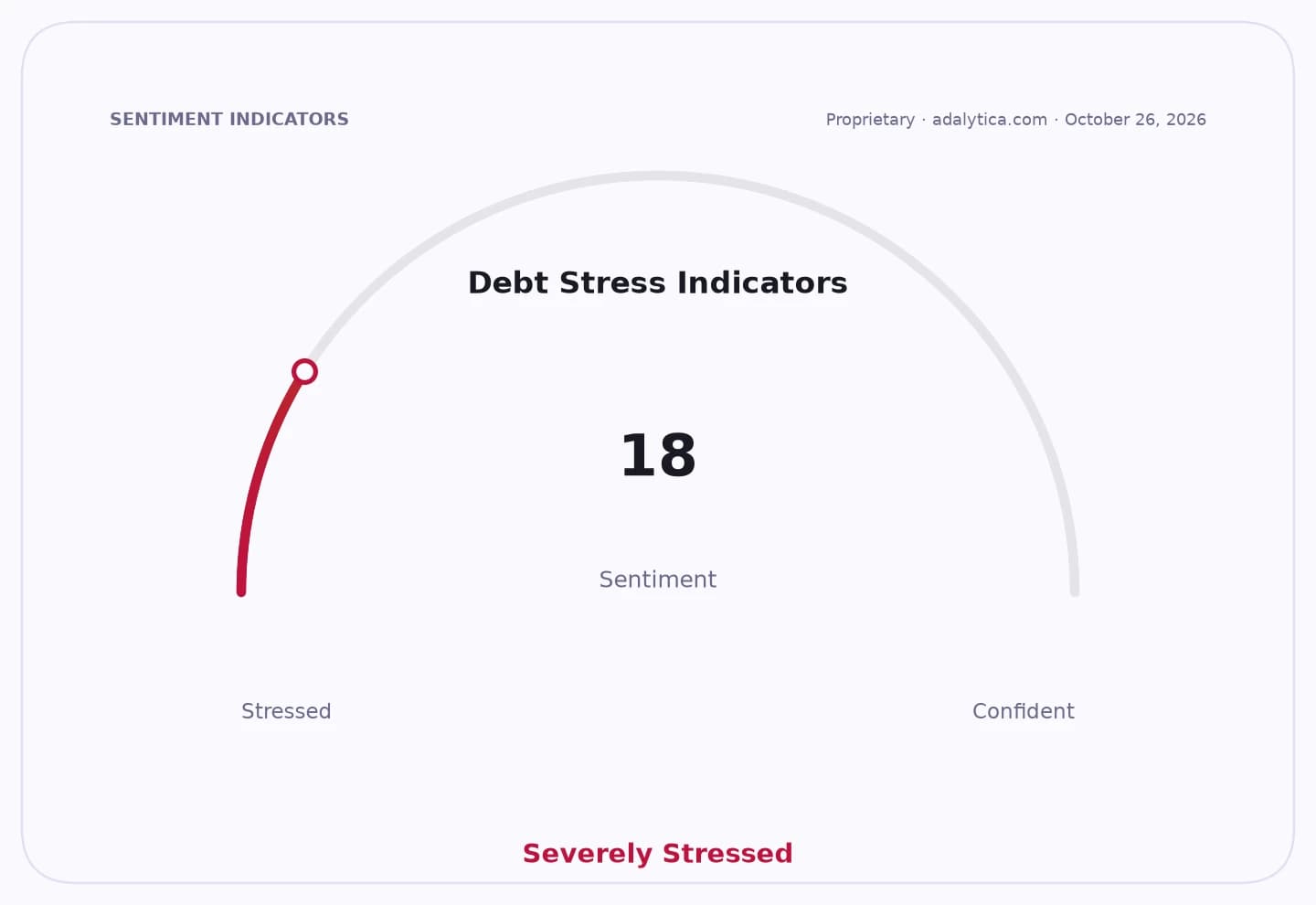
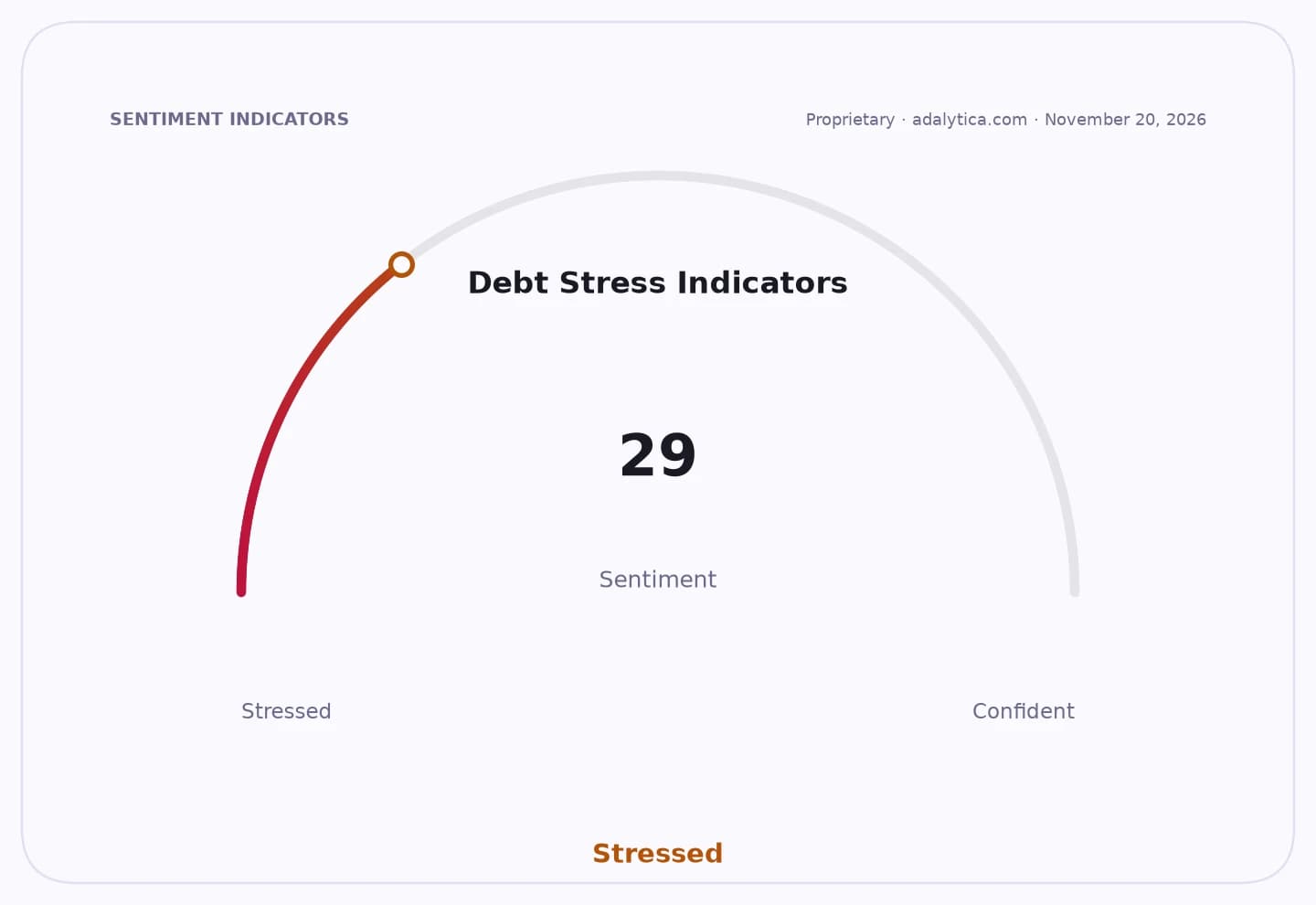
Debt Stress Indicators
That matters economically because utility debt is not just a household budgeting problem: it affects payment discipline across the housing-services chain, from management companies and landlords to power and water suppliers that depend on steady collections to fund maintenance, wages and network repairs. When arrears rise, providers face a larger working-capital squeeze, while local authorities and courts see more disputes over billing, penalties and subsidies.
Sentiment Indicators
The practical response starts with verifying the debt month by month rather than accepting the total in a single bill. The first step is to demand a detailed calculation from the entity that issued the invoice — whether that is a managing company, homeowners’ association, cooperative or direct resource supplier — and reconcile it against receipts, bank transfers and meter readings. Mistakes can be challenged, and only the confirmed amount should form the basis of any repayment plan. If a payment was not credited, proof from a receipt or bank statement can be attached to the claim.
The stakes are rising as household budgets remain under pressure from broader price growth. U.S. consumer prices were last reported at 337.476 in October and are forecast to edge up again in November, while unemployment held near 4.1%, a combination that leaves many families employed but still stretched. In that setting, utility bills are often among the most rigid monthly obligations, making even modest tariff increases or missed meter submissions enough to trigger a debt spiral.
Russian rules give consumers several defenses, but they are limited and procedural. Recalculation is possible if the original data were wrong or if service quality fell below standards, including interruptions beyond allowable limits. Temporary absence from the home does not automatically suspend charges; heating and housing-maintenance fees continue to accrue in many cases. A family that believes it overpaid for hot water, for example, needs an inspection report or a recorded complaint to support a refund claim.
Late payment is costly. Under the housing code, penalties begin to accrue from the 31st day after the deadline and rise after 90 days, with the payment deadline itself being pushed to the 15th of the following month from March 2026. That makes timing critical: consumers need to know when the arrears started, how much remains unpaid after partial payments and whether old charges may already be outside the three-year limitation period.
Disconnections are also a meaningful threat. The rules allow some services to be restricted after notice, typically giving the debtor 20 days to clear the arrears, but heating and cold water cannot be cut off in an apartment building. For investors and creditors, that means collection risk is real but not unlimited: the system is designed to preserve basic habitability while still forcing payment.
For households, the key question is whether the debt is disputed, payable in installments or already headed for court. Where the amount is confirmed, a written repayment schedule can be proposed to the creditor, and in specific cases a large year-on-year increase of more than 25% in a single utility bill can trigger a mandatory 12-month installment offer. If the issue has reached litigation, consumers may still invoke the statute of limitations, contest a court order within 10 days or ask for deferred execution if they cannot pay immediately.
Subsidies may help, but they do not erase arrears. Eligibility depends on regional thresholds and income-based rules, and an unpaid debt confirmed by a court decision within the last three years can block support. That makes the legal status of the debt as important as the amount itself.
The broader narrative is one of affordability strain meeting a legal framework that pushes households to document, dispute and negotiate rather than simply defer payment. For lenders, utilities and municipal service providers, the risk is a slow deterioration in collections and a higher burden on enforcement. For households, the best outcome is to separate disputed charges from confirmed debt, preserve evidence and act before penalties and court actions compound the balance.
| Entity | Gains | Losses |
|---|---|---|
| Households with disputed bills | ▲Can challenge errors | ▼Face penalties and cuts if inactive |
| Utilities and managers | ▲Recover confirmed arrears | ▼Higher collection and dispute costs |
| Courts and regulators | ▲Clearer documentation | ▼More claims and enforcement cases |
| Low-income applicants | ▲May qualify for subsidies | ▼Can be blocked by court-confirmed debt |