Germany’s retirees and retired civil servants are set for a pension increase in 2026, but the bigger market-moving story is that the pay raise lands amid a political fight over how to finance an aging society without blowing out the state’s long-term obligations.
Germany Pension Increase in 2026 Raises Fiscal Pressure
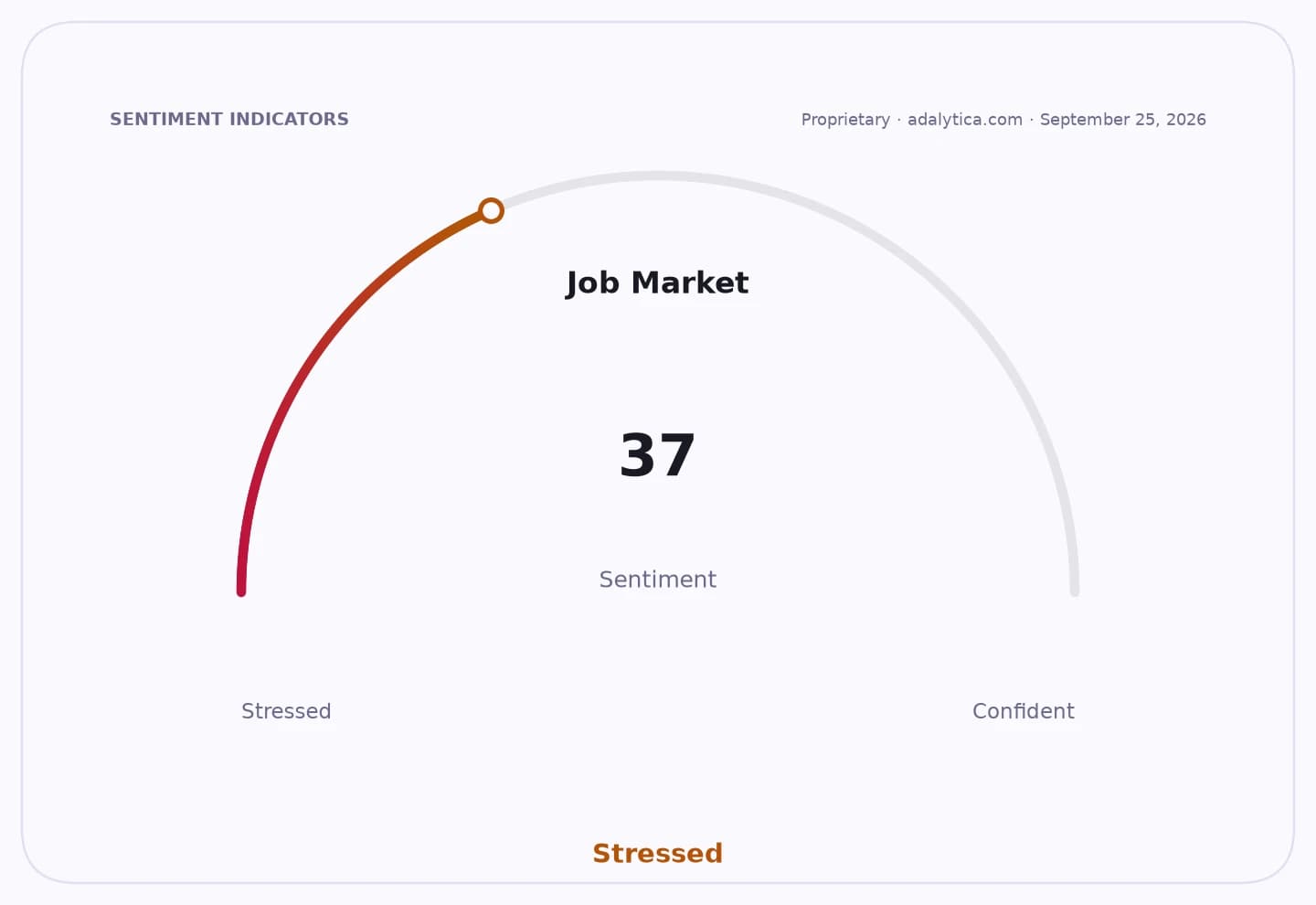
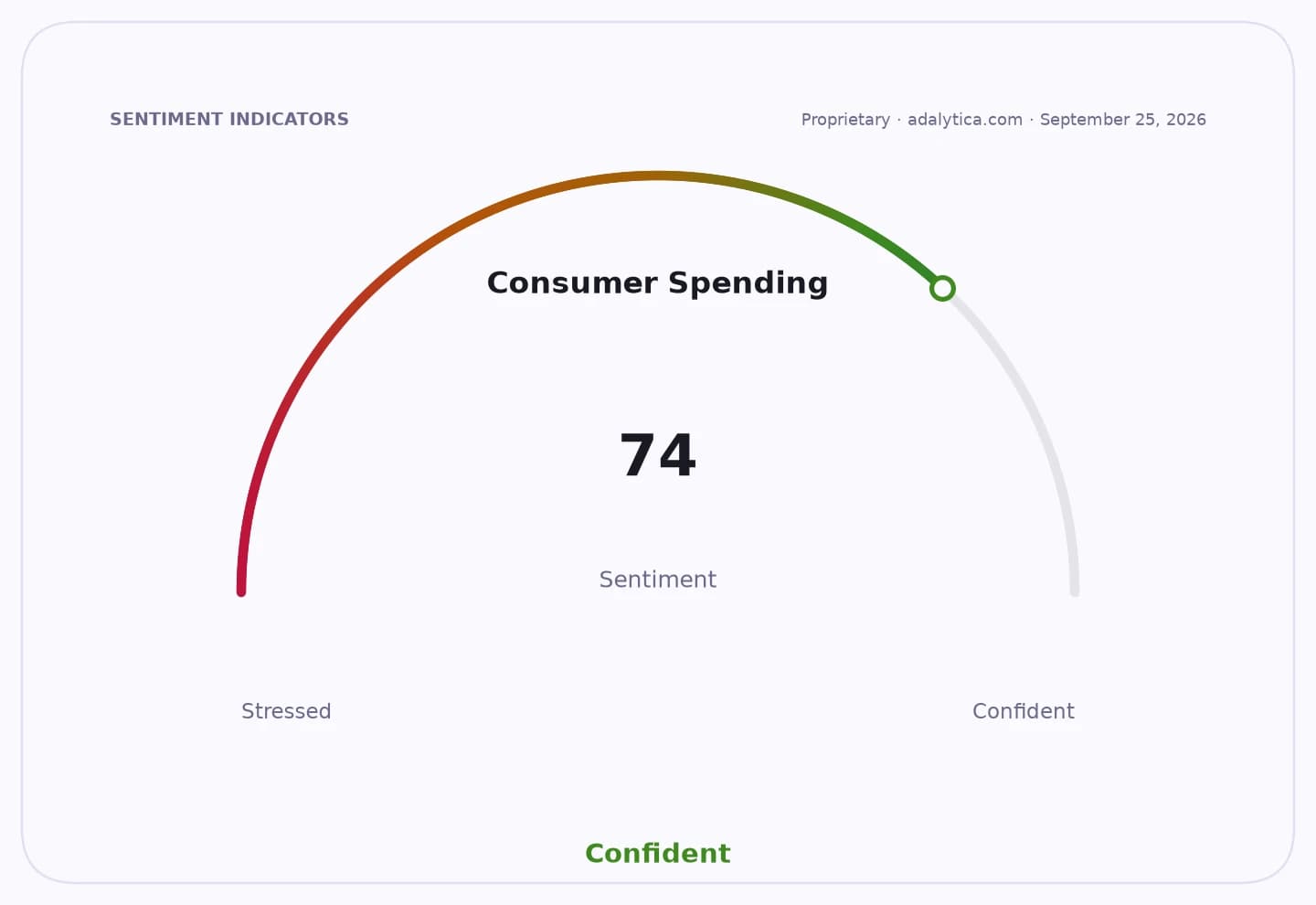
The increase will support household income for millions of pensioners at a time when inflation remains sticky and the labor market is cooling only gradually. Consumer prices were still running above pre-pandemic norms, with the latest CPI reading at 332.6 and a July forecast of 335.5, while unemployment has edged down to 4.2%, leaving Berlin with limited room to absorb higher social spending without a broader fiscal rethink.
That is why the pension decision matters far beyond retirees’ wallets. Germany is already wrestling with the cost of keeping its pay-as-you-go system intact as the workforce shrinks relative to the number of beneficiaries. Every added euro in benefits improves near-term purchasing power and helps shield consumption, but it also raises the bill for employers, taxpayers and the federal budget. For investors, that means the pension package is not just a social-policy headline — it is a signal about the scale of Germany’s fiscal commitments in the years ahead.
The coalition dispute over the so-called “pension at 63” underscores the risk. DIW President Marcel Fratzscher has warned the reform will fail without scrapping the early-retirement option, while CSU chief Markus Söder has cast doubt on the package’s viability. That tension matters because the pension system’s arithmetic depends on keeping more people in work for longer. If early retirement stays generous, wage growth, labor supply and contribution revenues all come under pressure just as spending rises.
For markets, the implications are clearest in German bonds, domestically exposed equities and the broader European debate over fiscal discipline. More pension spending can support retail demand and some defensive sectors in the short run, but it also leaves less room for tax relief, investment incentives and industrial policy. The best-positioned beneficiaries are consumer staples, healthcare and utilities with steady domestic demand. The losers are taxpayers, younger workers and policymakers trying to fund defense, infrastructure and energy transition priorities at the same time.
Our view is that the market underestimates how quickly pension politics can turn into a fiscal constraint story. The raise itself is not the shock; the real issue is whether Germany can keep promising more to retirees while asking the labor market to carry the load. If coalition tensions deepen, expect more volatility in German domestic policy bets and renewed scrutiny of sectors tied to public spending, labor costs and long-duration government borrowing. For investors, the trade is to favor companies with pricing power and limited dependence on future German fiscal expansion.
| Entity | Gains | Losses |
|---|---|---|
| Retirees | ▲Higher income | ▼None near term |
| Retired civil servants | ▲Better benefit levels | ▼Fiscal backlash risk |
| Taxpayers / workers | ▲— | ▼Higher contribution burden |
| German bonds | ▲Short-term safe-haven demand | ▼Bigger fiscal supply risk |