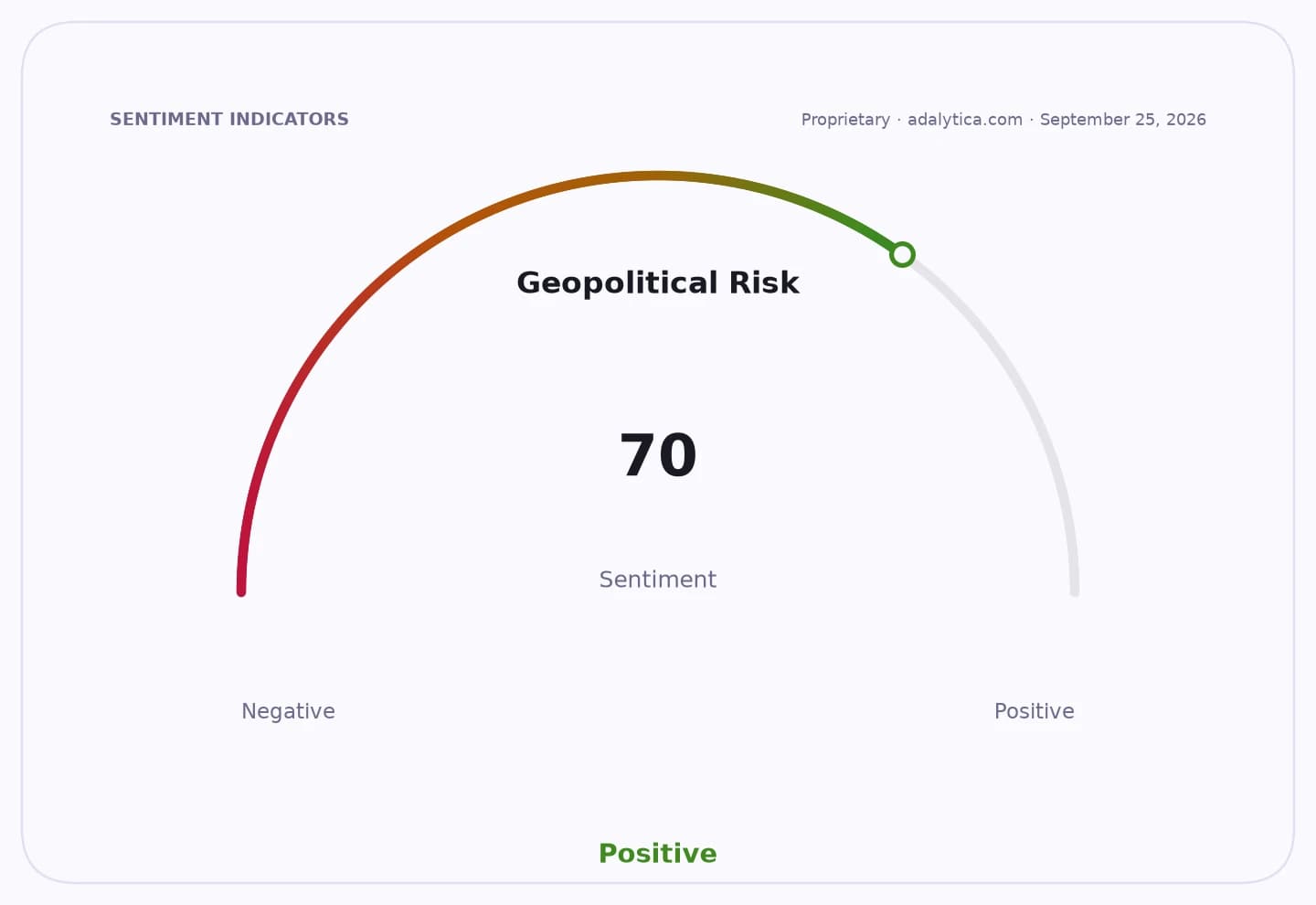
The Ghana cedi’s latest appreciation against the U.S. dollar is more than a short-term currency move — it is a welcome macro break that could ease imported inflation, lower pressure on government debt service and improve sentiment toward Ghanaian assets.
Ghana cedi rises as USD/GHS falls to 11.0
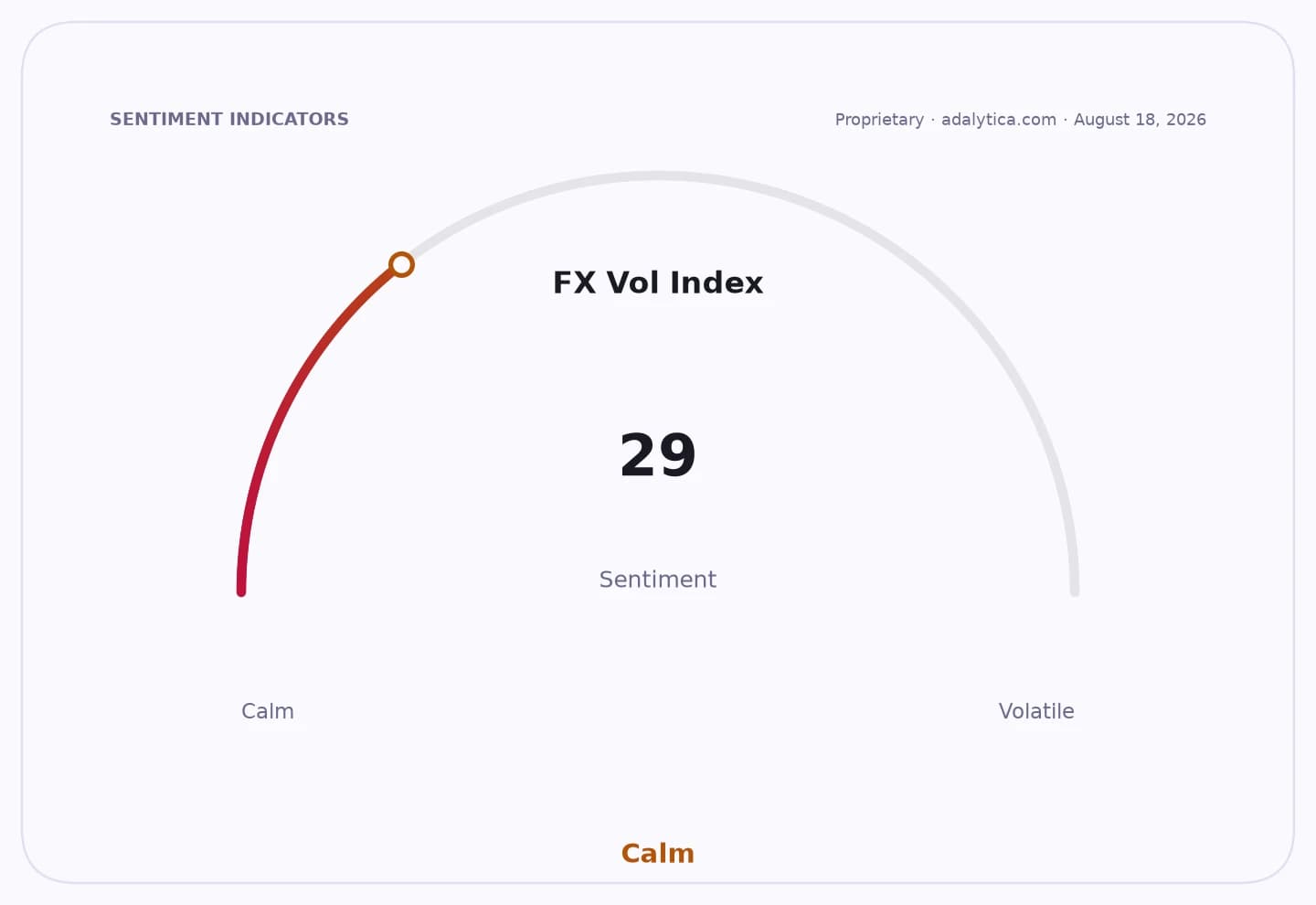
The dollar’s slide is part of the backdrop, with Adalytica’s U.S. dollar trade signals showing extreme fear even as awareness remains elevated, a combination that often leaves the greenback vulnerable to sharp retrenchment. For Ghana, that matters because a stronger cedi directly reduces the local-currency cost of fuel, food, machinery and debt repayments linked to foreign exchange. In an economy still sensitive to imported prices and external funding conditions, every incremental gain in the currency can feed through quickly to inflation expectations and policy credibility.
Sentiment IndicatorsⓘProprietary · adalytica.com · August 18, 2026
This is a snapshot — live sentiment, awareness and momentum for 130+ markets update continuously in the dashboard.Open AlphaPulse
On the market tape, USD/GHS was last around 11.0 on Aug. 18, down from 11.15 four days earlier and 11.44 in mid-July, showing that the cedi has extended its recovery even after bouts of volatility. The pair is now hovering near its 50-day moving average, while the relative strength index has fallen to 22.6, a conventional technical reading that suggests the recent move has been fast and oversold rather than orderly. That tells investors the rally may still be fragile, but it also underscores how much short-covering and position adjustment may still be unwinding.
For the Bank of Ghana and the finance ministry, the direction of travel is what counts. A firmer cedi can buy time against inflation stickiness and ease one of the biggest transmission channels from global markets into domestic prices. It also improves the optics around external balances and debt sustainability at a moment when emerging-market capital remains highly selective and investors are hunting for countries that can credibly defend macro stability.
That is why this move matters beyond currency traders. If the cedi can hold these gains, Ghanaian equities, local bonds and banks with currency-sensitive balance sheets all stand to benefit from a better inflation and rate backdrop. Importers should see relief first, but the real opportunity is for investors who understand that a stabilizing currency can become a self-reinforcing macro trade: lower inflation, softer policy pressure, improved confidence and, eventually, a rerating of domestic assets.
The key risk is that this remains a relief rally rather than a durable regime change. But if dollar weakness persists and Ghana sustains the cedi’s rebound, the market may be underestimating how quickly a stronger currency can reshape the investment case for the country.
| Entity | Gains | Losses |
|---|---|---|
| Ghana cedi | ▲Stronger purchasing power | ▼Less immediate pressure if rally fades |
| Bank of Ghana | ▲Easier inflation management | ▼Less room if FX weakness returns |
| Ghanaian importers | ▲Lower input costs | ▼Exporters with dollar revenue |
| U.S. dollar | ▲— | ▼Near-term defensive positioning |