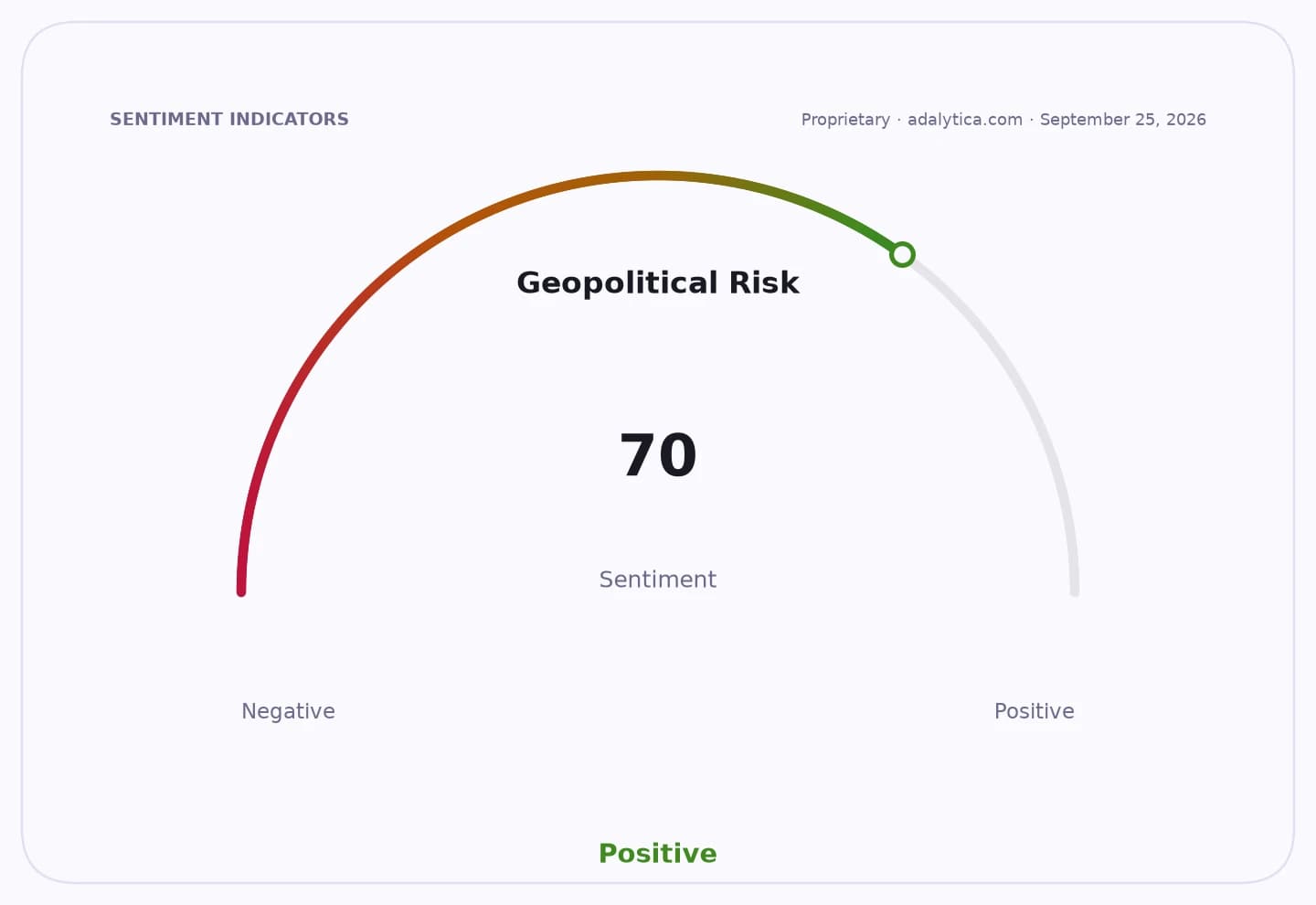
Ghana’s building-cost inflation has edged up to 3.1%, a reminder that price pressures in the construction sector are proving stubborn even as monthly costs have fallen, a mix that matters for housing supply, public works and the country’s broader inflation path.
Ghana Construction Costs Tick Higher Yearly
The key takeaway is not the modest headline rate itself, but the divergence beneath it. Falling month-to-month prices suggest some relief in imported materials and near-term input costs, yet the annual pace still ticked higher, showing that builders are not yet getting a durable break. For an economy already wrestling with budget discipline and fragile investor confidence, sticky construction inflation can keep projects expensive, delay completion timelines and complicate the government’s ability to revive infrastructure spending without widening fiscal strain.
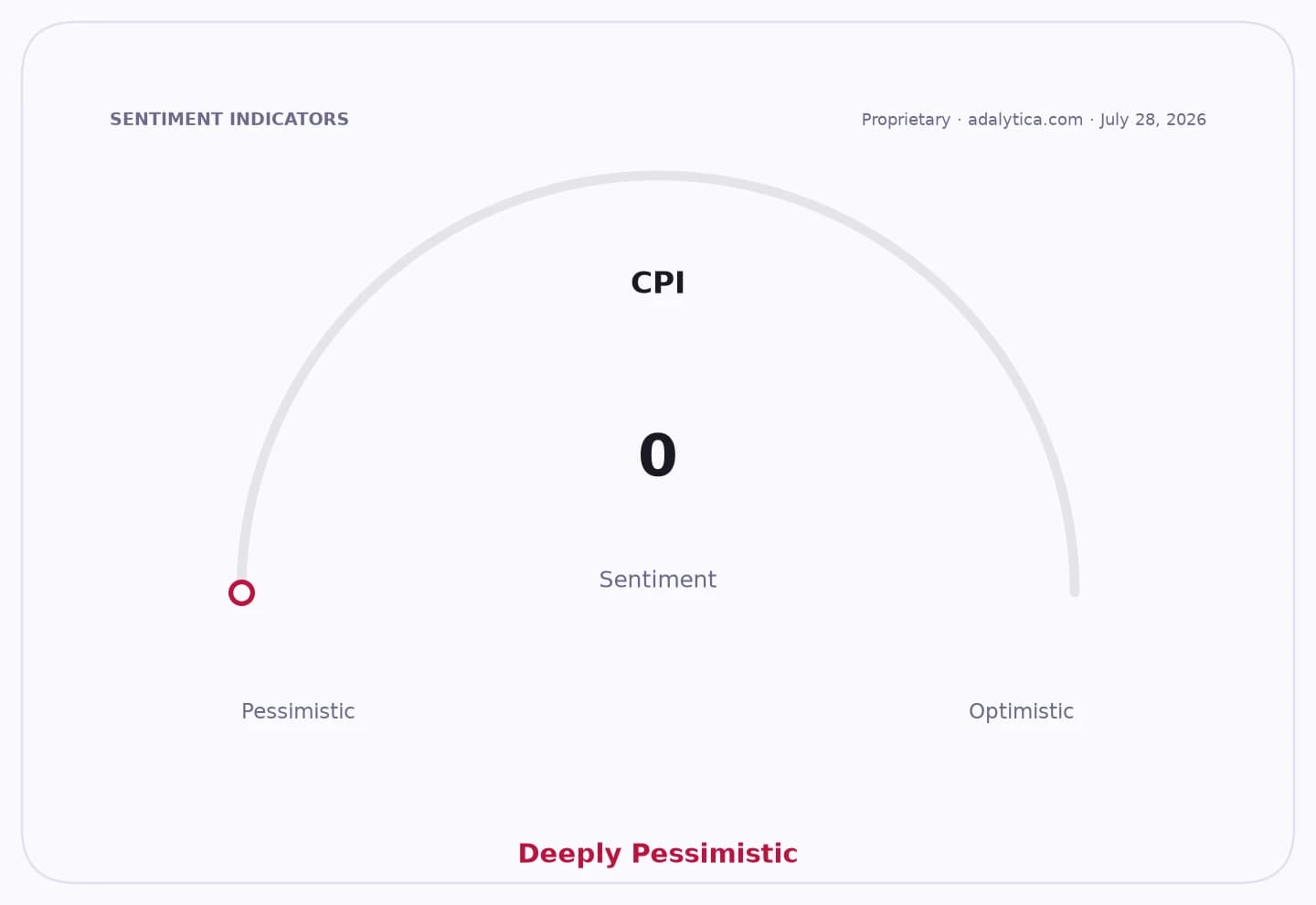
Sentiment IndicatorsⓘProprietary · adalytica.com · July 28, 2026
This is a snapshot — live sentiment, awareness and momentum for 130+ markets update continuously in the dashboard.Open AlphaPulse
That matters because construction is one of the fastest ways inflation feeds into the real economy. Cement, steel, fuel, transport and financing costs all ripple through housing, roads and commercial development, so even a small uptick in annual building inflation can choke project pipelines and squeeze margins for contractors. In a country where public investment is central to growth, the fact that prices are easing only monthly, not decisively on a yearly basis, suggests the sector is still operating under a cost regime that discourages rapid expansion.
For investors, the message is twofold. First, local developers and contractors are still exposed to margin pressure if material costs remain volatile and financing stays tight. Second, the persistence of construction inflation keeps alive the case for businesses that supply lower-cost building inputs, logistics, and energy-efficient or locally sourced materials. In markets like Ghana, the winners are often the firms that reduce import dependence and sit on the critical path of infrastructure spending.
The broader macro narrative is one of incomplete disinflation. If construction costs are still rising annually despite softer monthly prints, policymakers cannot assume price pressures have been broken. That makes the inflation outlook more delicate, especially for a government trying to restore credibility through tighter fiscal management. For investors, the opportunity is to position ahead of a likely split: companies tied to imported, rate-sensitive construction demand may stay under pressure, while domestic suppliers with pricing power and lean balance sheets could become the hidden beneficiaries of a slow, uneven recovery.
| Entity | Gains | Losses |
|---|---|---|
| Local material suppliers | ▲steadier demand | ▼import-linked rivals |
| Contractors | ▲short-term input relief | ▼margin pressure |
| Government | ▲lower monthly cost trend | ▼project overruns |
| Housing buyers | ▲slower monthly inflation | ▼higher annual build costs |