Ghana is being presented with a gold-fuelled economic miracle, but the windfall from record prices and informal mining is also masking deeper fiscal and institutional strain.
Ghana gold boom masks fiscal strain
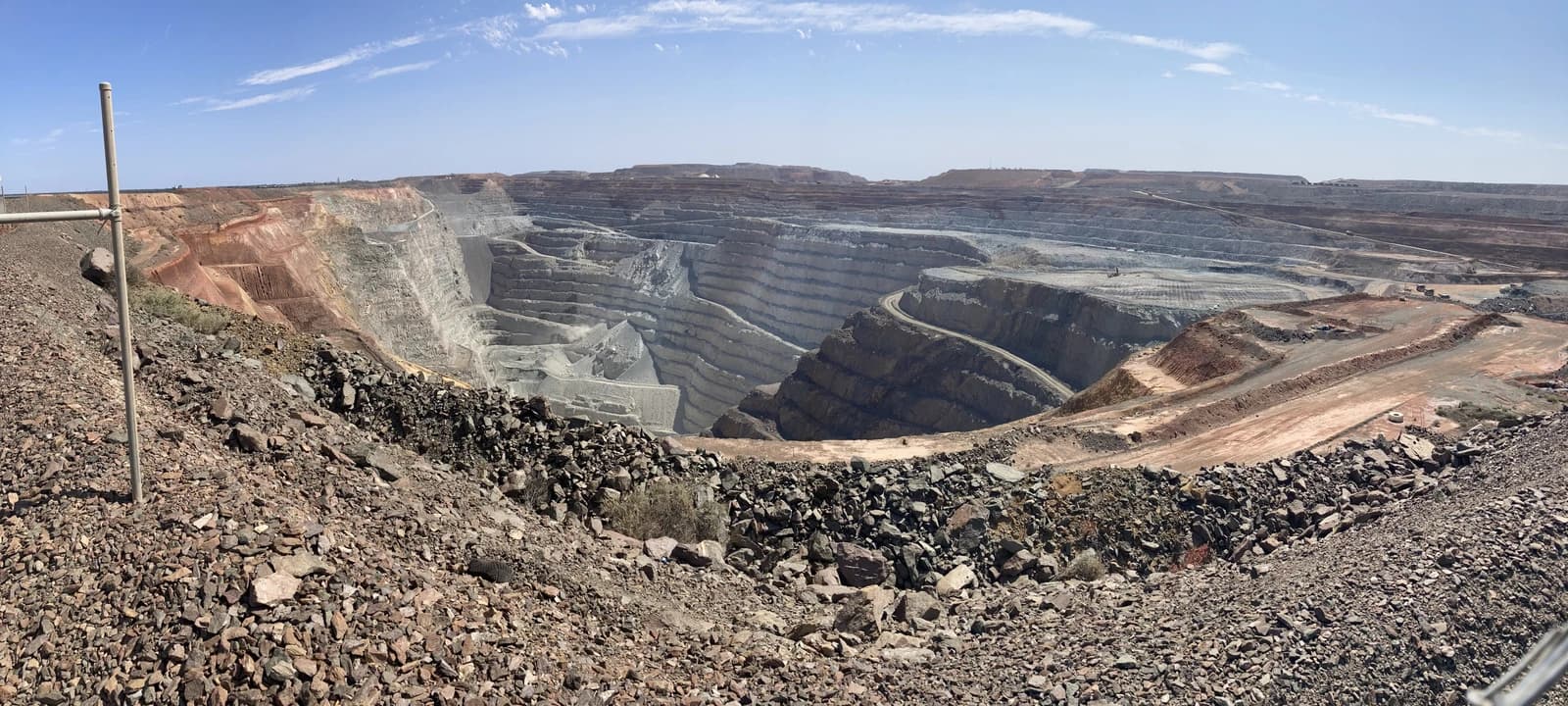
The country’s gold sector is benefiting from a global rally that has lifted the metal to record levels, while local output has been buoyed by galamsey, the illegal small-scale mining that has long distorted production figures and inflicted environmental damage. At the same time, unpaid government bills and other liabilities have continued to hang over the economy, raising questions about how much of the apparent gains are truly sustainable.
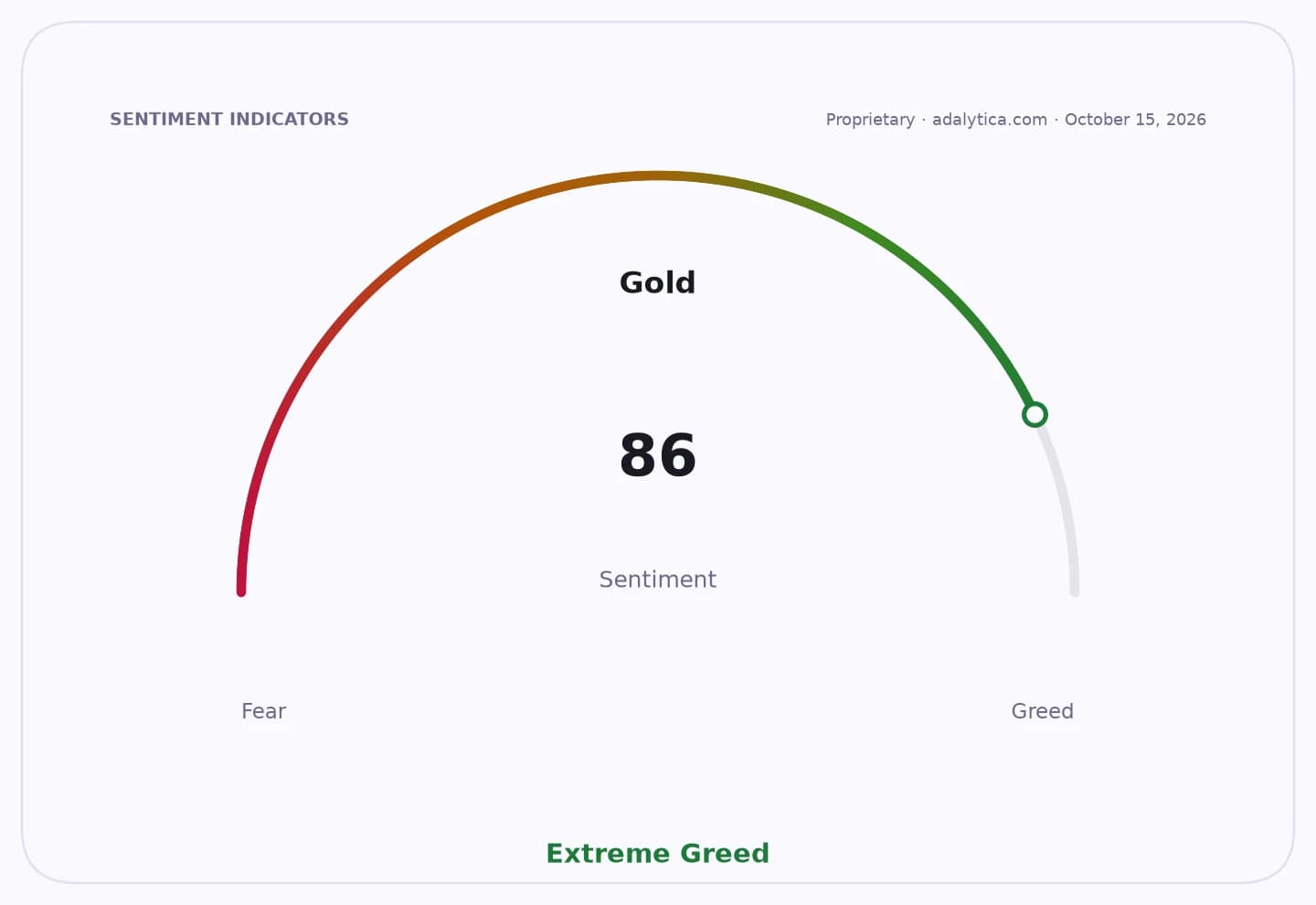
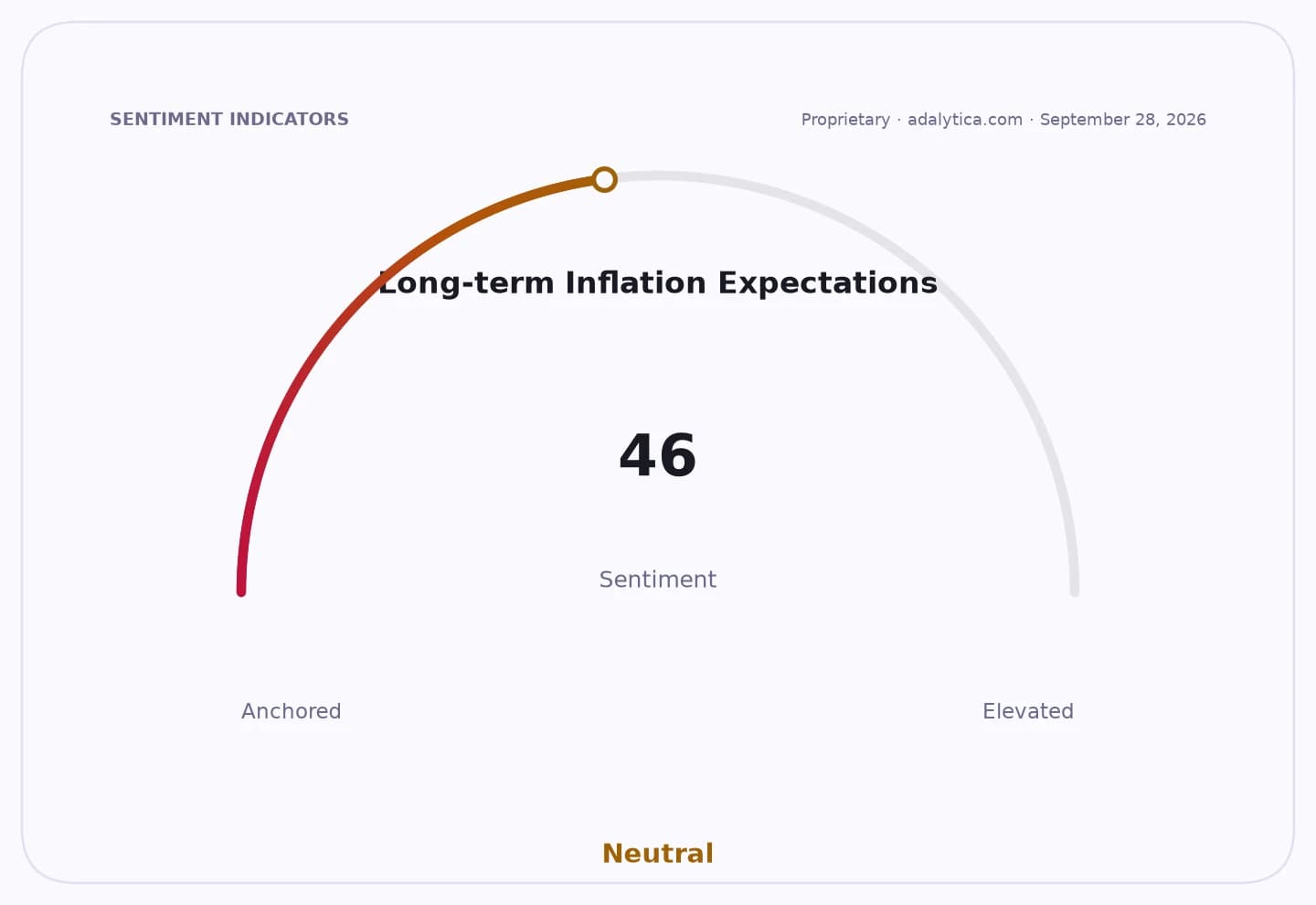
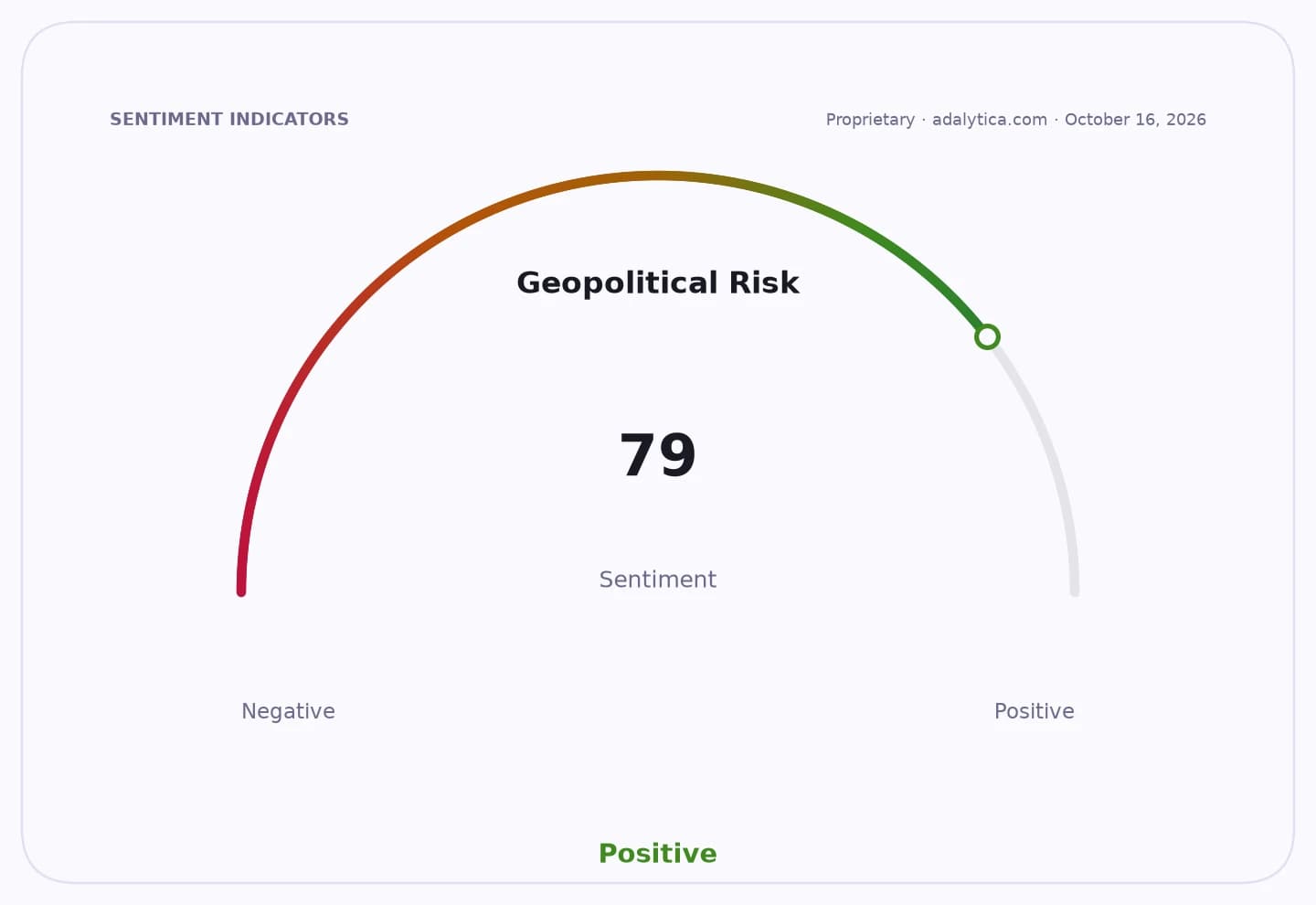
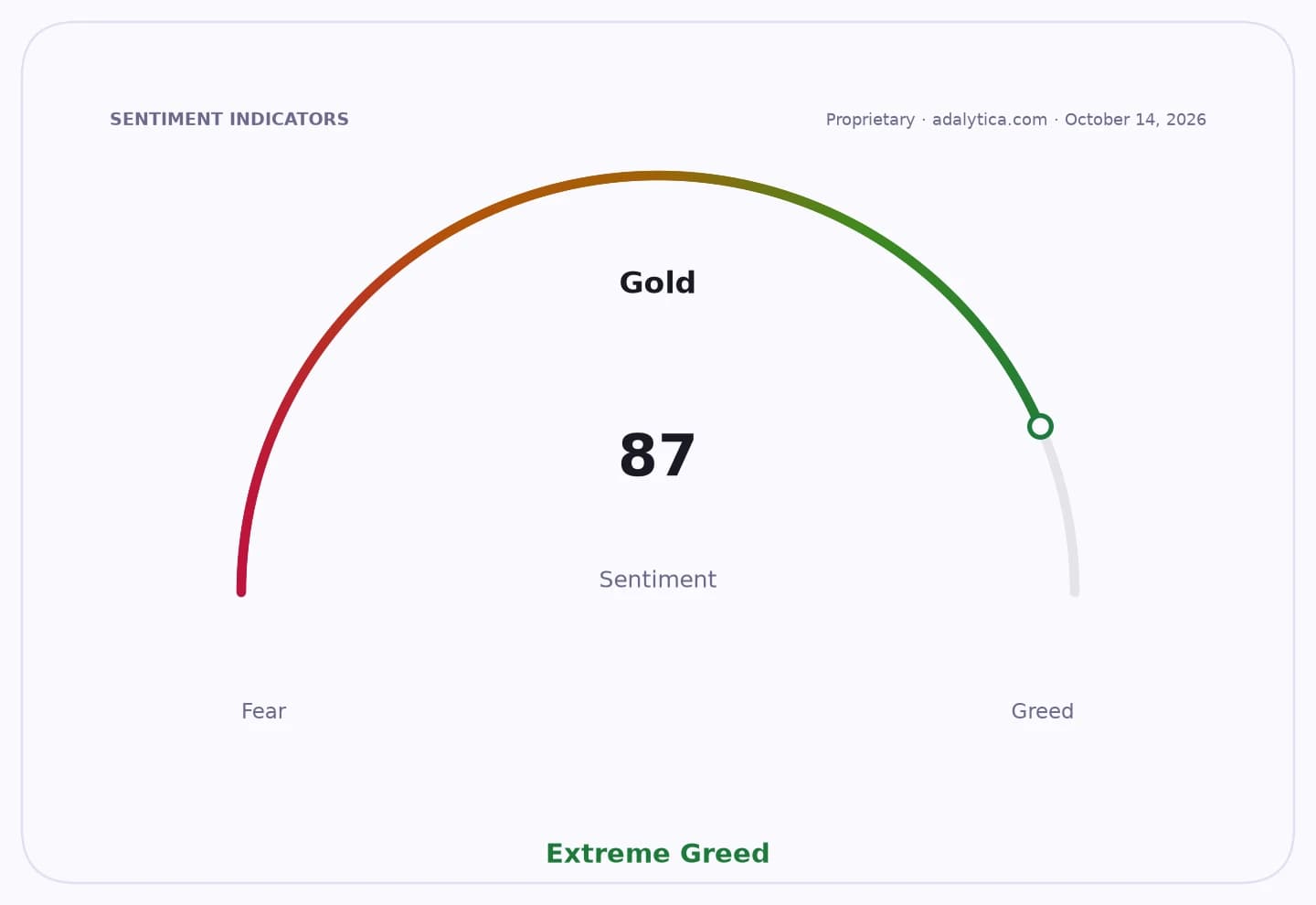
Sentiment IndicatorsⓘProprietary · adalytica.com · October 14, 2026
This is a snapshot — live sentiment, awareness and momentum for 130+ markets update continuously in the dashboard.Open AlphaPulse
The macro backdrop matters because gold is now doing double duty for Ghana: as a source of export earnings and as a political narrative of recovery. With gold prices near historic highs, official inflows can look far healthier than the underlying economy, especially when illegal production is part of the mix. That creates the appearance of resilience even as it risks hollowing out the state’s revenue base, weakening regulatory control and leaving future cleanup costs to taxpayers.
The market signal from the metal itself underlines the strength of the cycle. In recent trading, the SPDR Gold Trust, a proxy for bullion, traded around $381.67, well above its 50-day average of $397.44 after a steep correction from earlier highs, while the S&P Global Gold Miners ETF closed at $87.24. Both have been volatile, but the broader message is that investors are still treating gold as a store of value in a climate of geopolitical unease and uneven confidence in fiat currencies. Adalytica’s Gold Fear & Greed Index sat at 87, or “Extreme Greed,” while its US dollar trade signals showed declining awareness, consistent with a market that is still pricing in a strong gold backdrop.
For Ghana, that external support is economically significant but politically dangerous. A higher gold price can strengthen the trade balance, support reserves and improve headline growth, yet if part of the production surge comes from galamsey, the state captures less value than the output figures suggest. Illegal miners, middlemen and shadow financiers benefit; licensed operators, formal tax collection and long-term environmental health lose. The result is a boom that can flatter the numbers while deepening structural weakness.
Investors should read the story less as a clean terms-of-trade upgrade than as a test of credibility. If authorities lean too heavily on the gold boom to justify a reset, they risk underplaying the fiscal drag from unpaid bills, contingent liabilities and the costs of policing or rehabilitating mining sites. That matters for holders of Ghana sovereign debt, local-currency assets and regional mining equities alike, because the durability of any recovery depends on whether gold revenues are formalized, taxed and translated into budgetary relief rather than simply celebrated as windfall income.
The next question is whether policymakers can convert the rally into stronger institutions, tighter licensing and better cash management. If they cannot, the gold story will remain what it has increasingly become: a profitable commodity cycle wrapped around a fragile fiscal reality.
| Entity | Gains | Losses |
|---|---|---|
| Ghana government | ▲Higher export receipts | ▼Credibility on fiscal management |
| Galamsey miners | ▲Bigger informal profits | ▼Formal tax compliance |
| Licensed miners | ▲Stronger gold prices | ▼Margin pressure from illegal supply |
| Ghanaian public | ▲None immediate | ▼Environment, public finances |