Gold-backed funds are quietly sitting on the kind of bullion stockpile that can move the market at the margin, with GLDM now representing roughly 1,000 metric tons of gold based on its latest reported holdings and price action that has pushed the metal to new highs.
GLDM holdings and gold prices hit new highs

That scale matters because exchange-traded gold is no longer just a trading vehicle for short-term hedging. It has become a structural source of physical demand that can tighten the market when investors seek protection from dollar weakness, geopolitical unease and falling confidence in paper assets. GLDM’s latest 10-Q showed 5.45 million ounces of gold held in custody as of Sept. 30, 2025 — about 170 metric tons — and the fund’s more recent creation activity points to continued inflows. Across the broader industry, large bullion funds can absorb hundreds of thousands of ounces in a matter of weeks, turning investor flows into direct demand for allocated bars.
Sentiment IndicatorsⓘProprietary · adalytica.com · August 22, 2026
This is a snapshot — live sentiment, awareness and momentum for 130+ markets update continuously in the dashboard.Open AlphaPulse

The price backdrop explains the rush. Gold futures are around $4,624 an ounce, after a sharp run higher that has left the metal deeply overbought by conventional technical measures, with the 14-day RSI above 87 and price trading above its 50-day moving average. GLDM has also extended to fresh highs, trading near $91.32, while the fund’s 50-day average has climbed well below the market price, underscoring the strength of the trend.
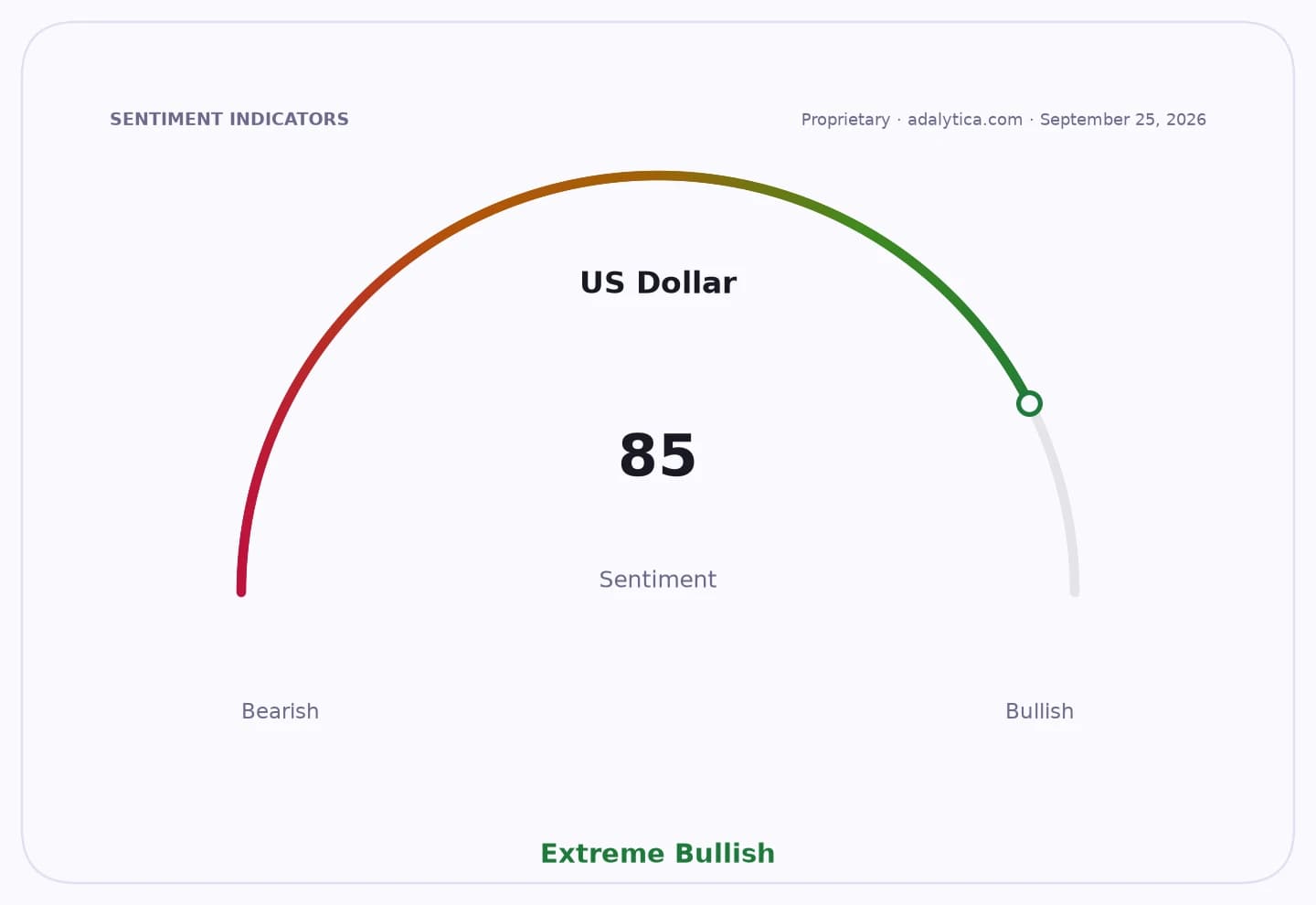
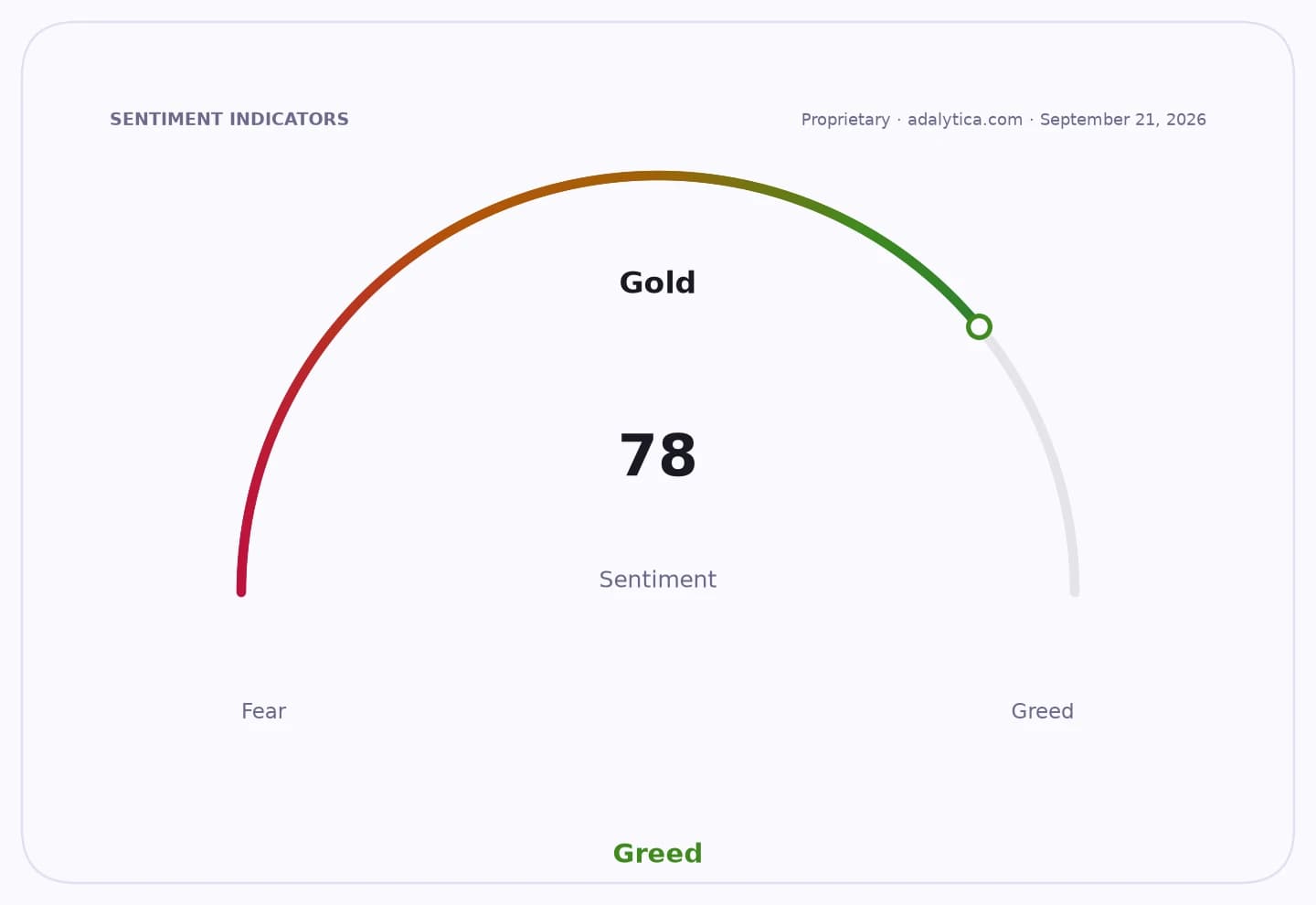
That rally is also showing up in sentiment data. Adalytica’s Gold Fear & Greed Index stands at 73, in “Greed” territory, after rising 52 points over the past month. The same dashboard shows extreme fear in the dollar, with a sentiment reading of 4, reinforcing the market’s appetite for alternative stores of value as traders lean against the currency.

For investors, the key point is that bullion funds are not just riding the move in gold — they are helping validate it. Strong inflows into GLDM and peers such as ASA can tighten available supply, support miners’ margins and lift the value of existing gold inventories. The bullish case is that a weaker dollar, persistent geopolitical risk and continued central-bank or private-sector diversification keep demand elevated. The bearish case is that gold’s near-term technical stretch leaves it vulnerable to a correction if macro stress eases or real yields rise.
The narrative connecting the trade is straightforward: gold is no longer only a hedge against crisis, but a liquidity trade in its own right, and the vehicles packaging that exposure are now large enough to influence the physical market they track. What investors should watch next is whether inflows into bullion ETFs keep pace with price gains — or whether overbought conditions and a stabilizing dollar trigger a pause.
| Entity | Gains | Losses |
|---|---|---|
| GLDM holders | ▲Higher NAV, safe-haven exposure | ▼Near-term overbought risk |
| Gold miners | ▲Stronger realized prices, margin leverage | ▼Valuation squeeze if gold reverses |
| Dollar bears | ▲Validation of defensive positioning | ▼Further loss if gold cools |
| Physical gold sellers | ▲Immediate price uplift | ▼Tighter supply, weaker bargaining power |