Gold’s latest surge could become a major earnings tailwind for Argentine miners, and that matters because higher bullion prices flow almost directly into export revenue, cash generation and investment appetite across the sector.
Gold near $4,900 boosts Argentine miners
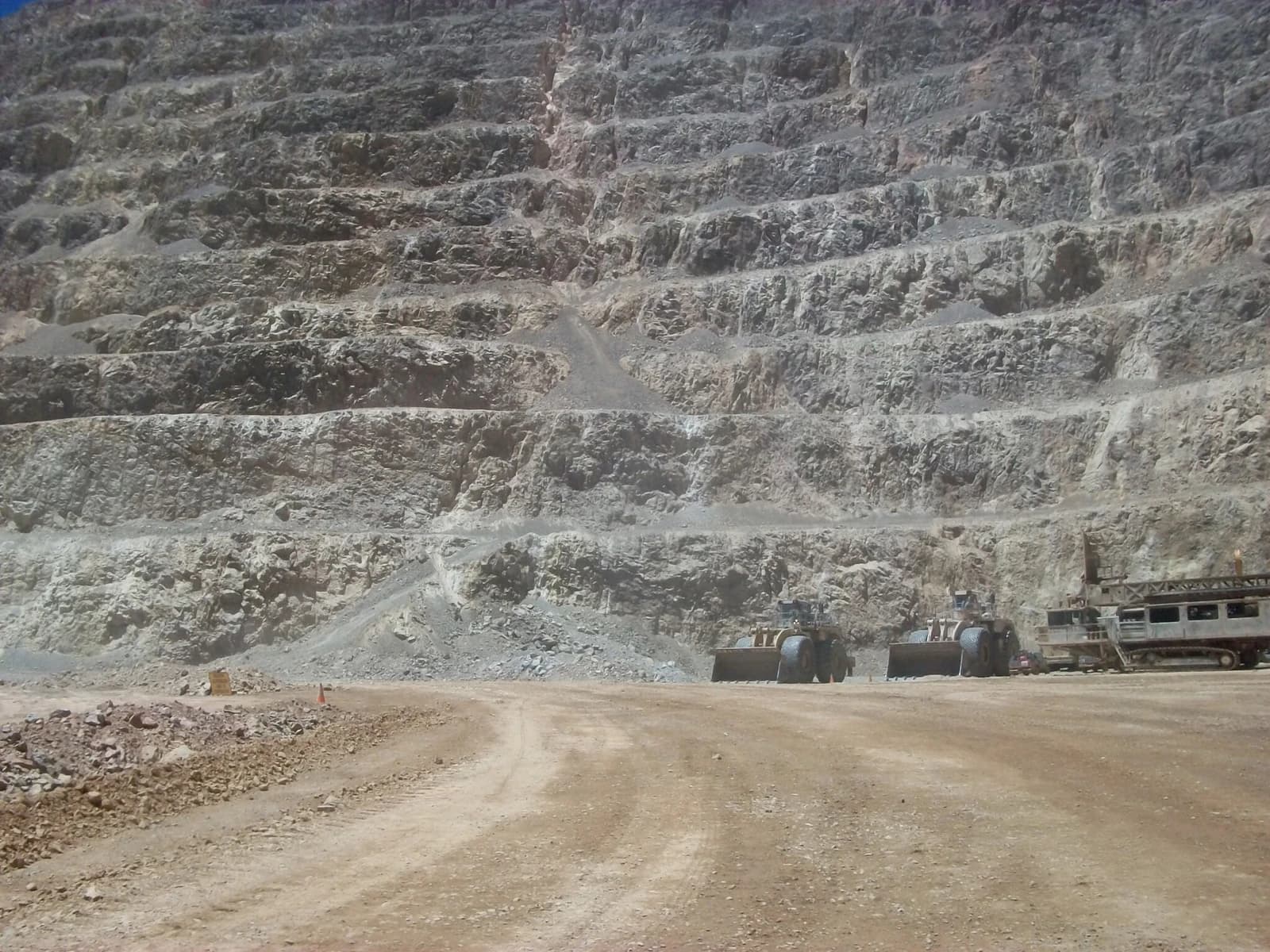
Goldman Sachs now sees the metal approaching $4,900 an ounce by year-end, a level that would keep producers in the driver’s seat after a powerful rally that has already pushed gold exchange-traded fund GLD to $401.21 and lifted the benchmark metal back near record territory. For Argentina, where gold accounted for 61% of mining exports in the first half, that price strength is more than a trading headline: it is a macro boost for a country hungry for hard currency.
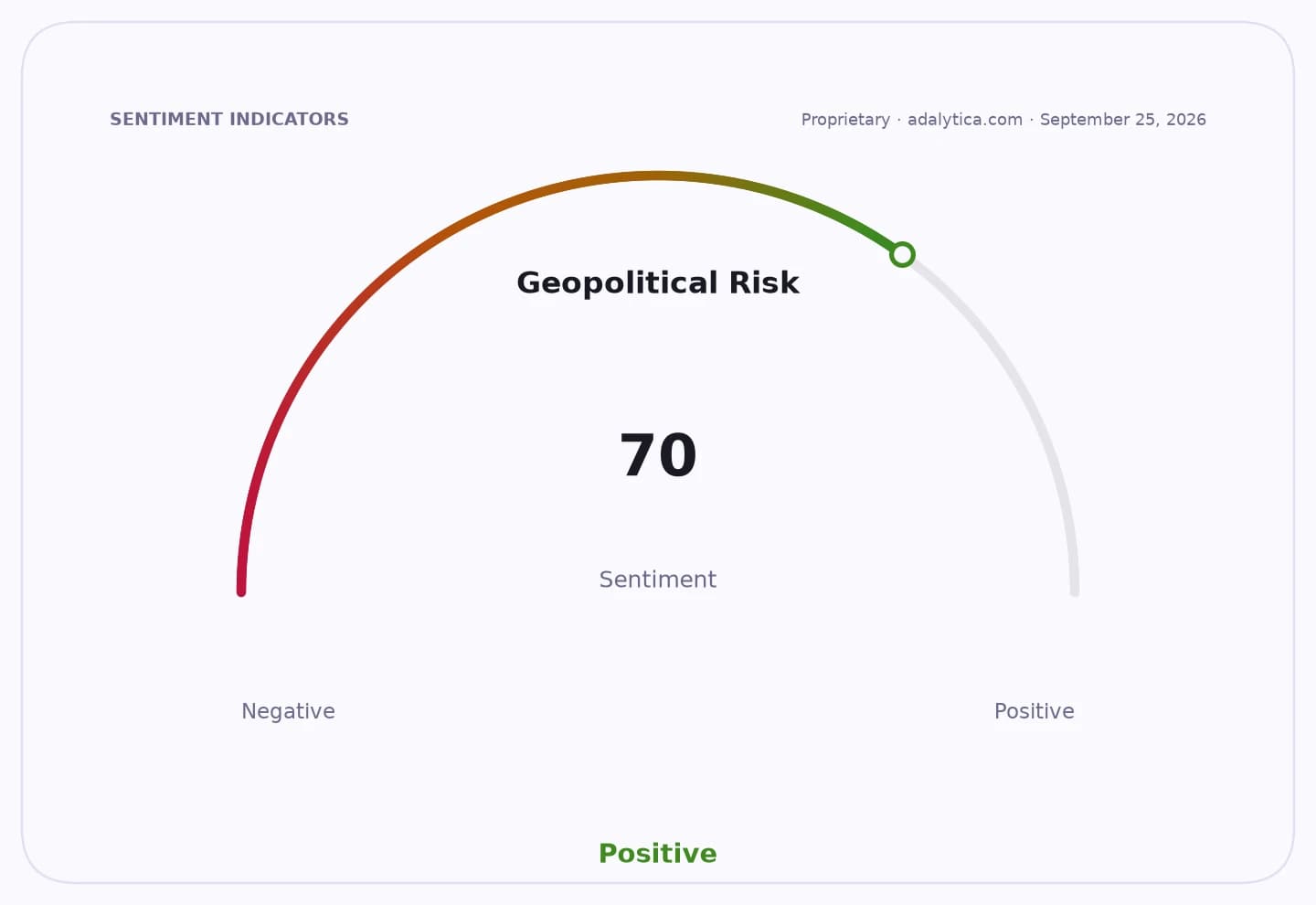
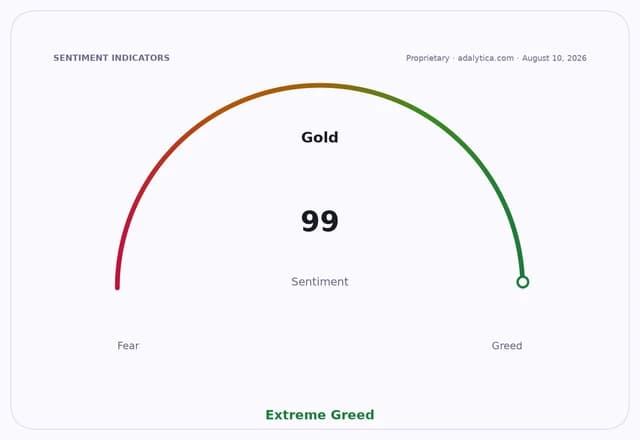
Sentiment IndicatorsⓘProprietary · adalytica.com · August 10, 2026
This is a snapshot — live sentiment, awareness and momentum for 130+ markets update continuously in the dashboard.Open AlphaPulse
The economics are straightforward. When gold rises, miners’ revenue usually rises faster than their costs, especially for operations with established reserves and relatively fixed infrastructure. That can widen margins, support project financing and encourage new development in a country where export dollars are crucial. In a place like Argentina, where mining can help offset foreign-exchange strain, a stronger gold market can also improve the industry’s bargaining power with lenders, suppliers and policymakers.
Investors have already been rewarding the sector. The VanEck Gold Miners ETF, GDX, has climbed to $90.10, while AngloGold Ashanti’s U.S.-listed shares have jumped to $180.20. Those moves reflect a market that is not just betting on a higher gold price, but on the operating leverage that comes with it: every extra dollar in bullion can translate into a meaningful boost in miner profitability.
Technical indicators suggest the rally still has momentum, even if it is getting stretched. GLD’s 50-day moving average is rising at $382.11, above its 200-day average of $411.82, while its RSI reading of 70.8 points to strong — and potentially overheated — buying interest. GDX shows a similar picture, with its RSI at 77.5 and its price above both the 50-day and 200-day averages. That does not guarantee a pullback, but it does tell investors the market is chasing gold rather than quietly accumulating it.
The broader backdrop is also supportive. Adalytica’s Gold Fear & Greed Index sits at 99, a reading of extreme greed, while its U.S. dollar signals also show extreme greed. That combination usually reinforces the case for bullion, since gold tends to benefit when investors are paying up for hard assets and questioning the durability of paper currencies.
For Argentina’s miners, the opportunity is obvious, but so is the risk. Gold is volatile, and a sharp reversal would quickly compress margins and cool export optimism. Even so, for long-term investors, the story is less about next week’s price tape and more about a powerful secular tailwind for producers with real reserves, discipline on costs and access to capital. If gold stays near these levels, Argentina’s mining sector could be one of the clearest beneficiaries. Worth watching closely.
| Entity | Gains | Losses |
|---|---|---|
| Argentine miners | ▲Higher export revenue | ▼Lower upside if gold retreats |
| Gold investors | ▲Momentum and inflation hedge | ▼Risk of a sharp pullback |
| GLD and GDX holders | ▲Exposure to bullion rally | ▼Chasing an overheated trade |
| Importers and gold consumers | ▲— | ▼Higher local prices |