Central banks kept buying gold in June, extending a powerful reserve-shift that is reinforcing bullion’s role as a strategic asset rather than just a trade.
Gold buying by central banks continues in June
That matters because official-sector demand is one of the clearest signs that the world’s biggest monetary authorities still see gold as protection against inflation, sanctions risk and currency volatility. When central banks add to reserves, they are not trying to time the market. They are reallocating national savings for the long haul, which gives gold a structural bid that can outlast short-term pullbacks.
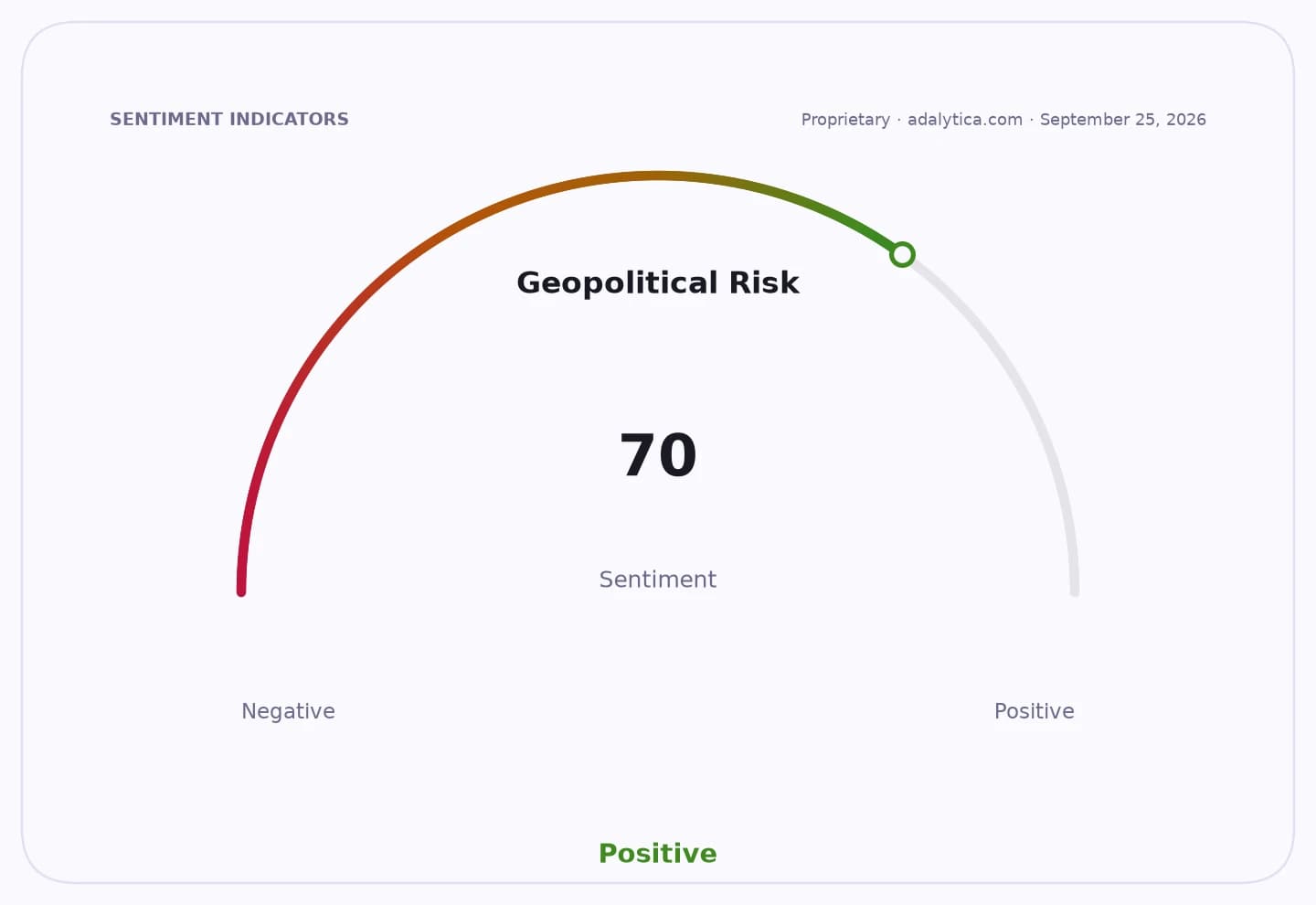
Sentiment IndicatorsⓘProprietary · adalytica.com · August 11, 2026
This is a snapshot — live sentiment, awareness and momentum for 130+ markets update continuously in the dashboard.Open AlphaPulse
The backdrop helps explain why. Gold prices have already surged to record levels this year, with the SPDR Gold Trust hovering around $402 a share and Newmont at $117.26, both far above where they were earlier in the year. The rally has come alongside a 10-year Treasury yield near 4.65% to 4.69% and persistent inflation pressure, with core consumer prices still running elevated in the latest data. In other words, the usual safe havens are not offering the same comfort at the same time, which makes gold more attractive to reserve managers and investors alike.
For investors, that’s important because central-bank buying can turn a cyclical rally into something more durable. It supports gold miners’ cash flows, widens margins for producers and can keep exchange-traded funds like GLD bid even after sharp gains. Newmont’s stock has more than doubled from its late-2025 levels, while GOLD, the ticker for Barrick, has climbed into the low-40s from below $30 late last year. Those moves reflect not only stronger bullion prices but also the market’s willingness to pay for exposure to an asset class that is once again being accumulated by the people who issue money, not just those who trade it.
There is a feedback loop here that investors should watch closely. As gold prices rise, reserves become more valuable, which can encourage more attention from central banks, funds and retail buyers. At the same time, an assertive U.S. dollar and firmer Treasury yields can still create interruptions, especially if real rates rise faster than expected. But the longer-term story is straightforward: the world’s monetary authorities are signaling that diversification away from paper assets remains a priority.
For long-term investors, that makes gold worth keeping on the watchlist, especially as part of a diversified portfolio rather than a short-term bet. The better question is not whether gold can swing lower in the next few weeks, but whether central banks’ steady accumulation helps keep it relevant for years. The answer, for now, looks like yes.
| Entity | Gains | Losses |
|---|---|---|
| Central banks | ▲Reserve diversification | ▼Dollar dependence |
| Gold miners | ▲Higher margins | ▼Cost inflation |
| Gold ETFs and holders | ▲Stronger asset prices | ▼Near-term profit-taking |
| U.S. dollar and bonds | ▲Less relative demand | ▼Safe-haven share of flows |