Investors and governments are rethinking whether the United States is still the safest place to park gold, a shift that could gradually reshape where the world’s official reserves are stored and who controls them in a crisis.
Gold Repatriation Debate Widens in Europe
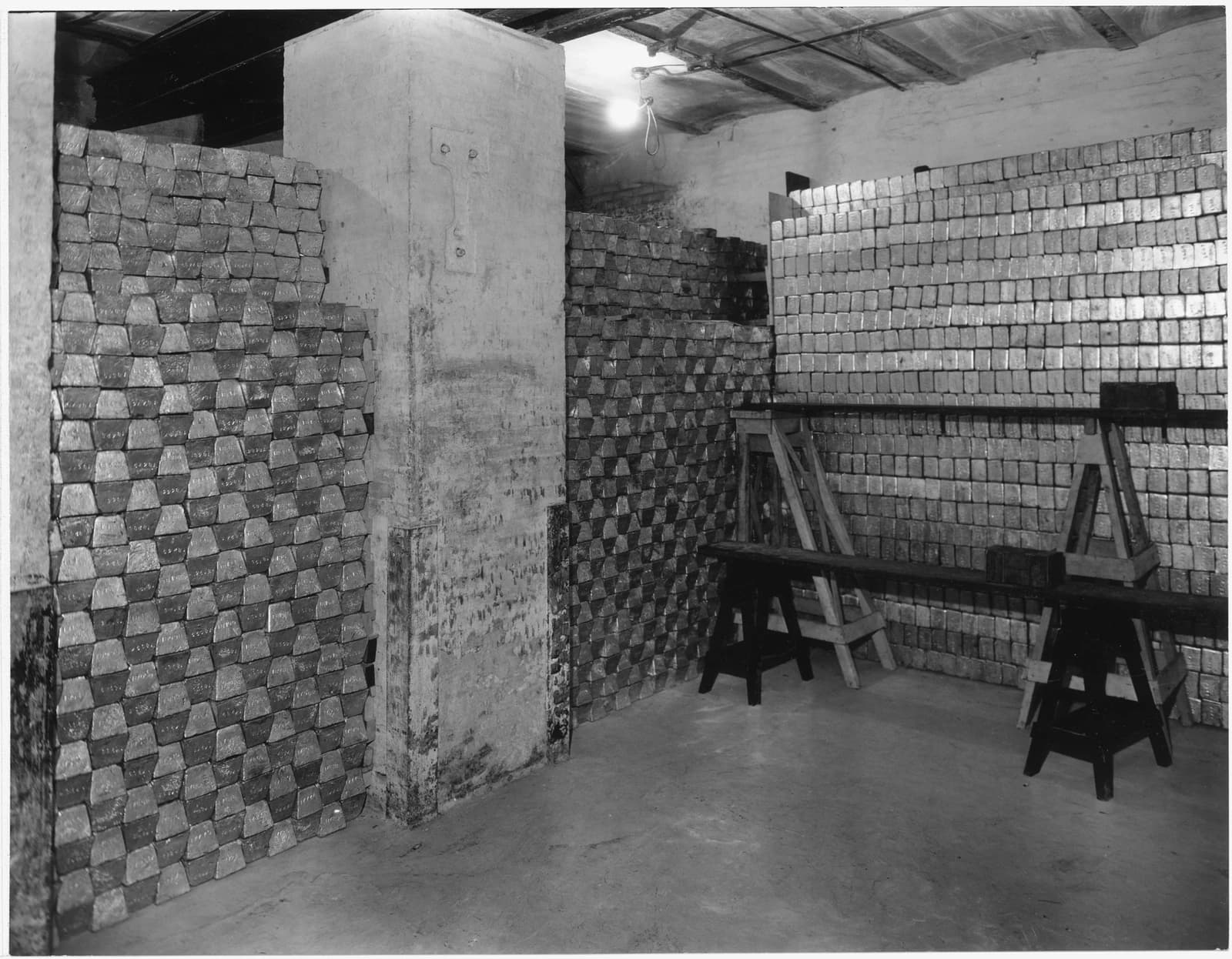
The immediate economic significance is not that Washington is about to seize foreign bullion — analysts say that remains highly unlikely — but that the confidence premium attached to US custody is weakening. That matters because gold is not just a financial asset; for central banks and finance ministries it is a sovereign reserve held for emergency access, sanctions resilience and political independence. If that trust frays, more metal may be repatriated from New York and other US vaults, reducing the role of the US as the default storage hub for foreign reserves.
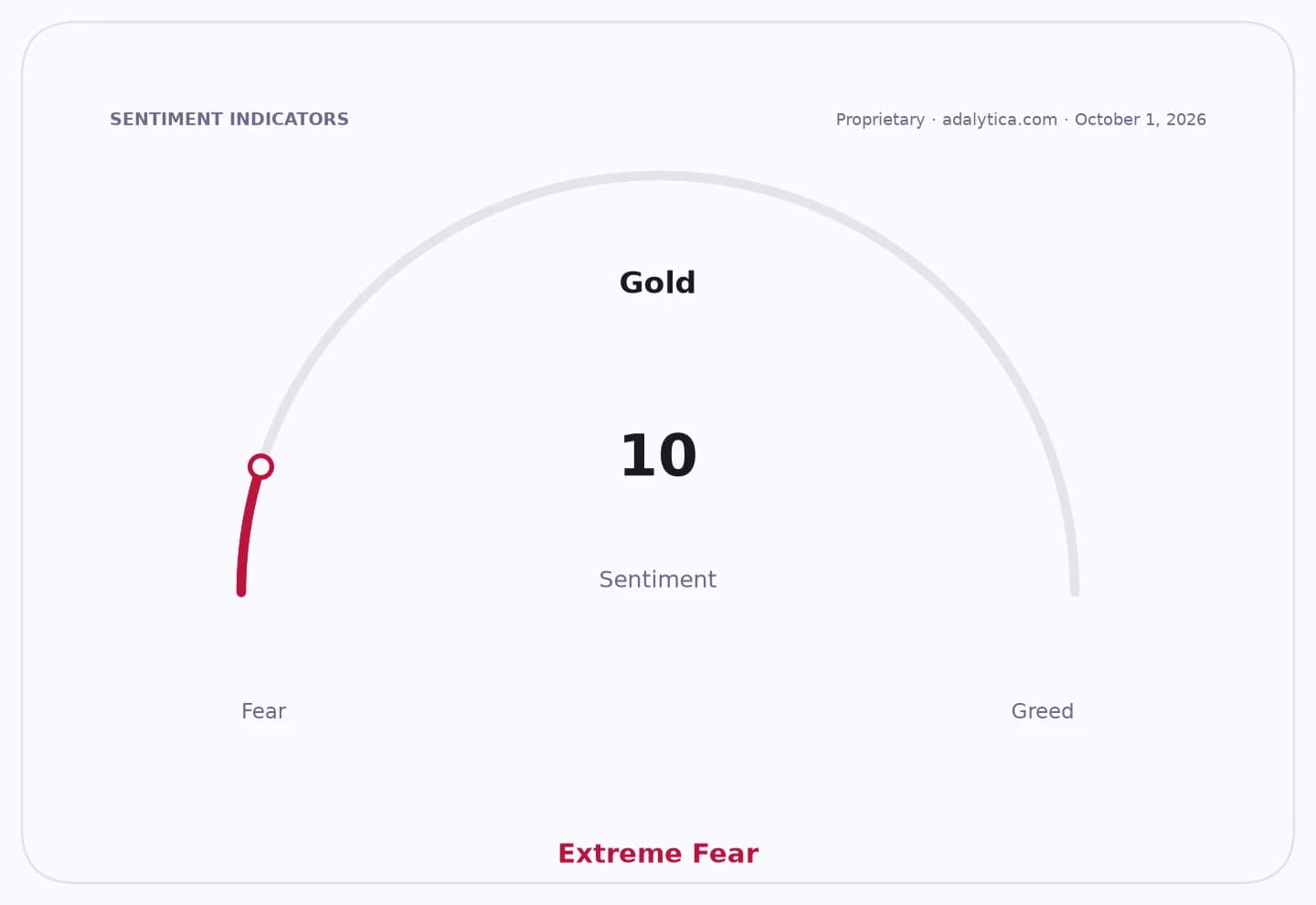
Sentiment IndicatorsⓘProprietary · adalytica.com · October 1, 2026
This is a snapshot — live sentiment, awareness and momentum for 130+ markets update continuously in the dashboard.Open AlphaPulse
The move is already visible in Europe. The Netherlands and France have both pulled gold from US vaults in the past two years, citing geopolitical instability. In Germany and Italy, which hold the world’s second- and third-largest gold reserves, politicians are again calling for more bullion to be brought home, arguing that Donald Trump’s erratic policy direction makes overseas storage less predictable. Even if the fear of outright confiscation is remote, the concern that access could become complicated in an emergency is enough to drive policy debate.
That kind of repatriation has broader implications for the international financial system. The Federal Reserve Bank of New York and Fort Knox remain major storage centers for foreign gold, including a large share of Germany’s reserves, because the US has long offered deep security, liquidity and operational reliability. But reserve management is increasingly being shaped by geopolitics rather than cost or convenience. Central banks want assets they can physically access and control at home if sanctions, trade disputes or diplomatic shocks intensify.
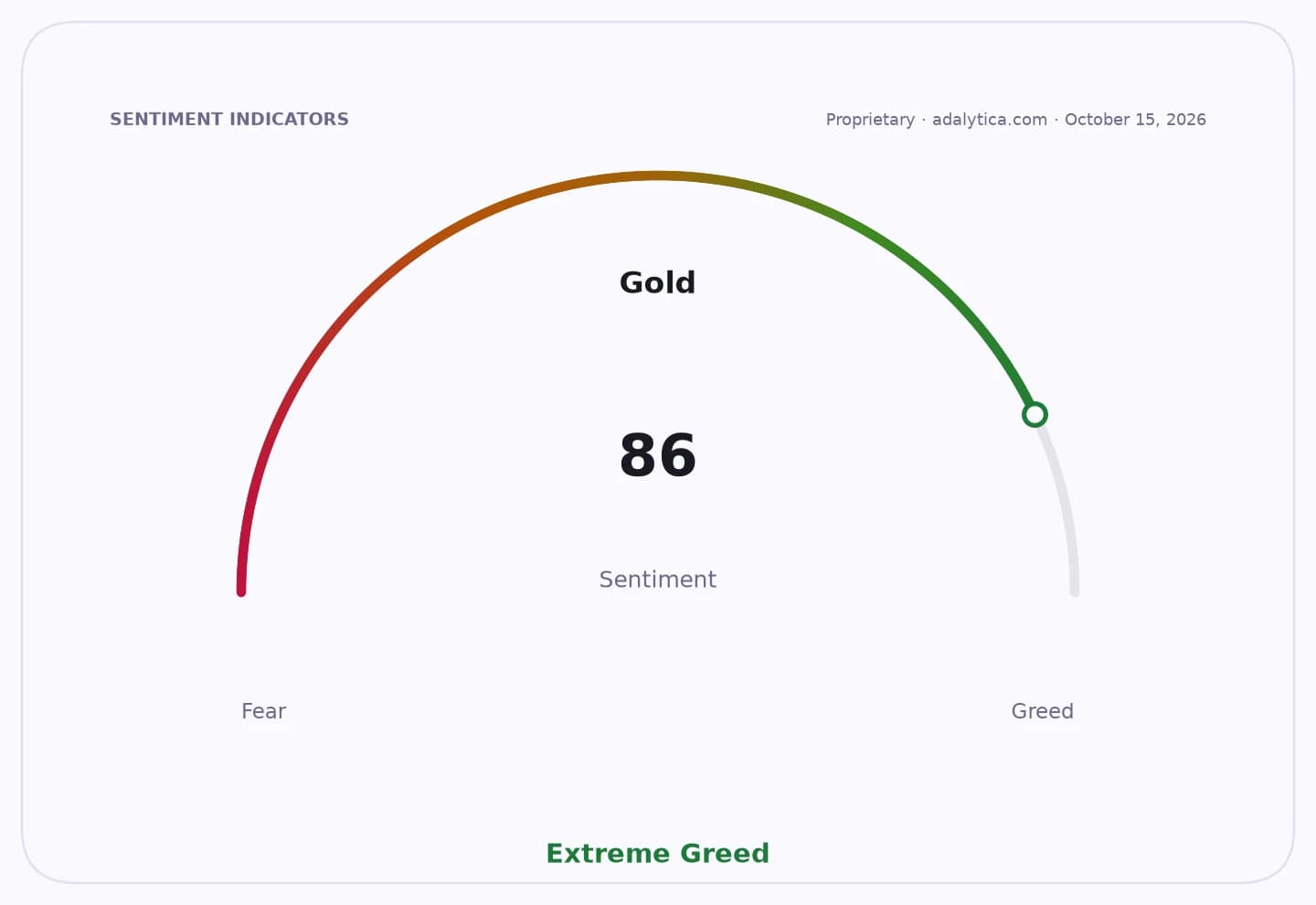
For markets, the message is less about immediate flows and more about the direction of institutional demand. Gold has been trading in an environment of extreme fear in Adalytica’s gauge, while standard technical indicators on major gold trackers show the metal has been volatile and below its 50-day and 200-day averages in recent sessions. The political bid for domestic storage, however, can support a longer-term strategic case for bullion even when prices are choppy: the asset is being valued not only for return, but for sovereignty.
The bull case is that repatriation reinforces gold’s role as a hedge against geopolitical fragmentation and should support official-sector demand over time. The bear case is that the issue is largely symbolic, with no evidence of imminent US restrictions on access and little near-term market impact. What is clear is that the US brand as the world’s neutral warehouse for gold is no longer unquestioned, and that could become another sign of the broader deglobalization now influencing reserve management.
| Entity | Gains | Losses |
|---|---|---|
| Domestic vaults in Europe | ▲More reserve control | ▼Less reliance on New York |
| US gold custodians | ▲Lower strategic relevance | ▼Potential outflows |
| Central banks seeking repatriation | ▲Greater crisis access | ▼Higher storage costs |
| Gold bullion | ▲Stronger sovereign appeal | ▼Less purely financial demand |