Gold’s latest plunge is widening the gap between what buyers pay and what sellers can get to a record level, a sign that this year’s glittering rally has turned into a far less efficient market for traders and hoarders alike.
Gold spreads widen as volatility and caution rise
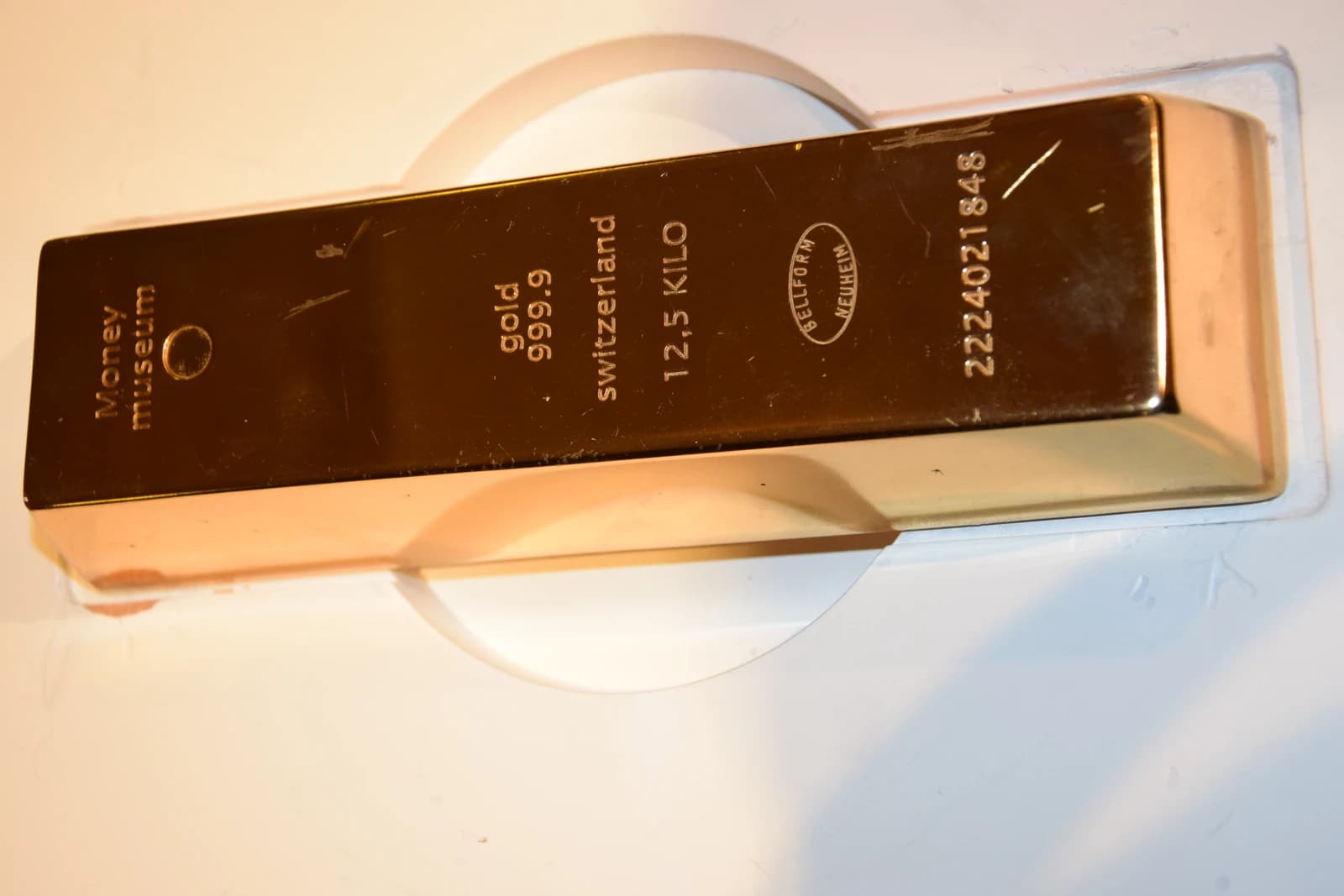
That matters because when spreads blow out, liquidity gets worse, pricing gets noisier and investors can lose money even if the headline gold price appears stable. In other words, gold is no longer behaving like a calm store of value; it is acting more like a crowded trade, where momentum can reverse quickly and dealers become far more cautious about taking the other side.
Sentiment IndicatorsⓘProprietary · adalytica.com · July 23, 2026
This is a snapshot — live sentiment, awareness and momentum for 130+ markets update continuously in the dashboard.Open AlphaPulse
The strain is showing up across the market. In local trading, SJC gold bars and rings have swung sharply in both directions in July, including a steep fall earlier in the month and a strong rebound this week, even as dealer selling remains heavy and retail demand looks sluggish. The result is a market where quoted prices can move fast, but actual execution is much more difficult. For investors, that is a warning sign: the cost of getting in and out of gold is rising at the exact moment everyone seems to want exposure.
Global price action tells the same story. Gold futures are still hovering around $4,000 an ounce, but the move has been choppy enough to leave the market vulnerable to abrupt reversals. Gold’s recent pullback from spring highs, followed by a partial recovery, suggests that traders are still digesting a powerful advance rather than building a stable base. The standard technical picture reflects that tension: GLD has climbed back above its 50-day moving average, but remains below its 200-day line, while momentum readings have improved without fully repairing the damage from June’s drop.
Gold — 30-day sentimentadalytica.com
Explore this data interactively — full history, time series and cross-market comparisons.Open AlphaPulse
That is why the current setup matters beyond the day-to-day noise. A record bid-ask gap is usually what happens when fear, greed and uncertainty collide. The Adalytica Gold Fear & Greed Index is flashing Extreme Greed, while awareness remains low, a combination that often appears near periods of crowded positioning. At the same time, the U.S. dollar has firmed in the latest signal snapshot, which can pressure precious metals and make gold’s next move even more dependent on sentiment than on fundamentals.
For long-term investors, the lesson is not to abandon gold entirely. Gold still plays a role as a diversifier, especially when currencies wobble or policy risk rises. But the current market is a reminder that even defensive assets can become expensive to trade when speculation outruns conviction. If you own gold, think in years, not days. If you are buying now, expect volatility, not smooth compounding. And if you are already exposed through miners or ETFs such as GLD and GDX, this is a good time to size positions carefully and keep gold as part of a broader portfolio rather than a one-way bet.
The next few weeks will matter because a calmer spread would suggest the market is digesting the recent rush of buying. If the gap stays wide, that would point to deeper stress under the surface and a harder environment for late buyers. Either way, gold remains worth watching — but at these prices, patience may be the most valuable metal of all.
| Entity | Gains | Losses |
|---|---|---|
| Buyers | ▲Potential long-term hedge | ▼Wide spread, poor entry |
| Sellers | ▲Can exit into strength | ▼May face lower bids |
| Gold dealers | ▲Higher trading margins | ▼Slower, riskier turnover |
| GLD/GDX holders | ▲Exposure to rebound | ▼Mark-to-market volatility |




