Global commodity markets moved higher on Tuesday evening, but the day’s bigger message was a split screen: safe-haven demand and grain strength kept gold and wheat supported even as a firmer dollar and elevated U.S. Treasury yields capped enthusiasm across the complex.
Gold, Wheat Rise as Yields and Dollar Weigh

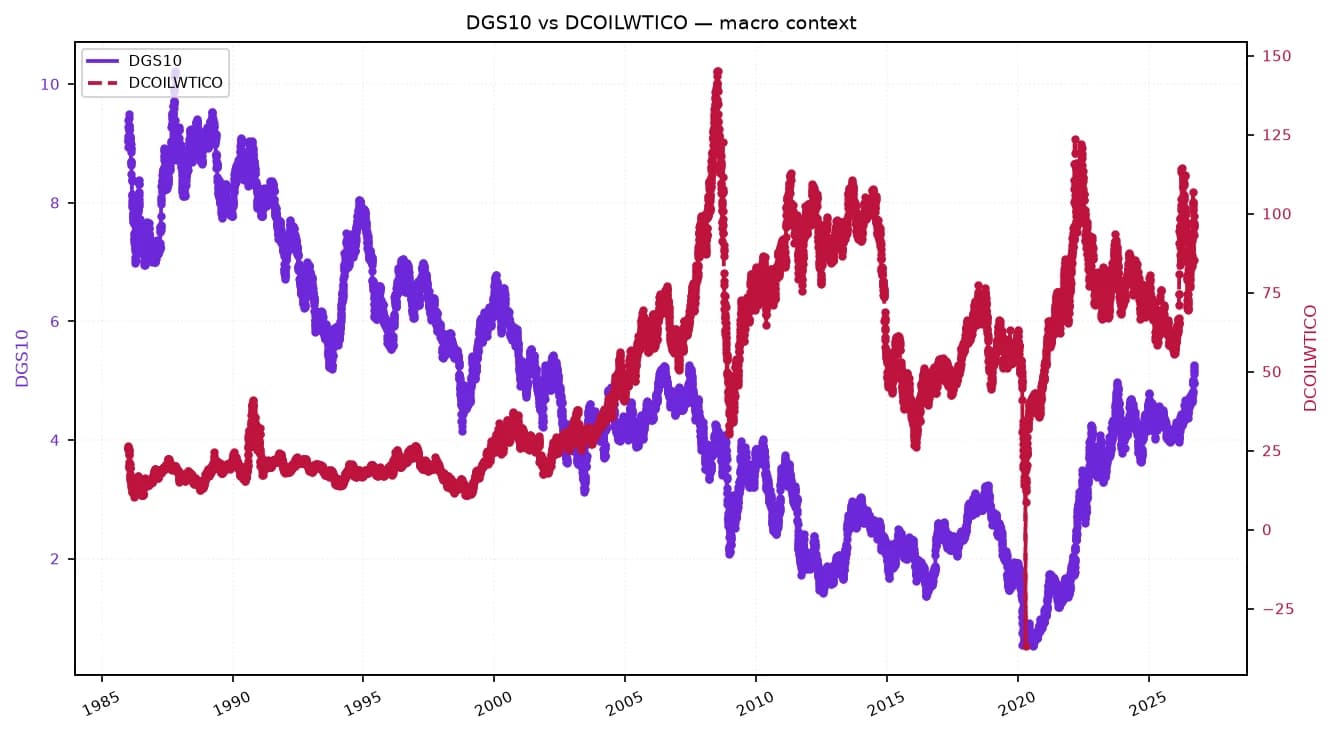
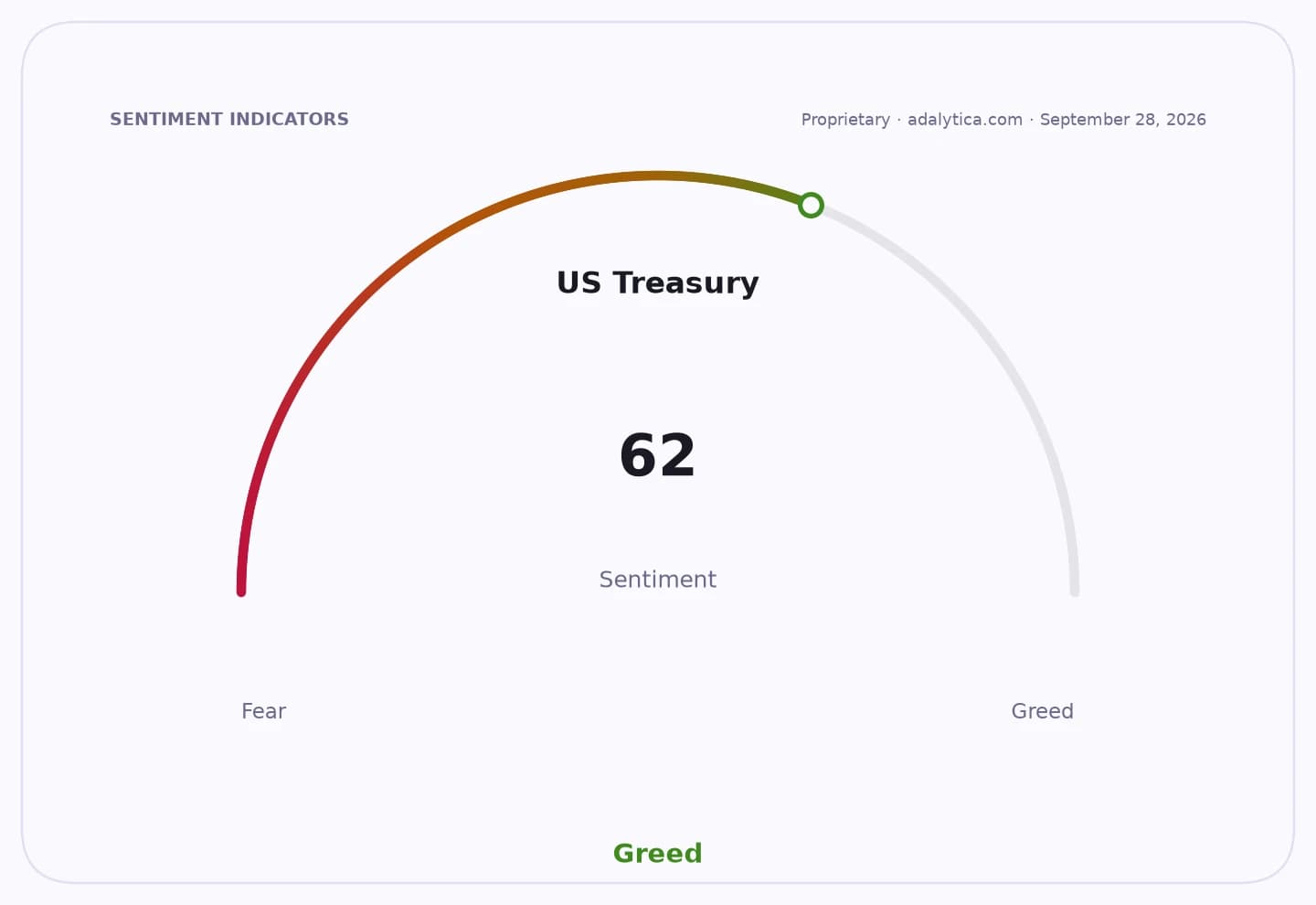
Gold rose 0.66% to $4,167.38 an ounce, while silver gained 0.64% to $61.49, underscoring how investors are still seeking protection in precious metals even as financing conditions remain tight. At the same time, the dollar gauge from Adalytica showed neutral sentiment but a sharp one-day rise in awareness, and the 10-year U.S. Treasury yield was last indicated around 5.30%, a level that typically raises the opportunity cost of holding non-yielding assets such as bullion.
Sentiment IndicatorsⓘProprietary · adalytica.com · October 7, 2026
This is a snapshot — live sentiment, awareness and momentum for 130+ markets update continuously in the dashboard.Open AlphaPulse

That tension matters economically because commodities are being pulled by competing forces. Higher yields and a stronger dollar usually weigh on dollar-priced raw materials, especially gold, by making them less attractive to non-U.S. buyers and by increasing the return on cash and bonds. Yet the rally in gold suggests investors still see enough macro risk to keep adding hedges, likely reflecting concern over inflation persistence, fiscal strain and uneven growth. The move in silver to a fresh high above $61 also points to a market that is not simply buying insurance, but may be pricing in broader scarcity and industrial demand.
Energy prices added to the inflation backdrop. Brent crude rose 0.37% to $100.69 a barrel and WTI climbed to $89.64, keeping input costs elevated for transport, industry and agriculture. Natural gas in Europe and the U.S. also firmed, with TTF gas up 2.52% to 75.30 euros and U.S. natural gas up 1.63% to $3.12. For investors, that combination is important because sticky energy costs can slow any easing in headline inflation, complicate central bank policy and keep real rates from falling decisively enough to sustain a broad commodity rally.
US Dollar — 30-day sentimentadalytica.com
Explore this data interactively — full history, time series and cross-market comparisons.Open AlphaPulse

Agricultural markets were stronger still. Wheat tracked higher in the latest session, and the U.S.-listed WEAT fund slipped 2.23% on the day to $24.92 after a recent run-up, leaving it above its 200-day moving average but below the 50-day average. That technical setup suggests the trend has cooled, not broken. The broader DBA agriculture fund closed at $28.50, also modestly softer, but the underlying grain complex remains sensitive to weather, export demand and fertilizer and fuel costs.
The move in grains matters beyond the futures screen. Corn rose 2.26% to $5.09, soybeans added 1.87% to $13.05 and soybean meal advanced 2.17%, pointing to firmer feed and food inflation pressures later in the supply chain. Coffee jumped 4.07% and orange juice rose 4.12%, reinforcing the sense that weather and supply tightness are still supporting soft commodities.
For investors, the message is less about a single breakout than about persistence. Commodities are not moving in unison, but the mix of high energy prices, firm bullion, and higher grains suggests markets remain wary of reacceleration in inflation. That keeps producers and commodity-linked equities supported, while consumers, airlines, food makers and other input-heavy sectors face less relief than many had hoped.
The next catalyst is whether Treasury yields and the dollar keep climbing. If they do, gold’s advance will be tested quickly. If yields stabilize or ease, the current firmness in precious metals and grains could broaden into a more durable commodity uptrend.
| Entity | Gains | Losses |
|---|---|---|
| Gold bulls | ▲Inflation hedge demand | ▼Higher real yields |
| Grain producers | ▲Stronger crop prices | ▼Food buyers and processors |
| Energy producers | ▲Elevated crude and gas prices | ▼Fuel-intensive industries |
| Bond investors | ▲Higher nominal yields | ▼Commodity-heavy consumer sectors |