Gold pulled back even as crude oil pushed higher after fresh attacks on shipping in the Red Sea revived worries that energy costs could keep inflation sticky and central banks cautious.
Gold, WTI Oil Move on Red Sea Attacks; GLD at $389.23

For investors, that split matters because gold and oil are both acting as barometers of the same macro fear: if geopolitics disrupts supply chains and lifts fuel prices, the market’s hope for easier monetary policy can fade quickly. Higher crude filters through to transportation, manufacturing and consumer prices, and that can keep bond yields elevated and pressure rate-sensitive assets.
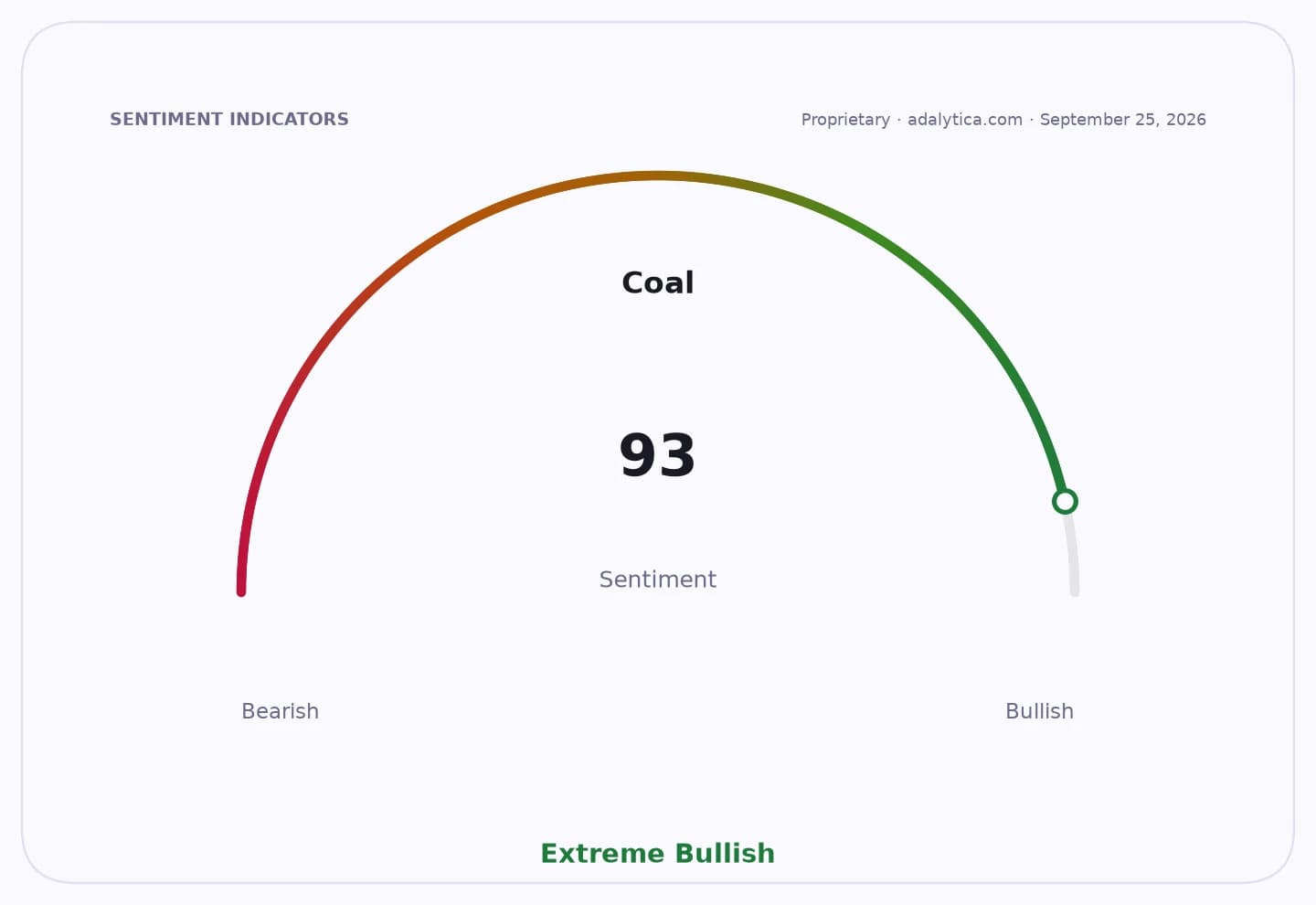
Sentiment IndicatorsⓘProprietary · adalytica.com · August 6, 2026
This is a snapshot — live sentiment, awareness and momentum for 130+ markets update continuously in the dashboard.Open AlphaPulse

West Texas Intermediate settled around $84.71 a barrel in the latest forecast, up from $81.96 on Aug. 3, while the 10-year Treasury yield sat near 4.63%, a reminder that inflation expectations still have a firm grip on markets. Gold, meanwhile, has been volatile rather than trending cleanly higher. GLD closed at $389.23 on Aug. 6, below its recent peak and just under its 50-day moving average, with RSI readings in the high 60s after a sharp rebound. That suggests investors are still buying the metal as a hedge, but not with the kind of one-way conviction that usually comes when inflation and geopolitical risk are running hot.
Energy stocks have held up better than gold in the latest move. XLE finished at $57.87, supported by stronger crude prices and still trading above its 200-day moving average. USO also remains elevated at $118.03, underscoring how quickly oil can reprice when the market starts to worry about supply disruptions.
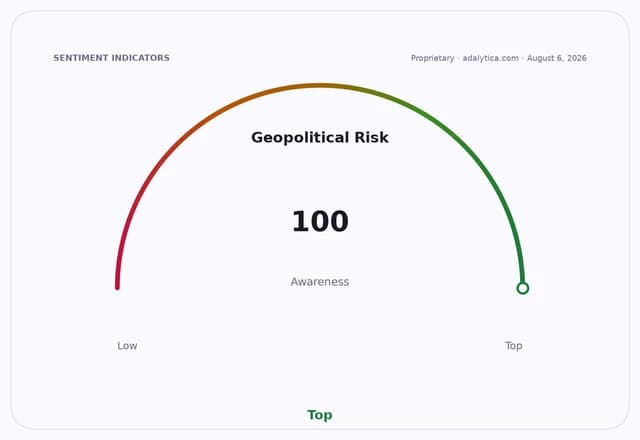
The bigger story is that inflation is not dead just because headline price pressure eased earlier this year. With West Texas crude still well above the levels that would comfort consumers and policymakers, any renewed shock in the Red Sea or broader Middle East could tighten financial conditions again. That is why gold’s hesitation matters: the metal is telling investors that inflation hedges still belong in the portfolio, but they may not be the only hedge worth owning if oil keeps doing the heavy lifting.
For long-term investors, the takeaway is simple. Geopolitical flare-ups can move markets fast, but the more durable lesson is about diversification. Energy exposure can help when inflation surprises to the upside, while gold can protect against policy mistakes and risk aversion. If you own both, you are better prepared for a world where supply shocks keep returning. That is worth watching, and it remains a compelling reason to hold quality inflation hedges for the long haul.
| Entity | Gains | Losses |
|---|---|---|
| Oil producers | ▲Higher prices | ▼Consumers and importers |
| Gold holders | ▲Hedge demand | ▼Momentum traders |
| Energy ETFs | ▲Sector tailwind | ▼Rate-sensitive assets |
| Central banks | ▲None | ▼Policy flexibility |