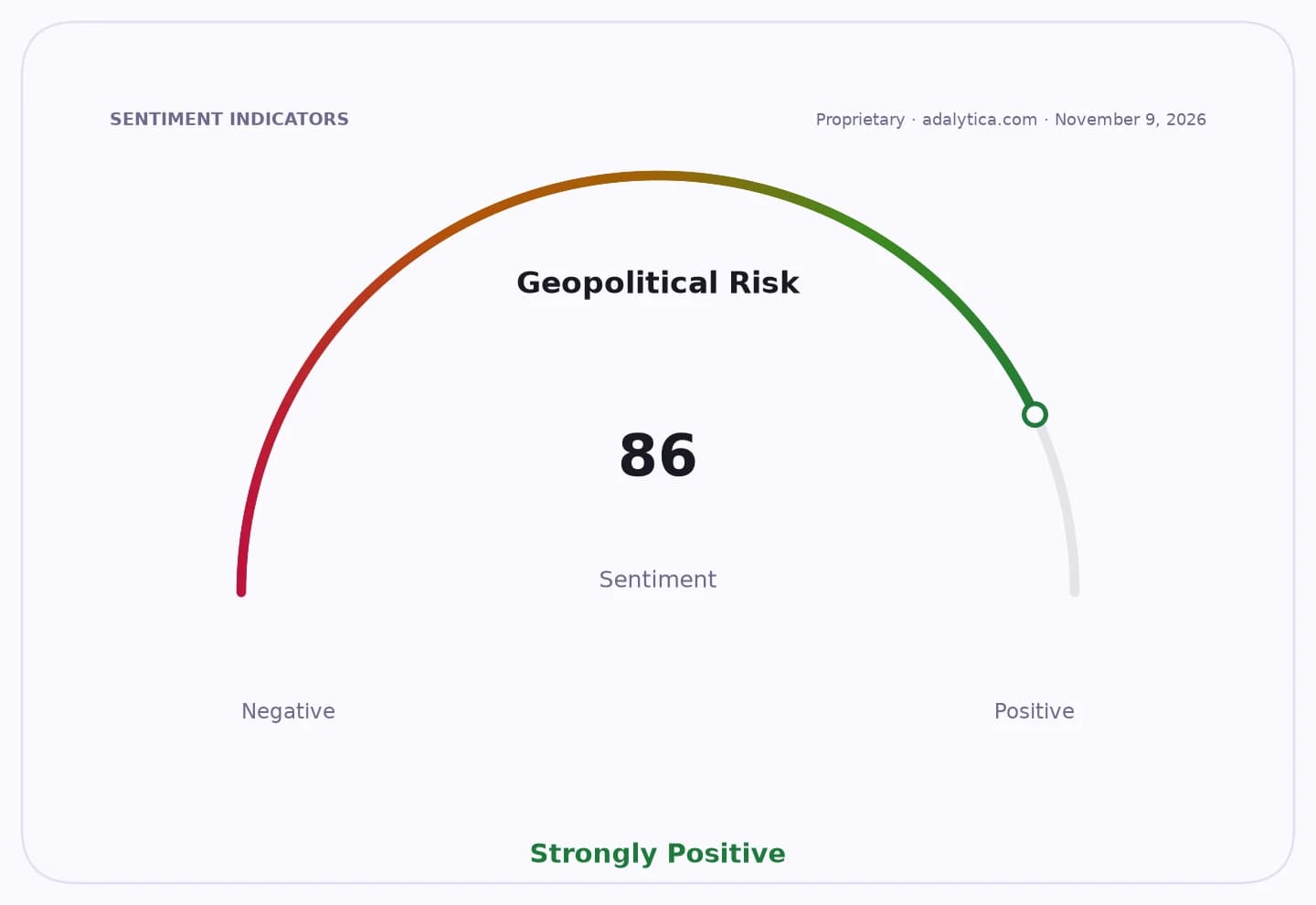
The economic bet now facing Greece is whether a steady buildout of investment in farming, factories and energy can turn a fragile recovery into a durable growth cycle.
Greece Investment Push for Farming, Factories, Energy
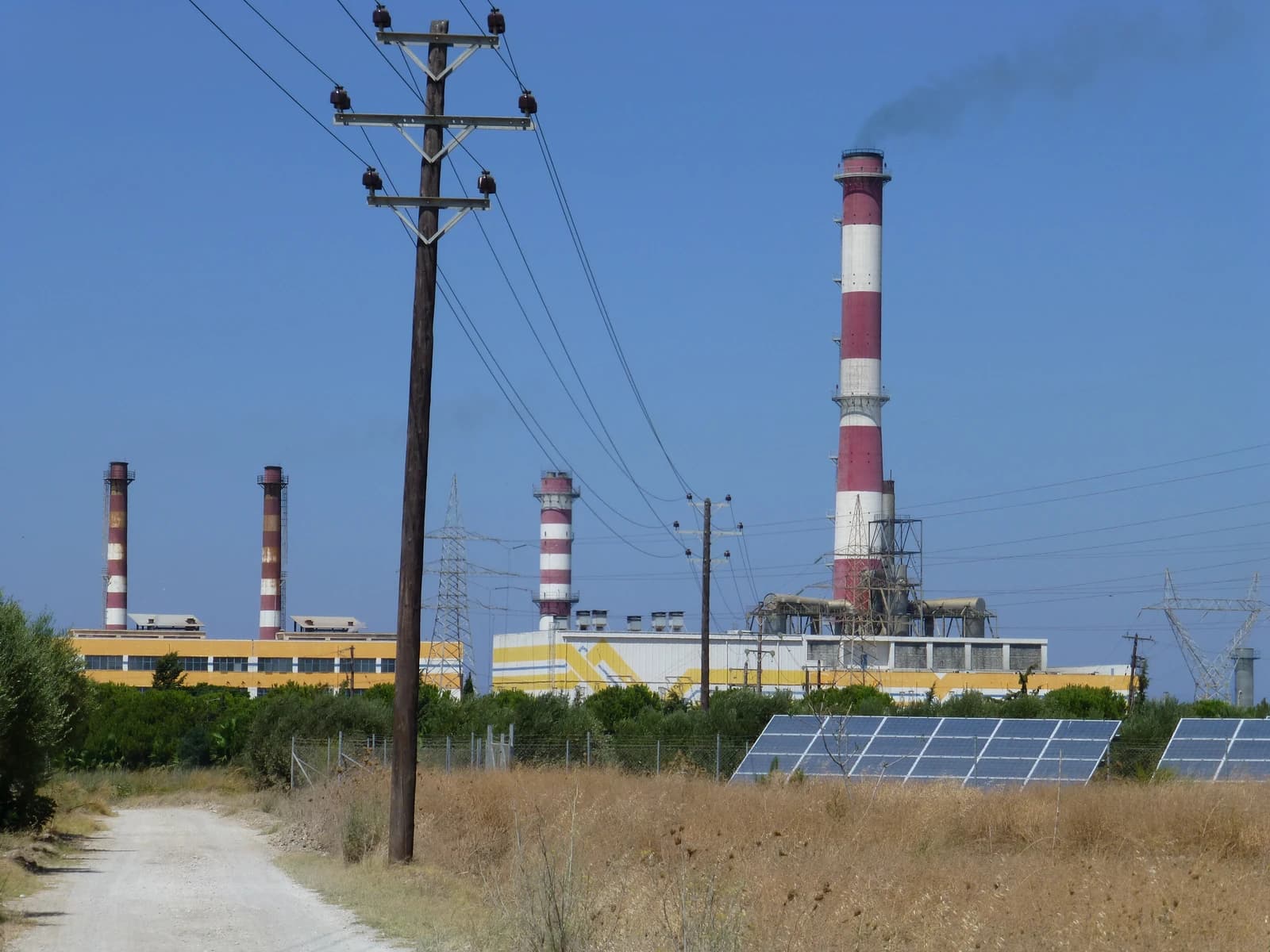
That is the message from PASOK leader Nikos Androulakis, who in Megalopolis called for “constant productive investments” in the primary sector, manufacturing and energy — a policy pitch that lands at a moment when industrial activity, producer prices and export-linked demand are all moving in the right direction. The most recent data point to a modest but still positive industrial backdrop, with industrial production at 103.95 in September and forecast at 104.05 in October, while producer prices remain elevated at 295.7, underscoring both the opportunity and the cost pressure facing Greek industry.
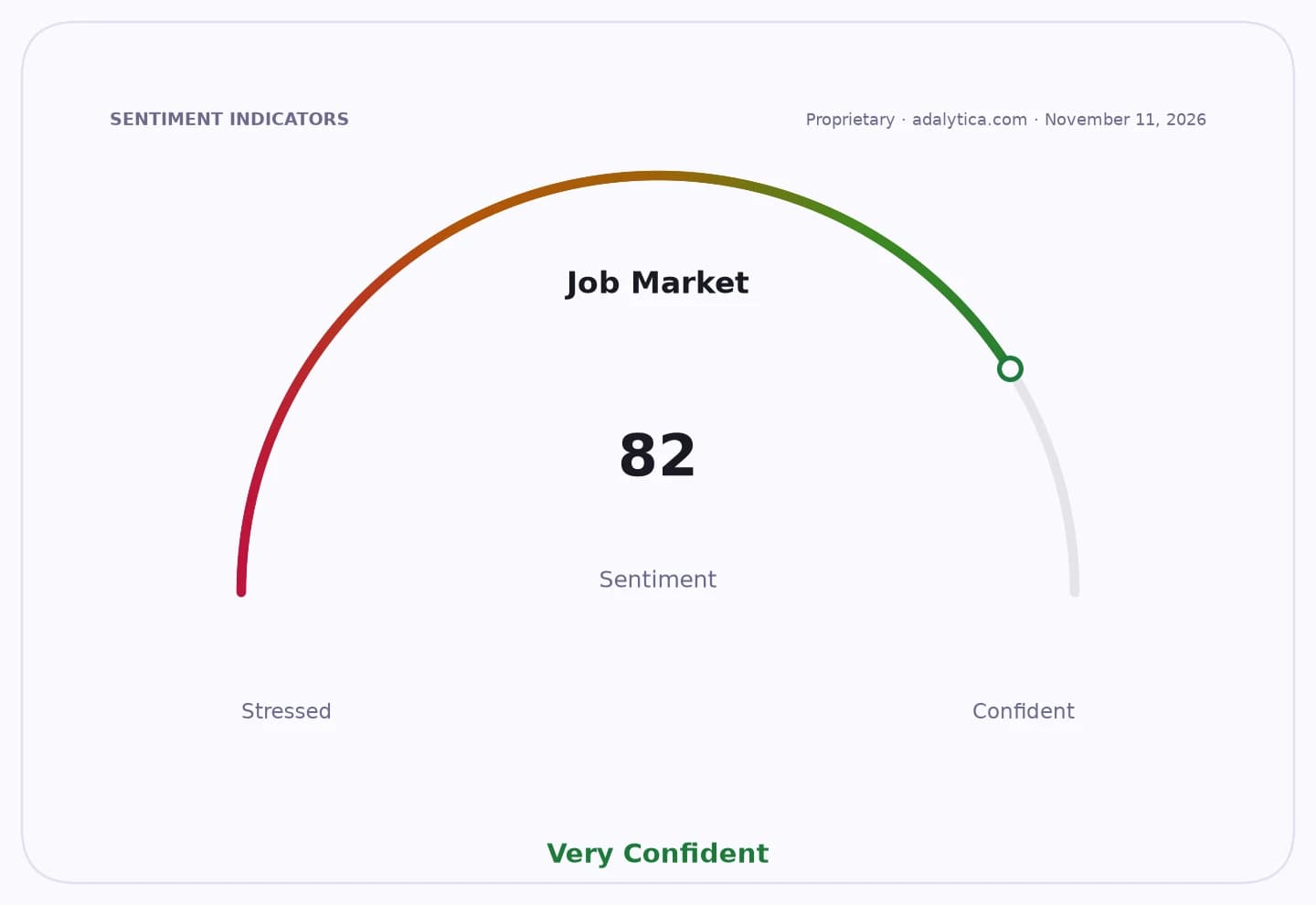
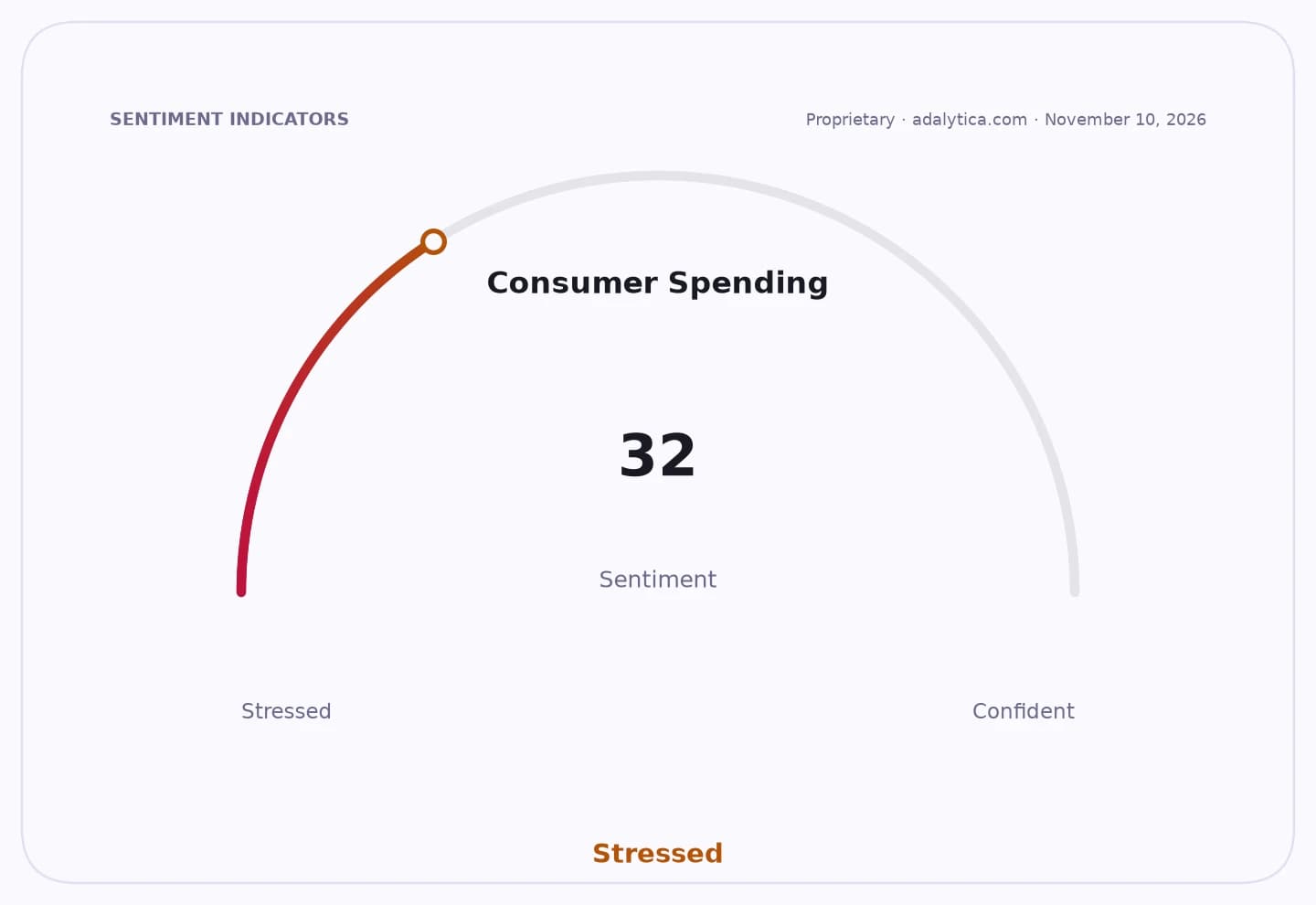
Sentiment Indicators
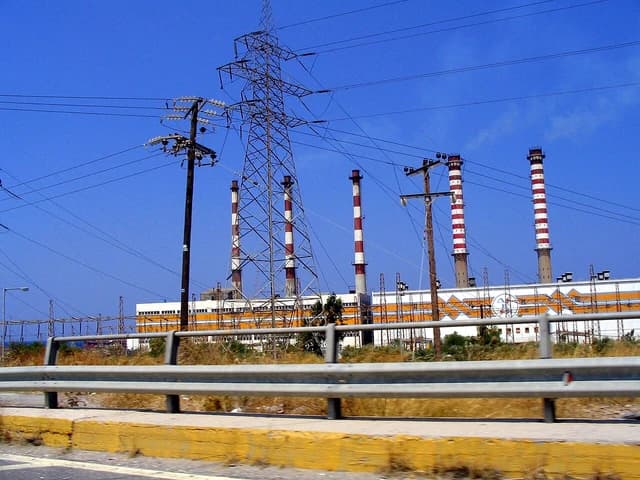
For investors, the significance is less about rhetoric than about where capital could flow next. A sustained push into productive investment would be the kind of policy signal that supports domestic capacity, improves energy security and lifts operating leverage in sectors that benefit first from higher utilization and infrastructure spending. That matters in a country where the political debate often focuses on consumption and distribution, but the real long-term upside comes from expanding supply.
The industrial picture helps explain why the message is gaining traction. Industrial production has recovered well above its 2024 low, and the broad manufacturing and energy complex is no longer in contraction territory. At the same time, producer inflation remains too high to be ignored, which means new investment must do more than simply add volume: it has to improve efficiency, lower energy intensity and strengthen competitiveness. In other words, the next leg of Greek growth will likely depend on whether firms can turn higher capex into higher productivity rather than just higher costs.
Industrial Production
That is also why the investment angle matters beyond Greece. Europe’s energy transition, supply-chain reshoring and defense-adjacent industrial spending are all reinforcing a broader preference for hard assets, grid infrastructure and production capacity. The market continues to reward that theme: the Energy Select Sector SPDR Fund has pushed higher even after a sharp reset in recent sessions, while the Industrial Select Sector SPDR Fund remains above its long-term trend despite recent volatility. The message is clear — investors still want exposure to real-economy capex, not just financial engineering.
The secondary beneficiaries are likely to be the companies and funds tied to equipment, power systems and agricultural productivity, while the risk sits with sectors exposed to imported energy costs, weak pricing power or delayed permitting. That is why Androulakis’ emphasis on three pillars — primary production, manufacturing and energy — is more than a campaign line. It is a framework for where growth can actually compound.
If Greek policymakers can convert that framework into financing, permits and execution, the opportunity could be meaningful over the next several years. The market underestimates how much value can be created when a small economy starts treating productive investment as the core of its growth strategy rather than a side effect of it.
| Entity | Gains | Losses |
|---|---|---|
| Greek manufacturers | ▲Higher capacity utilization | ▼Cost pressure from energy |
| Farmers and agri-businesses | ▲Productivity investment | ▼Underinvestment risk |
| Energy companies and grid suppliers | ▲Capex tailwind | ▼Delay from permitting |
| Consumers/importers | ▲Longer-term supply stability | ▼Short-term inflation burden |