Greece’s recovery is being blunted less by weak demand than by the heavy deductions that still take a large bite out of pay packets, leaving workers with much less of what employers spend and limiting the economy’s ability to turn growth into stronger household consumption.
Greek Wage Taxes Limit Recovery Gains

That matters because Greece is trying to convert a rebound in output into a durable expansion in living standards after years of crisis-era wage compression. But high labor taxation, combined with elevated energy costs, keeps a lid on net pay and makes it harder for companies to hire in a tight market, particularly as foreign workers have been leaving and labor shortages are deepening.
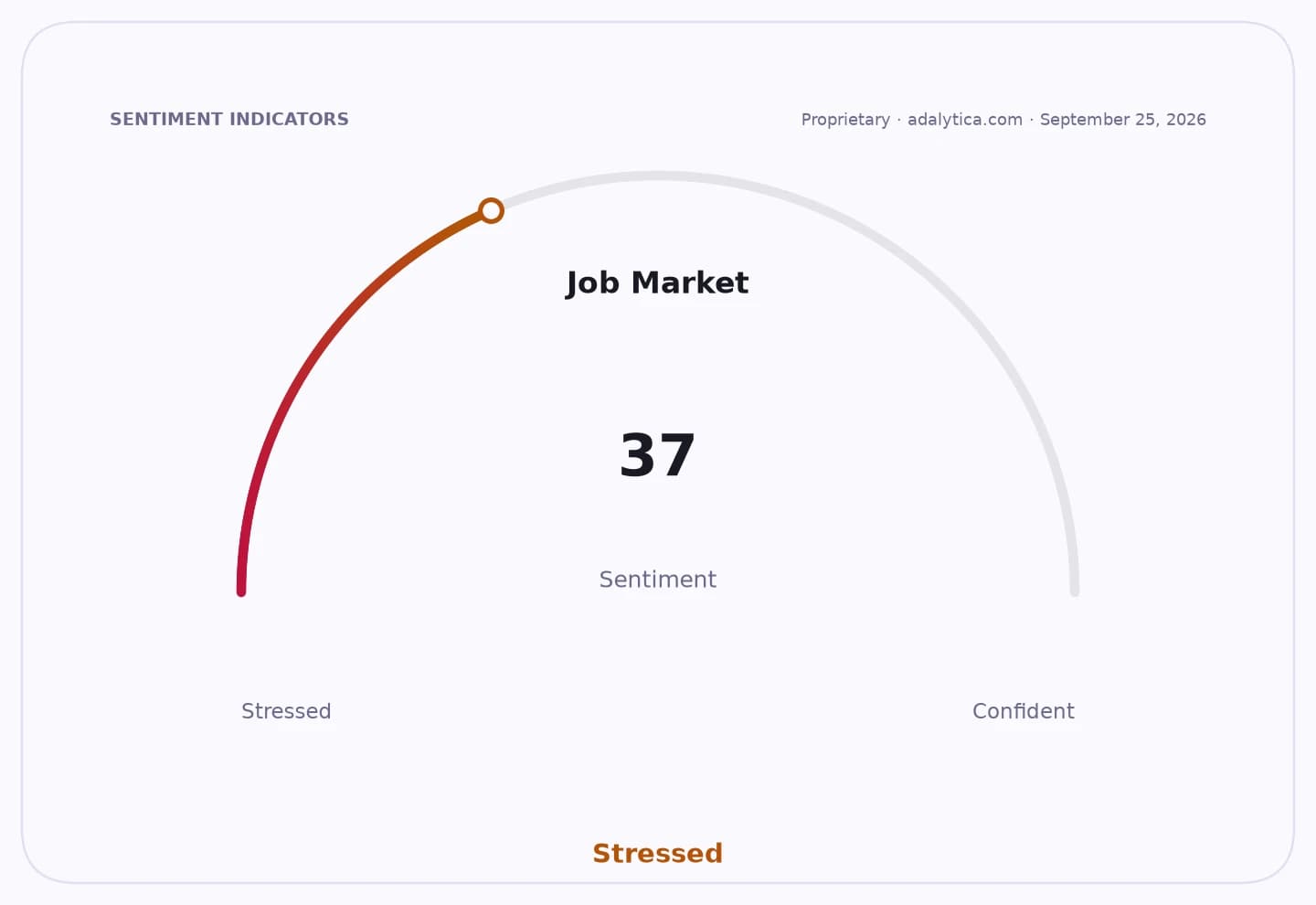
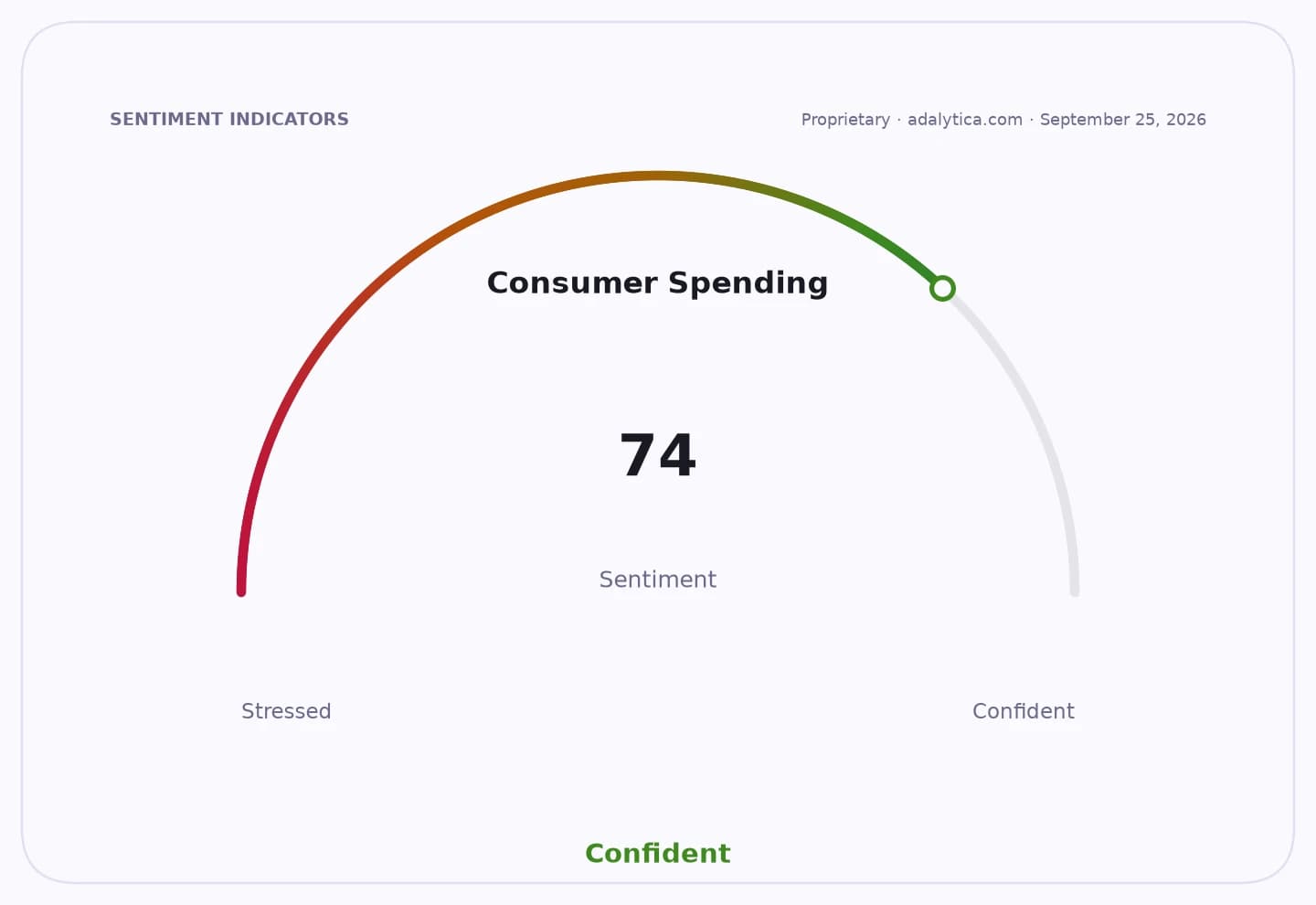
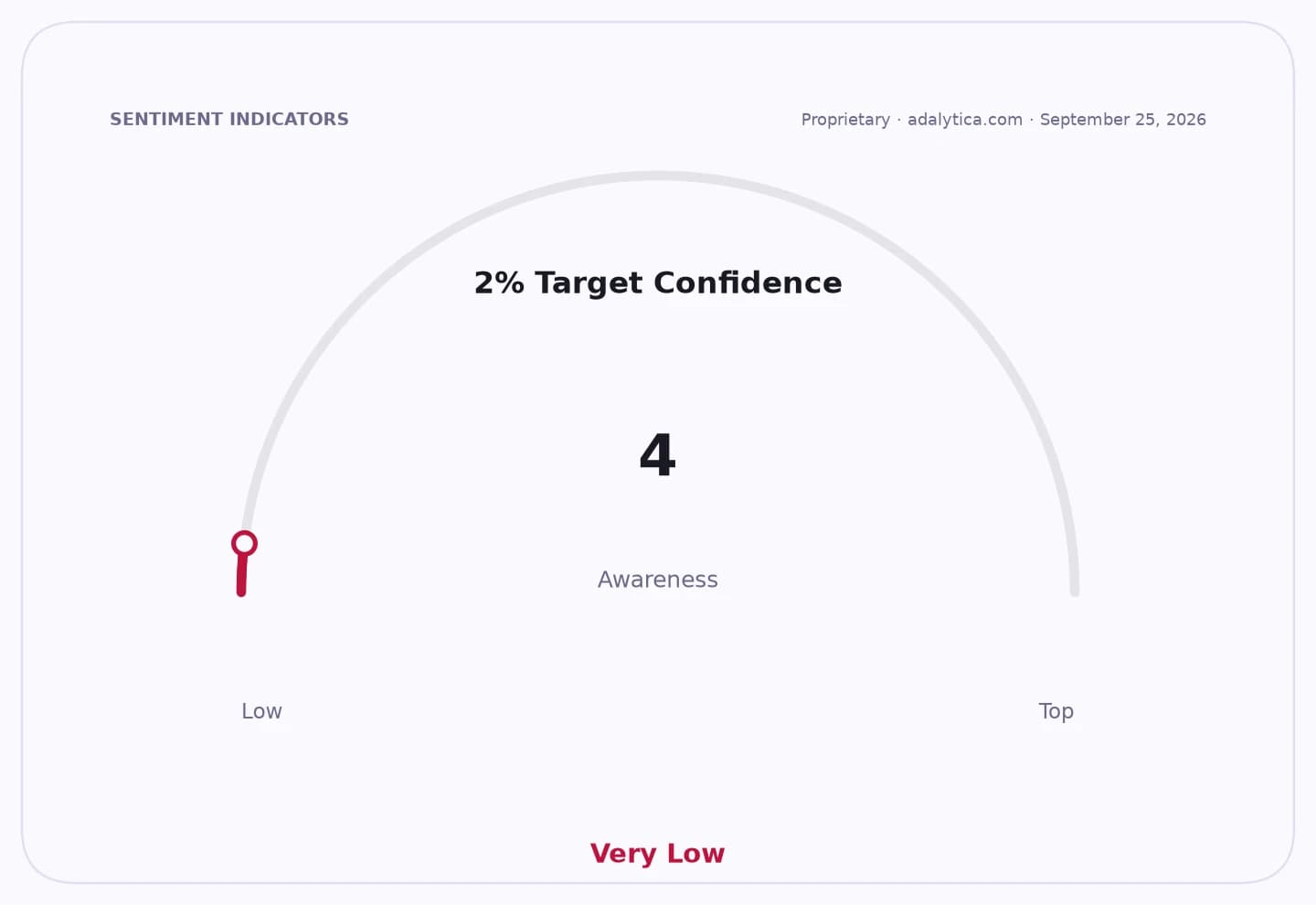
Sentiment IndicatorsⓘProprietary · adalytica.com · July 27, 2026
This is a snapshot — live sentiment, awareness and momentum for 130+ markets update continuously in the dashboard.Open AlphaPulse

The macro backdrop is more supportive than it was a few years ago. Greece’s economy has expanded, unemployment has fallen sharply from crisis highs to around 4.2% in June, and a forecast 4.18% reading for July suggests the labor market remains relatively firm. Inflation, meanwhile, has cooled from the shock of 2026 and is running close to flat in June after a brief uptick in May. Yet the gap between headline economic improvement and disposable income is where the strain is concentrated.
For investors, that split is important. Stronger growth and lower joblessness can support earnings in banks, utilities, retailers and domestic cyclical companies, but persistent deductions limit wage pass-through into spending power. That reduces the upside for consumption-led sectors and raises the risk that any recovery remains too dependent on tourism, exports and public investment to be broad-based. It also helps explain why Greece’s equity story has become more nuanced: the GREK ETF has rallied strongly from late 2025 lows, but technical readings now suggest the move is extended, with the fund trading above its 50-day and 200-day moving averages and RSI no longer showing the oversold conditions that powered the rebound.
The policy issue is increasingly central. Brussels has long pressed Athens to tackle labor-market distortions, while Greek opposition parties have argued that the tax burden on wages is discouraging formal work and weakening take-home pay. The government faces a balancing act: cutting deductions could support household demand and improve labor supply, but it would also narrow fiscal room at a time when Greece still has to protect debt credibility and preserve investor confidence.
The bull case is that lower deductions would unlock more private consumption, support labor participation and make Greece more attractive to workers who have left. The bear case is that unless productivity and the supply of skilled labor improve alongside tax relief, firms will still face shortages and the fiscal cost of reform could slow the broader recovery.
For now, Greece’s challenge is not merely to grow, but to make that growth visible in paychecks. How quickly policymakers can ease the burden on labor will help determine whether the recovery becomes self-sustaining or remains capped by the same tax wall that has long defined Greek wages.
| Entity | Gains | Losses |
|---|---|---|
| Greek workers | ▲Higher take-home pay | ▼Heavy wage deductions |
| Employers | ▲Easier hiring and retention if taxes fall | ▼Higher labor costs under current system |
| Greek economy | ▲Stronger consumption and labor supply | ▼Muted domestic demand |
| Fiscal authorities | ▲Reform room if growth broadens | ▼Revenue from the current tax burden |