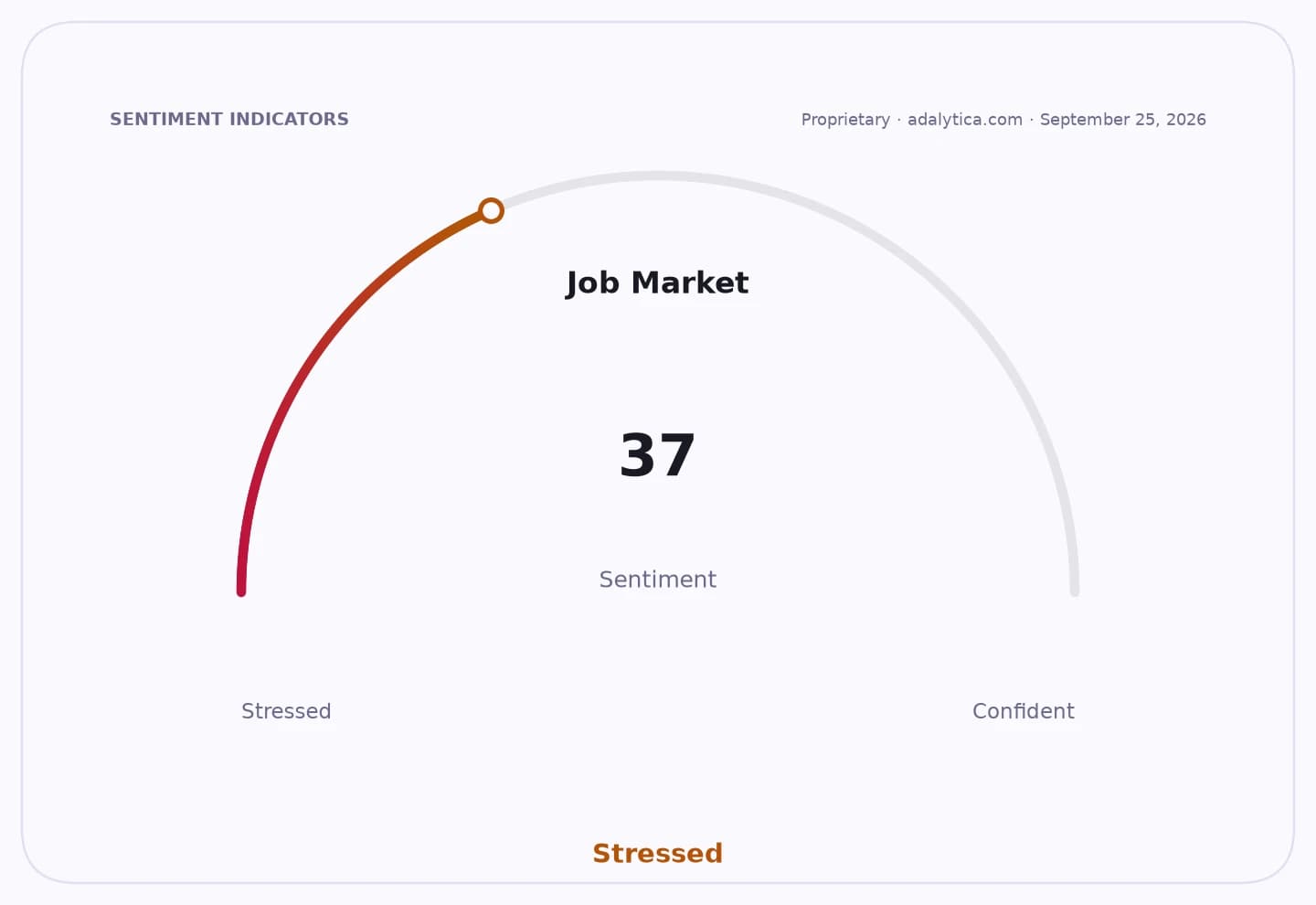
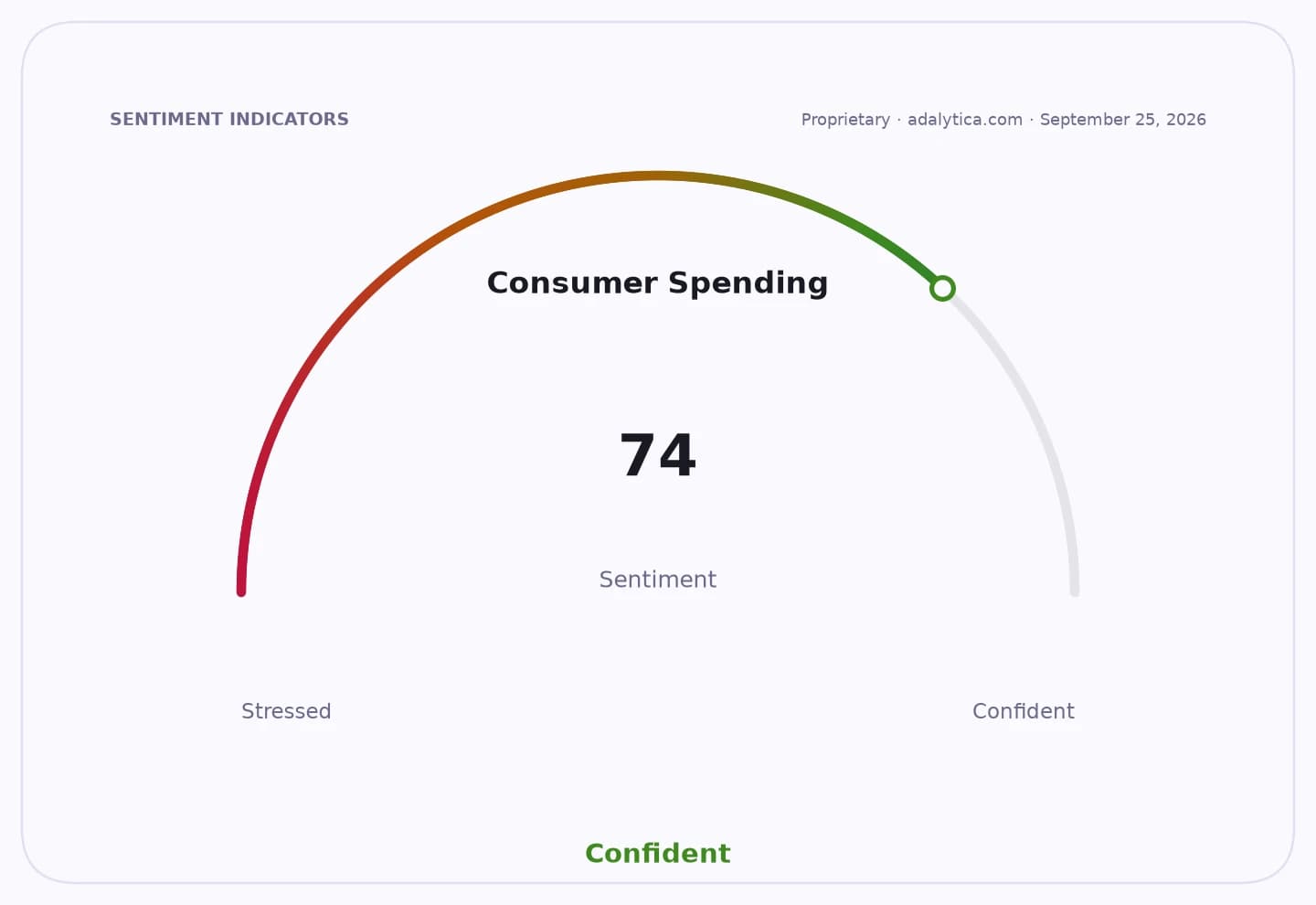
Greek households are the most pessimistic in the euro zone on inflation and growth, underscoring how fragile consumer confidence remains even as the country’s banks and tourism industry are enjoying a stronger run.
Greek Consumer Pessimism Clouds Recovery

The development matters because Greece’s outlook has become a test case for the euro area’s uneven recovery: corporate earnings and visitor spending are improving, but households still see little relief in prices or the broader economy. For the European Central Bank, that split is important. Weak confidence in one of the bloc’s more inflation-sensitive economies tends to weigh on demand and can reinforce disinflationary pressure, especially if consumers hold back spending in anticipation of a weaker labour market or slower wage gains.
Sentiment IndicatorsⓘProprietary · adalytica.com · July 26, 2026
This is a snapshot — live sentiment, awareness and momentum for 130+ markets update continuously in the dashboard.Open AlphaPulse

That caution is notable against a backdrop of relatively stable hard data. Greek tourism revenues rose 25.8% to €5.32 billion in the first five months of 2026, and Morgan Stanley has raised earnings forecasts for Eurobank, National Bank of Greece and Alpha Bank on expectations of robust credit growth. The banking sector is entering earnings season with improving profitability, suggesting the corporate side of the economy is still expanding even if households are not feeling it.
But the pessimism flagged by the ECB points to a more important market question: how durable is the rebound if consumers remain guarded? A banking system can benefit from loan growth and better asset quality, and travel operators can post strong summer figures, yet a depressed household mood can cap retail spending, delay big-ticket purchases and slow the transmission of easier financial conditions into the real economy.
For investors, that creates a split screen. Bullish cases for Greek assets still lean on strong tourism, a healthier banking system and fiscal support from the National Development Program 2026-2030. The bear case is that lingering inflation anxiety and weak confidence keep domestic demand subdued, leaving growth dependent on external flows and vulnerable to shocks such as geopolitics or a widening current account deficit.
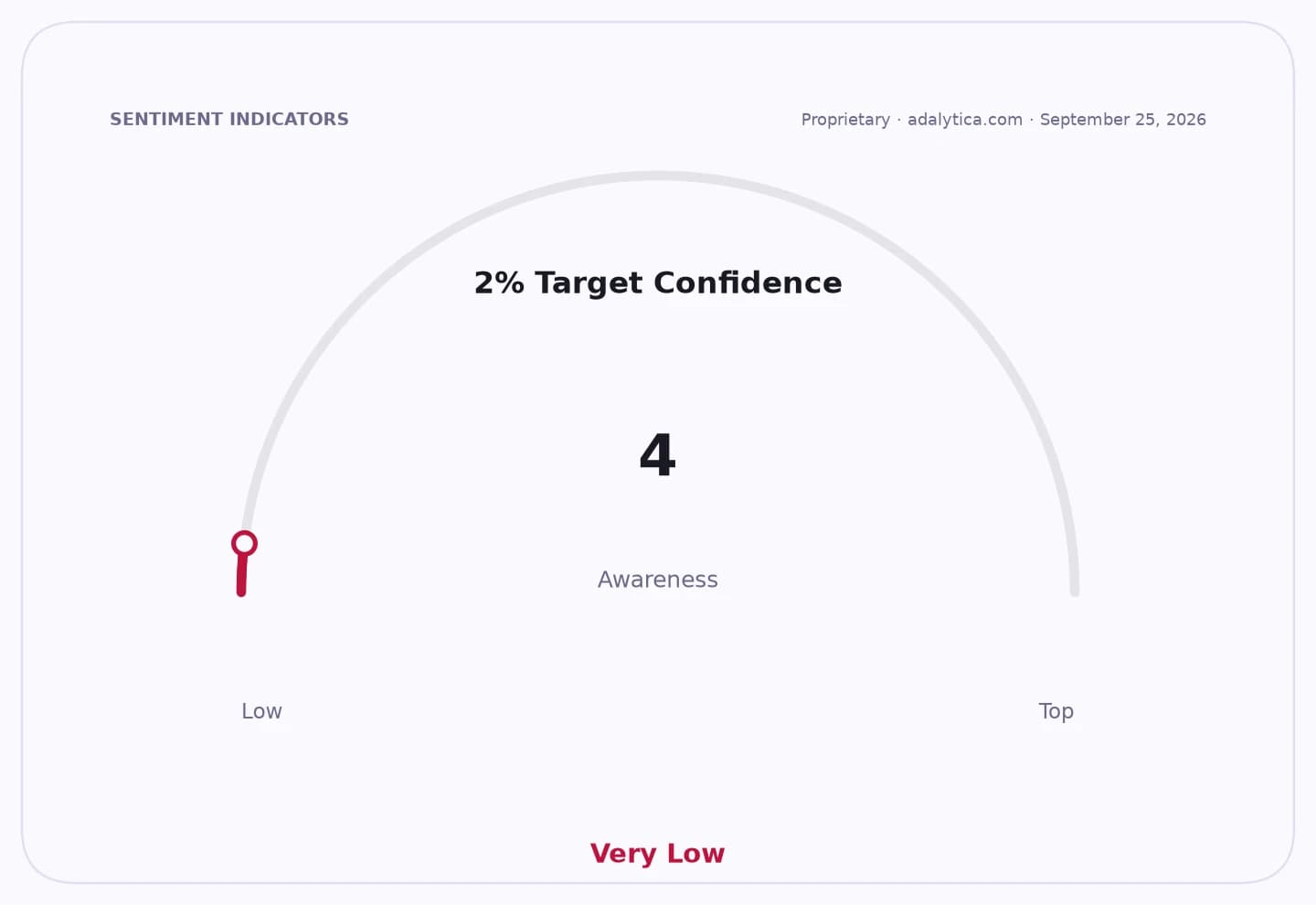
The picture also fits a broader euro-zone narrative: inflation may be easing, but perception often lags reality. Adalytica’s confidence gauge for inflation expectations is in extreme fear, reflecting how quickly market and consumer sentiment can sour when price stability feels uncertain. For the ECB, that means the Greek reading is not just a local datapoint but a reminder that policy credibility still has to be earned in households’ daily experience.
The key implication is that Greece’s recovery may continue to look better in corporate earnings than in consumer attitudes. Until households see firmer real wage gains and steadier prices, the economy’s next leg higher may remain narrower than the headline growth figures suggest.
| Entity | Gains | Losses |
|---|---|---|
| Greek banks | ▲Stronger loan growth | ▼Confidence-sensitive demand |
| Tourism operators | ▲Higher visitor spending | ▼Domestic spending weakness |
| ECB | ▲Softer inflation signal | ▼Persistent demand fragility |
| Greek households | ▲Some relief if prices cool | ▼Real income pressure |