Greek households are spending more on groceries, but they are buying very differently — and that matters for everyone from supermarket chains to food suppliers betting on the country’s consumer recovery.
Greek households shift grocery spending to convenience foods
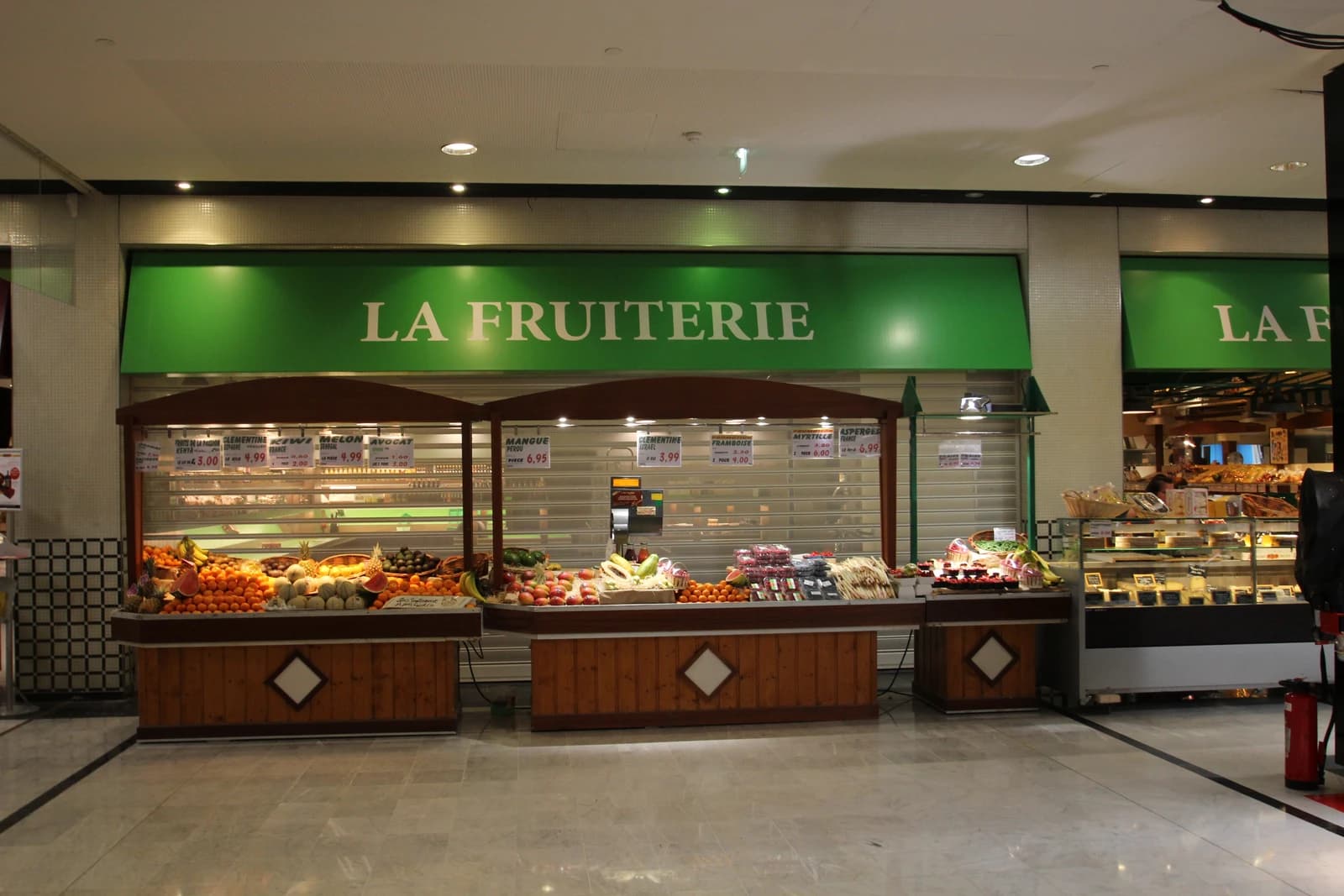
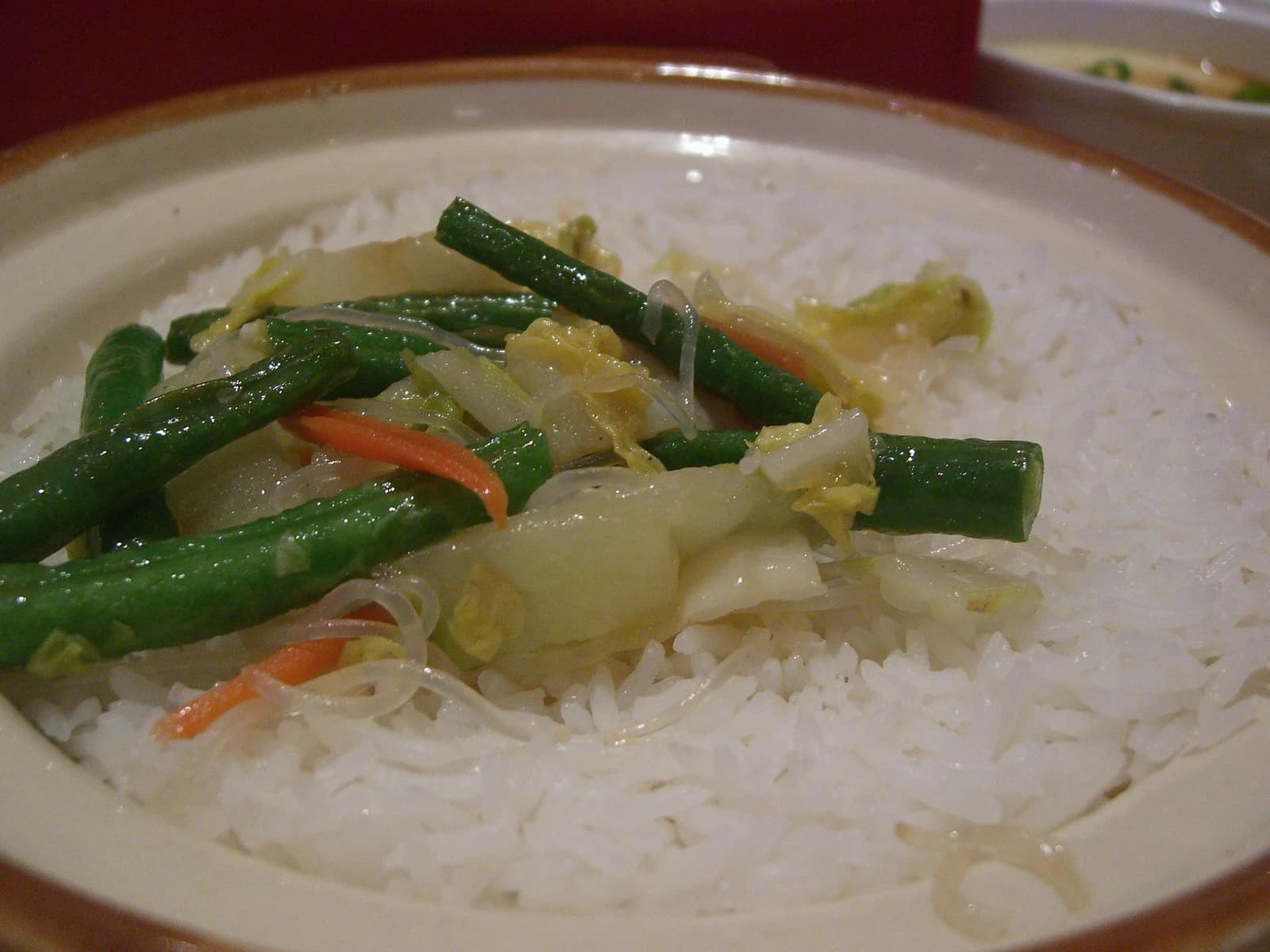
An analysis by Greece’s IELKA retail research institute says annual grocery spending has climbed to about 25.7 billion euros, yet the mix inside that basket is changing fast. Families are cutting back on red meat, full-fat milk, olive oil and sugar while leaning more heavily on ready meals and packaged quick-fix food bought at supermarkets. In other words, the headline number looks resilient, but the underlying story is one of pressure, trade-down and convenience.
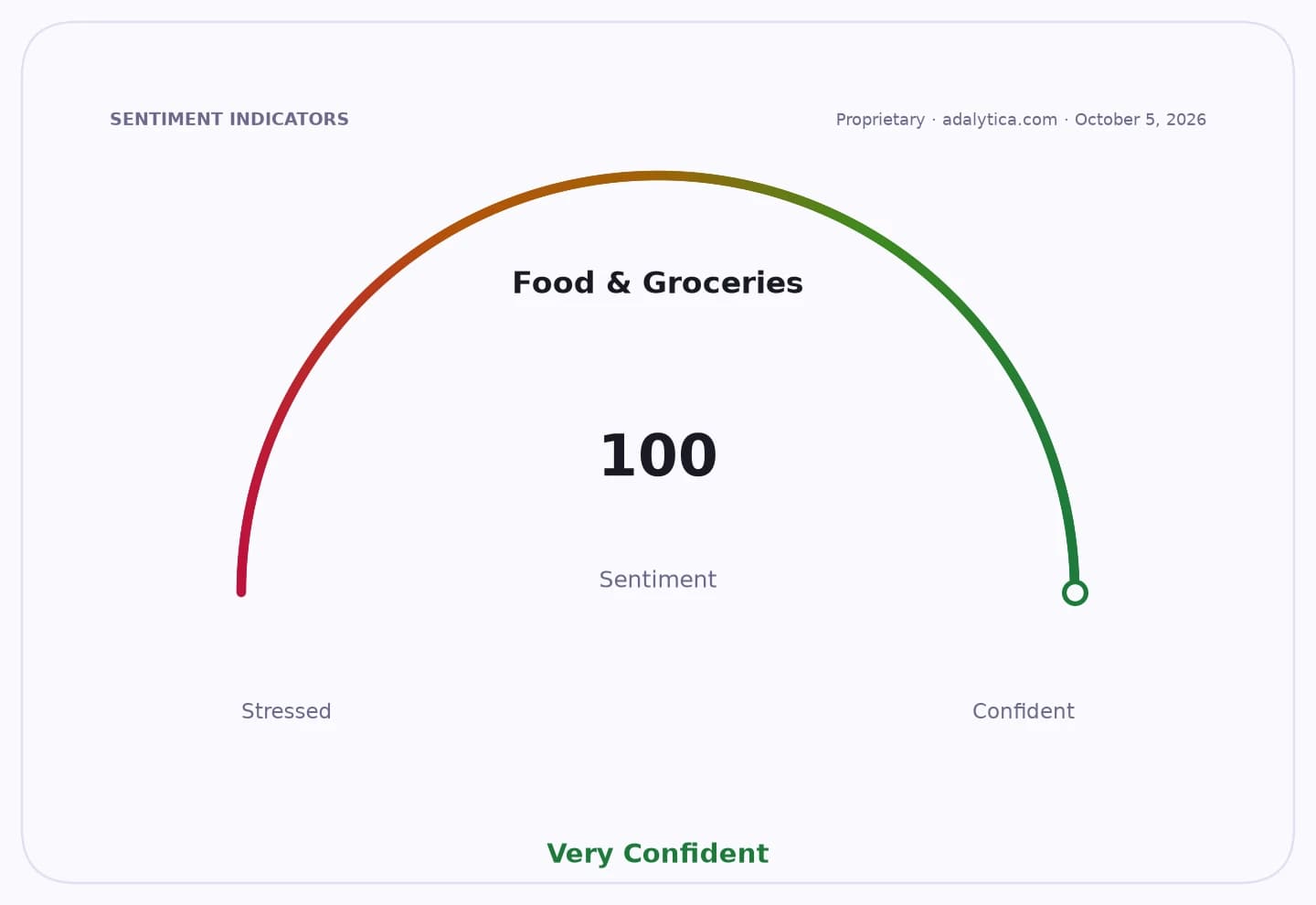
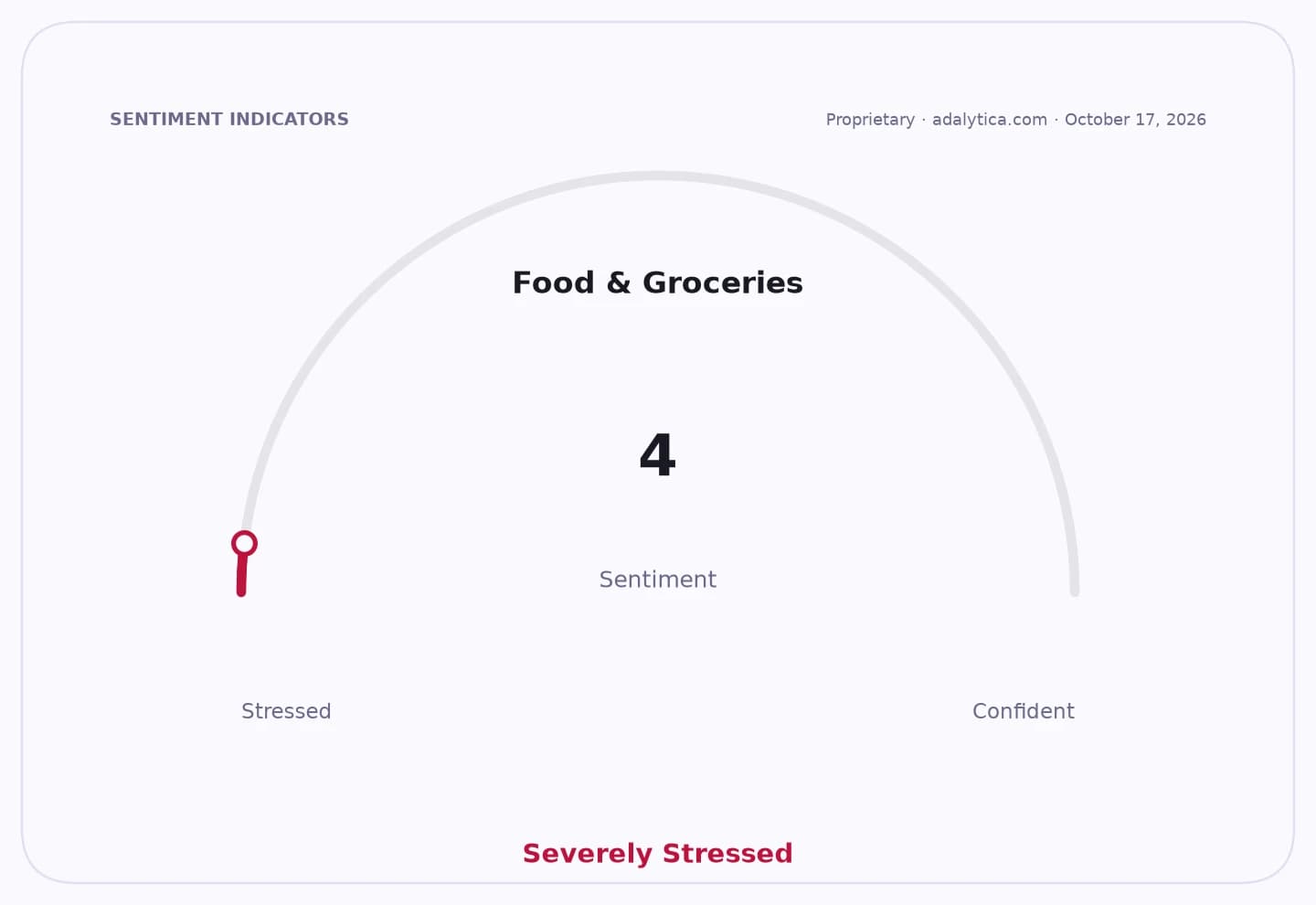
Sentiment IndicatorsⓘProprietary · adalytica.com · October 17, 2026
This is a snapshot — live sentiment, awareness and momentum for 130+ markets update continuously in the dashboard.Open AlphaPulse
That shift is economically important because it shows how inflation and housing costs are reshaping everyday consumption long after the worst of the financial crisis faded. IELKA said per-capita spending has recovered to 9,216 euros in 2025 from a low of 6,267 euros in 2020, but real purchasing power remains well below pre-crisis levels once inflation is taken into account. Housing now absorbs 14.7% of total spending, up from 11.8% in 2008, leaving less room in family budgets for discretionary food choices.
For investors, the implications are straightforward. Grocers and packaged-food companies that can deliver value, private-label products and ready-to-eat meals stand to benefit as shoppers prioritize price and convenience. Those exposed to higher-ticket staples such as red meat or premium cooking ingredients may face softer demand, even if total grocery traffic holds up.
The broader message is that Greek consumers are not simply spending less; they are reallocating their budget toward the cheapest reliable calories and the most time-saving products. That usually favors supermarkets with strong own-label ranges, aggressive promotions and ready-meal assortments, while rewarding suppliers that can protect margins without pushing prices beyond what households will bear.
For long-term investors, that makes the grocery channel in Greece a story about adaptation, not collapse. The households are still buying, but they are buying defensively — and companies that align with that reality are the ones most likely to compound value over time.
| Entity | Gains | Losses |
|---|---|---|
| Supermarkets with private label | ▲More traffic and basket flexibility | ▼Premium-only assortments |
| Ready-meal and convenience food suppliers | ▲Rising demand | ▼Traditional meal ingredients |
| Red meat, olive oil, full-fat milk | ▲— | ▼Volume pressure from trade-down |
| Greek households | ▲Lower-cost meal options | ▼Buying power and food quality choices |