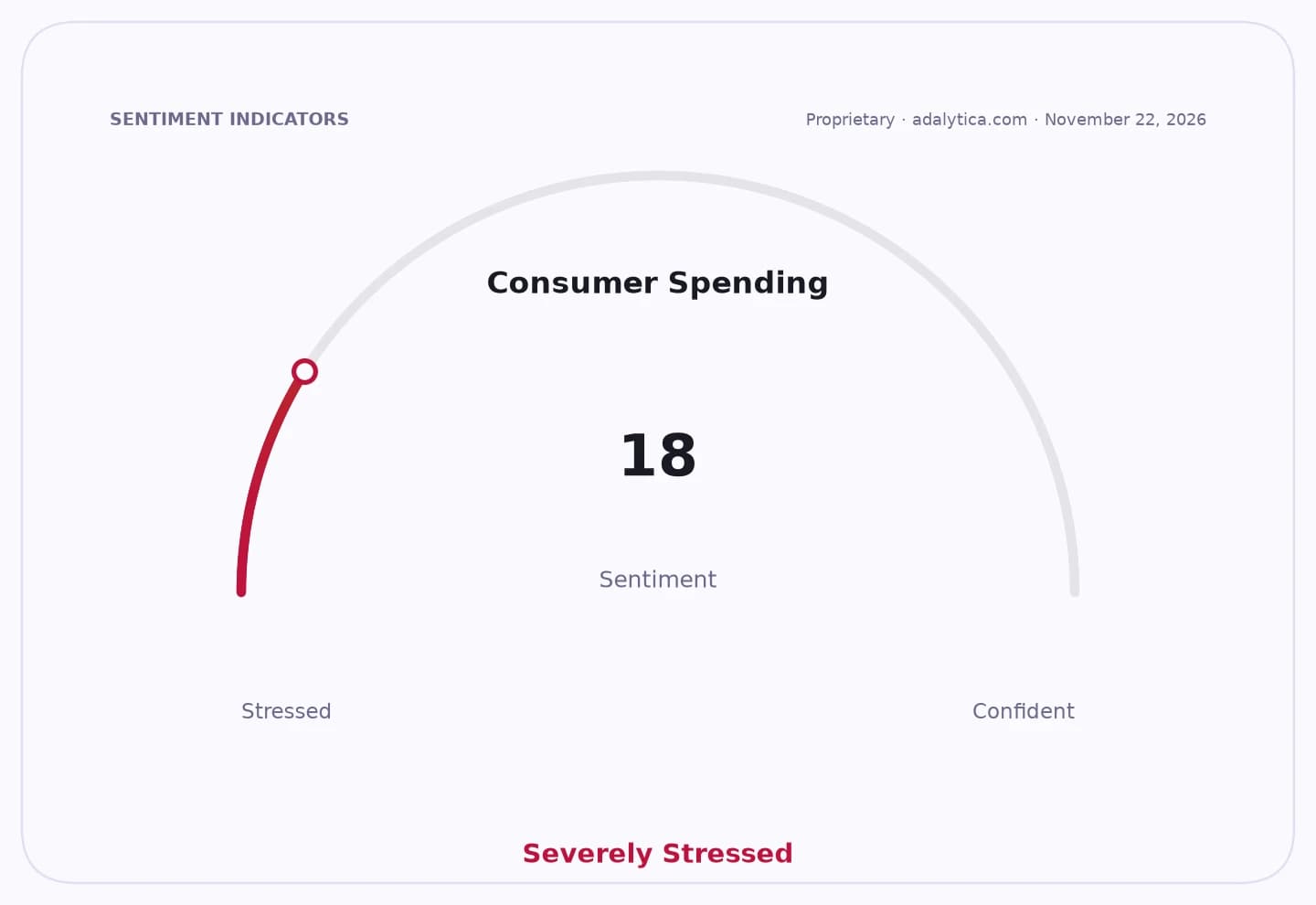
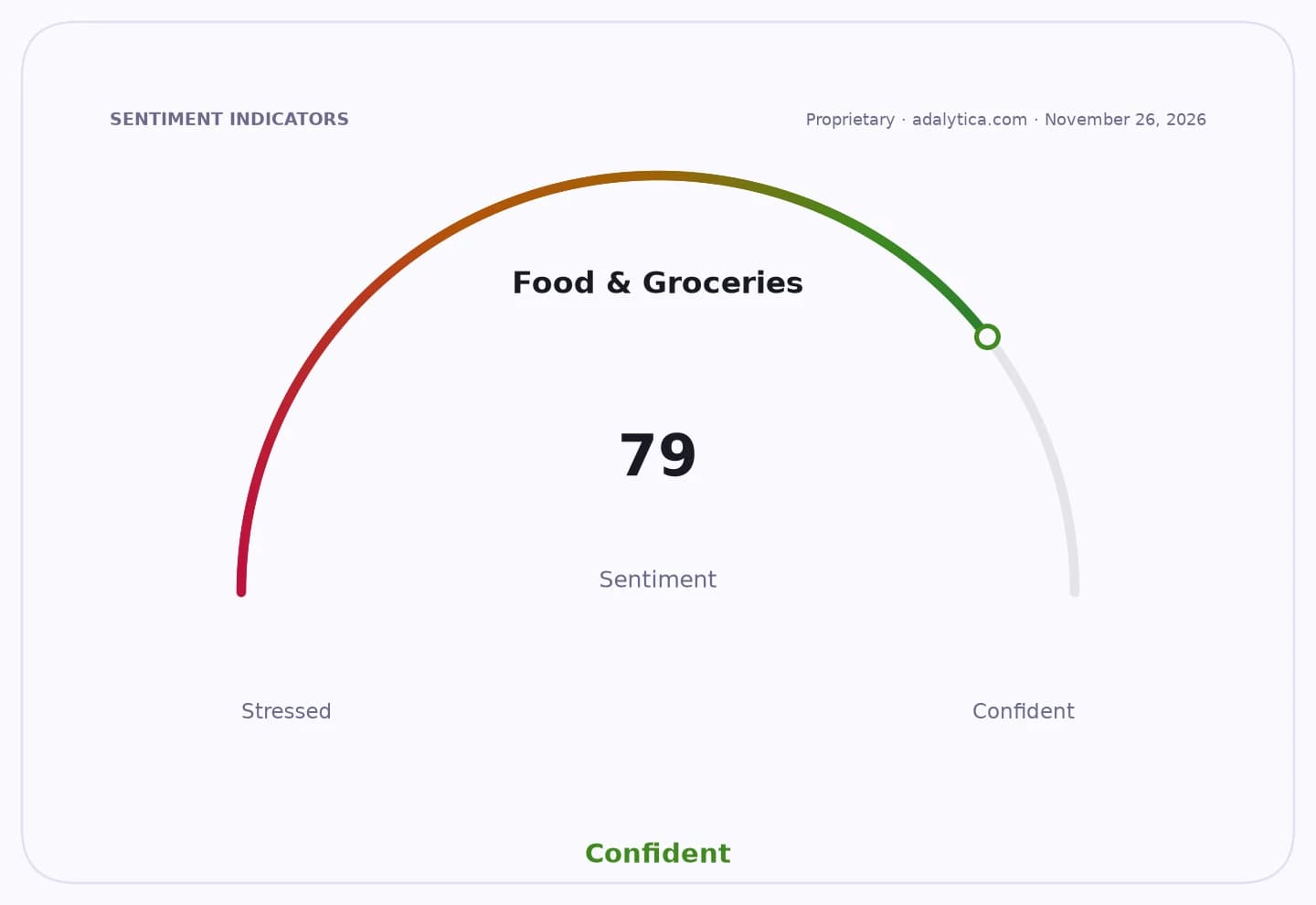
Americans are increasingly borrowing to cover groceries, a sign that even after inflation has cooled from its peak, the cost of everyday essentials is still straining household finances and raising the risk of a broader credit slowdown.
Groceries on Credit Pressure Consumers and Banks
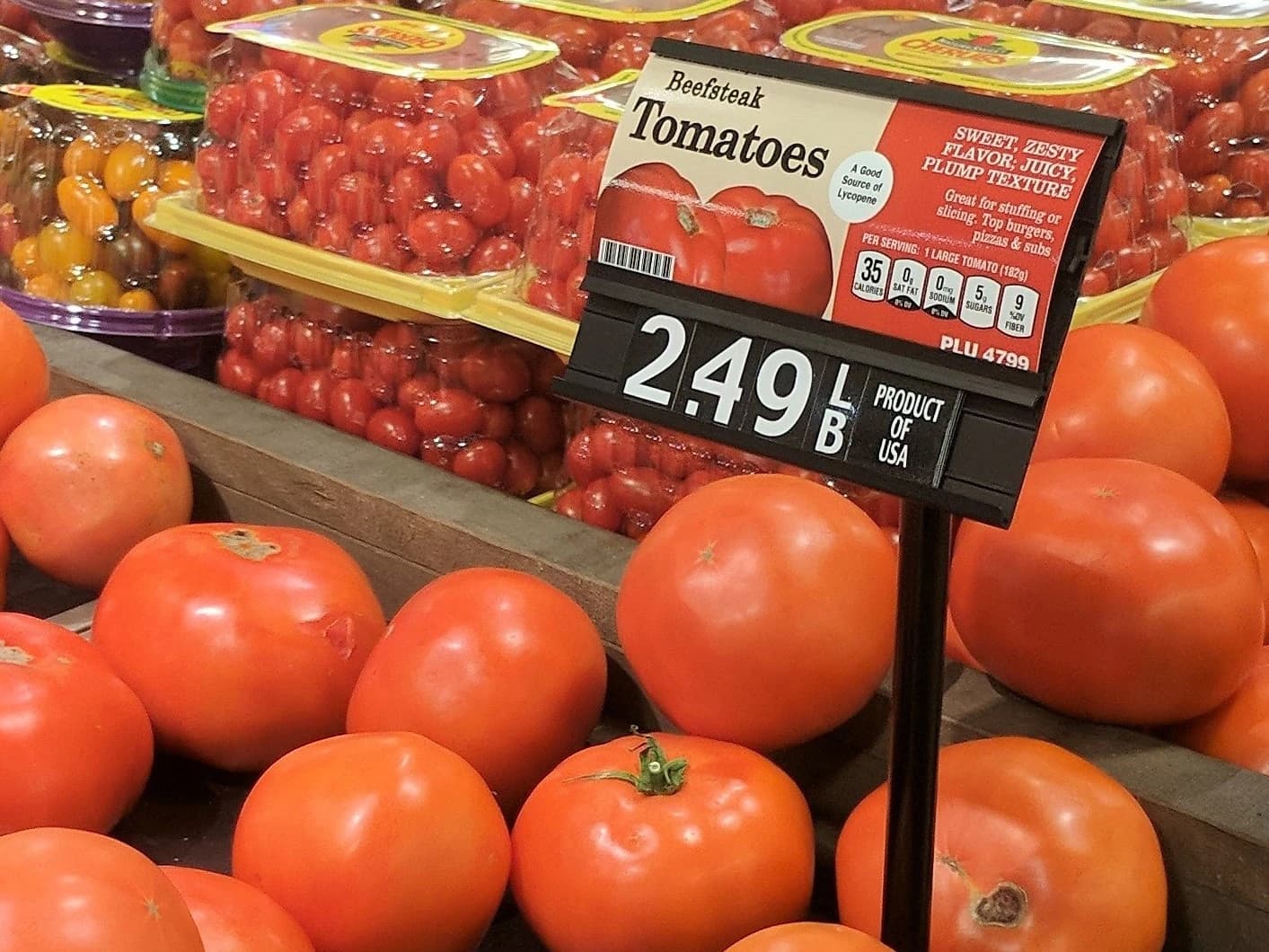
That matters because food spending is usually the last budget item families want to finance with debt. When people start leaning on credit cards or loans for groceries, it suggests wages are not keeping up with living costs for a meaningful slice of consumers, especially as borrowing rates remain elevated. In practical terms, that can push more households into revolving debt, lift delinquency risk and force lenders to become more selective just as the economy is trying to settle into a softer landing.
Sentiment Indicators
The macro backdrop helps explain why the pressure has not fully gone away. Consumer prices have climbed to 337.476 in October from 333.979 in May, according to the data provided, while the unemployment rate is still running near 4.1%, a level that looks healthy on the surface but does not erase the strain from years of cumulative price increases. Even small monthly gains in the consumer price index can matter when families are already stretched and are buying necessities every week.
For investors, the story is less about one month of inflation and more about the shape of demand. If consumers are using debt to buy groceries, it implies that spending power is becoming more fragile beneath the headline strength of retail sales and employment. That can support grocers and discount chains that benefit from value-seeking shoppers, but it also raises warning flags for banks, credit-card lenders and any company dependent on low-income consumer resilience.
The stock market is already picking up on the divide. Walmart has been volatile but remains well above its 200-day moving average, with shares recently trading near $132 and momentum indicators showing strong buying interest. Costco has also pushed to fresh highs near $1,087, with its 50-day moving average above its 200-day average, reflecting investors’ preference for retailers that can win trade-down shoppers without sacrificing scale. Kroger, meanwhile, has rebounded into the high $60s after a midyear slide, suggesting investors still see room for defensive grocery names to hold up if household budgets stay tight.
The credit side of the economy is where the caution becomes more concrete. Bad debt at many banks has been rising faster than loan growth, according to the supplied context, driven by higher lending rates that are increasing repayment stress. If borrowing for groceries becomes more common, lenders may face more delinquency in the very types of unsecured loans that are most vulnerable when disposable income is squeezed.
That leaves investors with a clear long-term takeaway: this is not just a consumer story, it is a balance-sheet story. The winners are likely to be the companies that sell necessities efficiently or help shoppers stretch dollars; the losers are the lenders and discretionary businesses that depend on households having room left after the essentials are paid for. For patient investors, that argues for favoring resilient retailers and diversified portfolios over chasing the most cyclical names. It is worth watching, because grocery debt is often what stress looks like before the broader economy admits it.
| Entity | Gains | Losses |
|---|---|---|
| Walmart | ▲Trade-down traffic | ▼Margin pressure |
| Costco | ▲Bulk-value demand | ▼Higher expectations |
| Kroger | ▲Defensive grocery sales | ▼Weak household budgets |
| Banks | ▲Short-term loan growth | ▼Higher bad debts |