A planned AI supercomputer in Groningen is moving onto the Zernike Campus, underscoring how quickly Europe is trying to build the physical infrastructure needed to keep pace in artificial intelligence.
Groningen AI Supercomputer Moves to Zernike Campus
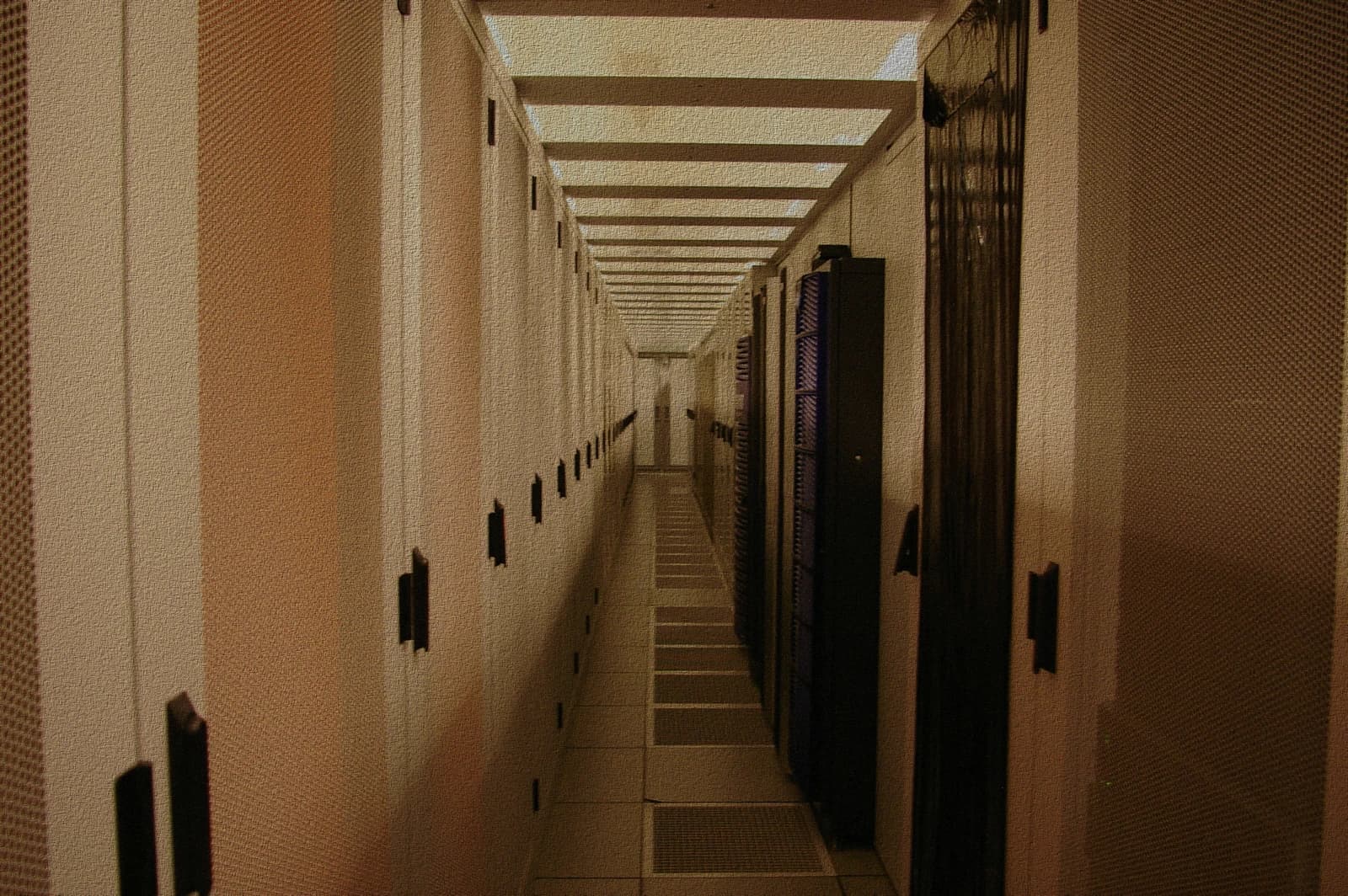
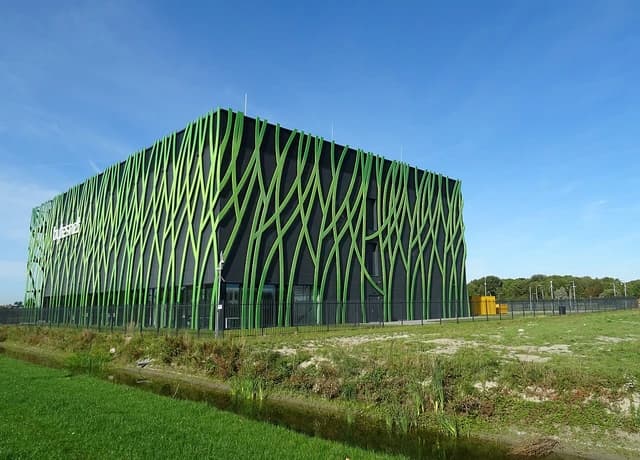
The decision to place the machine near Eurofiber’s data center is more than a local land-use update. It points to the way AI development is becoming a race for power, connectivity and low-latency computing capacity, with campuses that can host dense digital infrastructure gaining strategic value. For the Netherlands, the project adds to a broader push to position regional hubs outside the continent’s biggest legacy technology corridors.
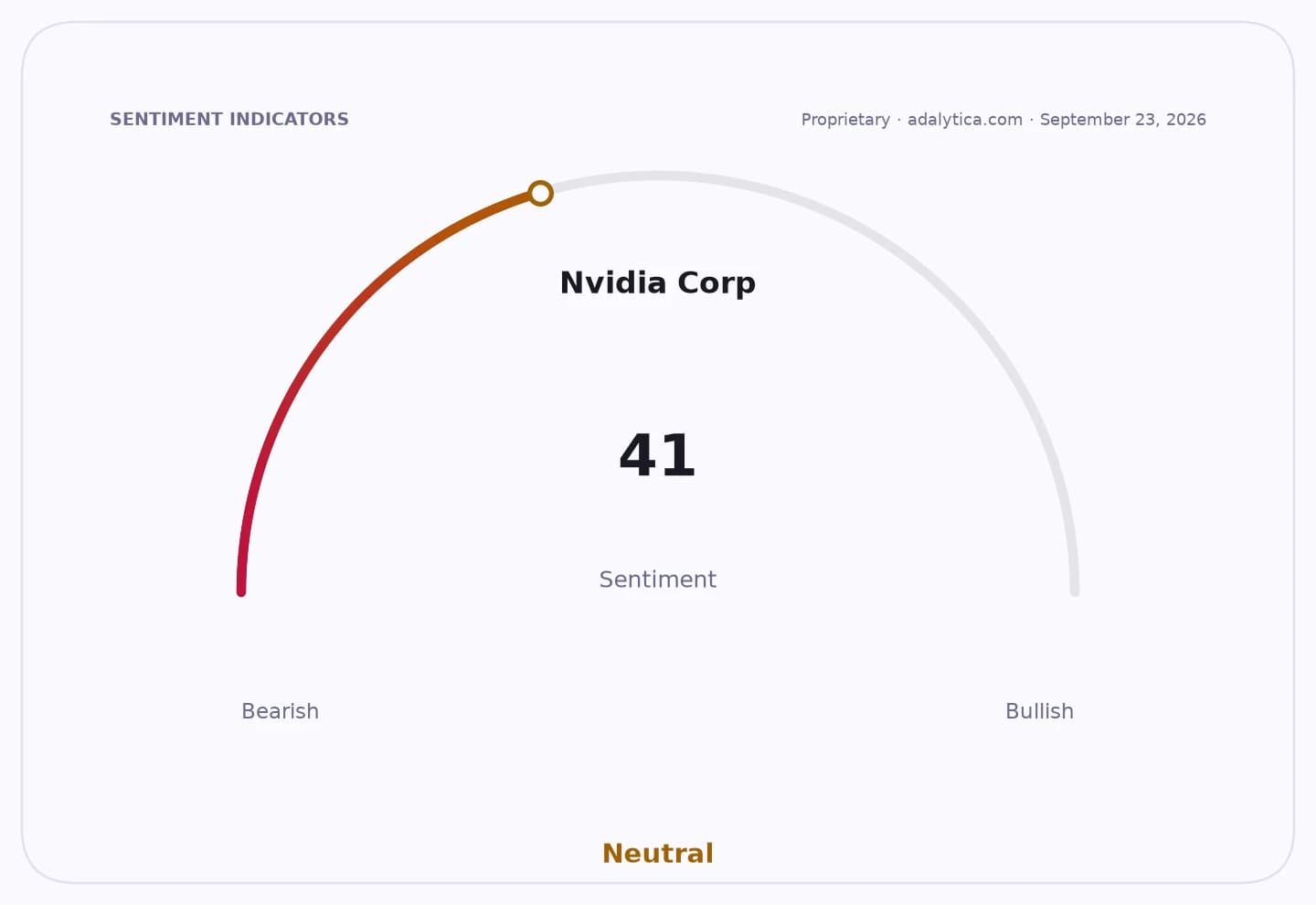
Sentiment IndicatorsⓘProprietary · adalytica.com · September 25, 2026
This is a snapshot — live sentiment, awareness and momentum for 130+ markets update continuously in the dashboard.Open AlphaPulse
That matters economically because AI infrastructure has become a capital-intensive public-private investment theme, pulling in telecoms, data-center operators, cloud providers and municipalities that want to attract high-value digital activity. Europe has been under pressure to close the gap with the U.S. and parts of Asia, where hyperscalers have been building out compute faster and at larger scale. A project like Groningen’s, if executed, could support research, startups and industrial users that need access to advanced processing power without relying entirely on foreign cloud capacity.
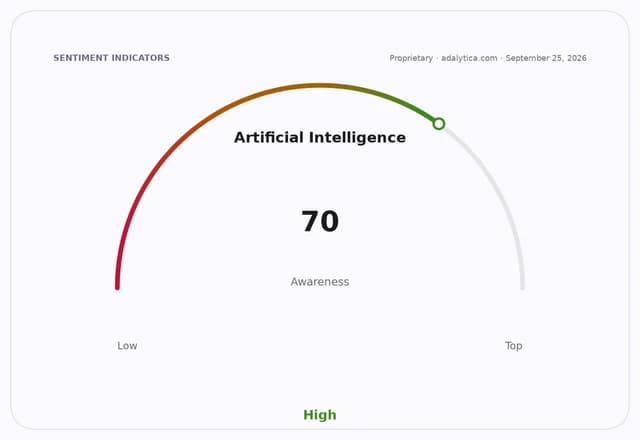
Investors are watching these projects not just for direct revenue potential but for the ecosystem they create. Data-center landlords, fiber providers and power-linked infrastructure operators tend to benefit when AI deployments move from pilot phase to permanent buildout. Equinix, for instance, has seen its shares climb sharply over the past year even as technical readings on the stock have turned more mixed, a reminder that the AI infrastructure trade has already been priced for substantial growth. The broader AI complex remains a sensitive market theme, with sentiment around the sector still neutral despite elevated awareness, suggesting investors are waiting for clearer evidence that infrastructure spending is translating into durable returns.
At the same time, the expansion of AI computing is colliding with tougher questions about energy use, land availability and public acceptance. Recent regulatory scrutiny around data-center pollution in the U.S. shows that the sector’s next phase will not be determined by demand alone. European policymakers are likely to face the same tension: support AI capacity or slow it with environmental constraints. Groningen’s campus placement fits into that debate because it concentrates the benefits of digital investment while also concentrating the burden on local power and infrastructure systems.
For investors, the key question is whether Europe can turn scattered AI projects into a scalable industrial base. If Groningen becomes a template, more regional campuses could capture work in compute, connectivity and adjacent services. If permitting, power or environmental resistance slows the rollout, the AI buildout may remain concentrated in a handful of better-resourced hubs, leaving smaller regional players with little more than headlines.
| Entity | Gains | Losses |
|---|---|---|
| Groningen / Zernike Campus | ▲Digital investment, prestige | ▼Local infrastructure strain |
| Eurofiber | ▲Data-center adjacency, traffic growth | ▼Higher capacity demands |
| AI infrastructure investors | ▲More buildout opportunities | ▼Higher regulatory risk |
| Local residents / regulators | ▲Potential economic activity | ▼Noise, power, environmental pressure |