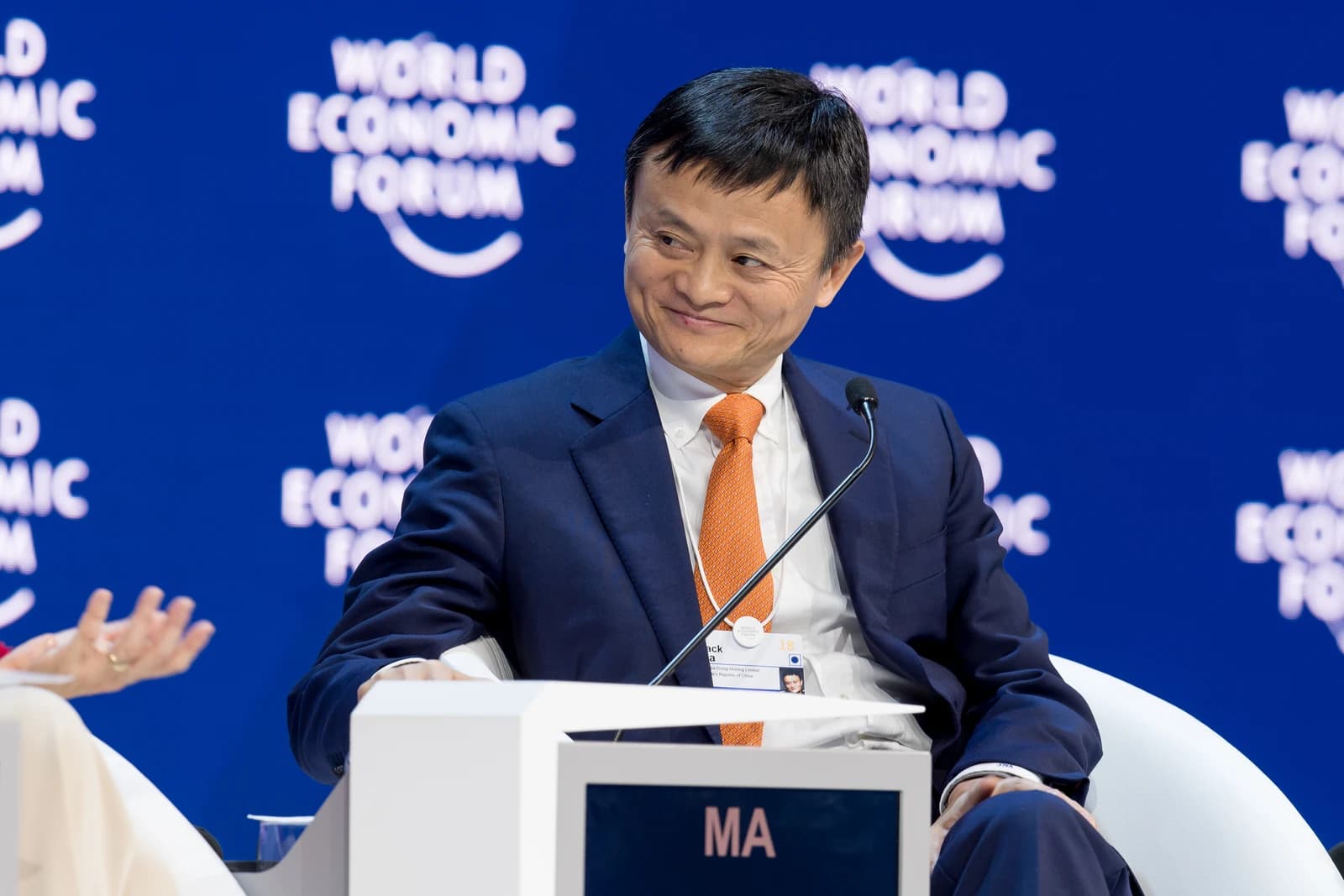
African lenders are leaning on debt guarantees to make infrastructure projects bankable for private investors, a shift that could help ease one of the continent’s biggest funding bottlenecks as borrowing costs stay elevated globally.
Guarantees Could Unlock African Infrastructure Funding
The timing matters. U.S. Treasury yields are still anchored around 4.6% on the 10-year and 4.3% on the 2-year, keeping global financing conditions tight even as oil hovers near $85 a barrel and capital remains selective. For African sovereigns and project sponsors, that makes credit enhancement more valuable: guarantees can lower risk enough to bring in pension funds, insurers and asset managers that would otherwise stay on the sidelines.
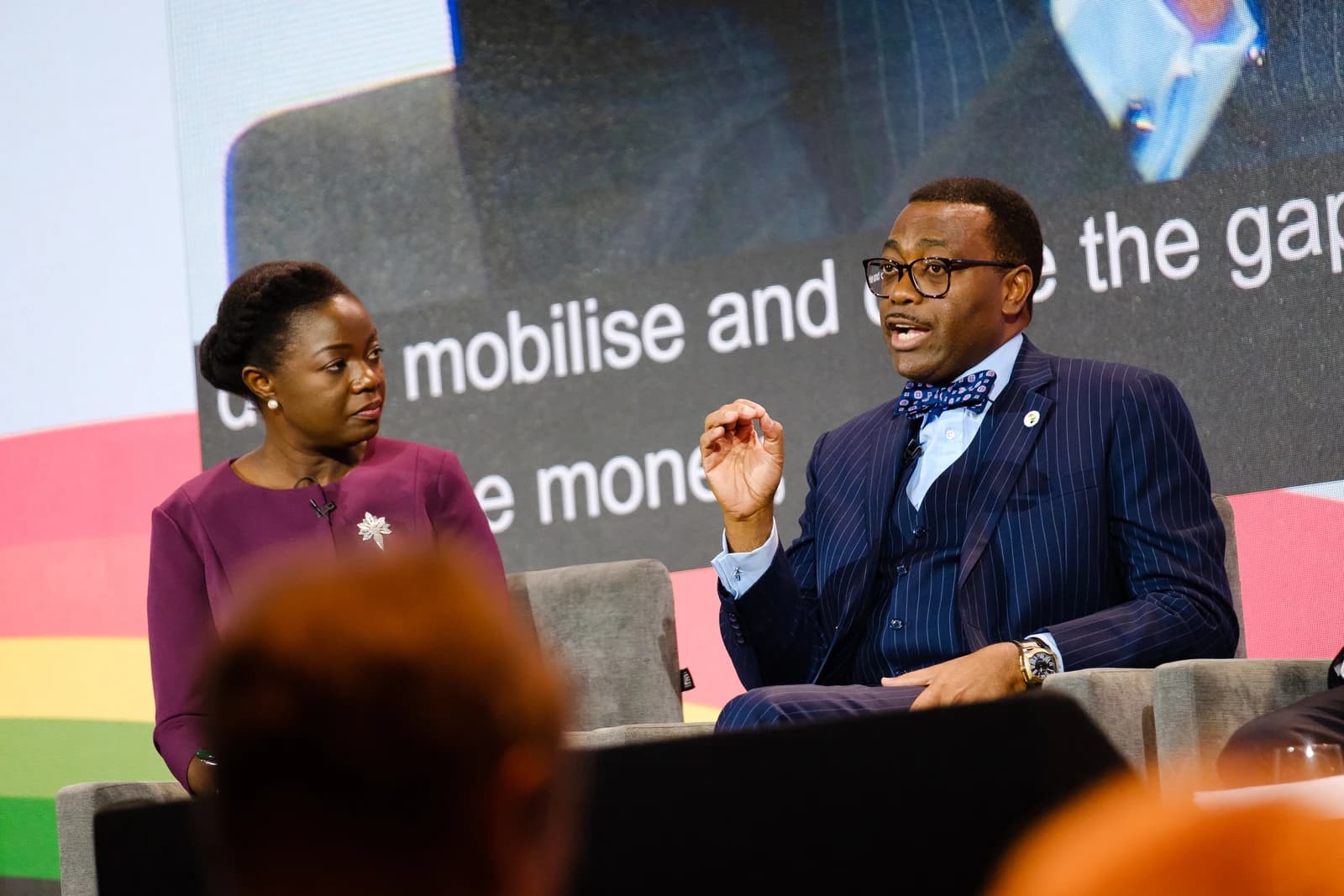
Sentiment IndicatorsⓘProprietary · adalytica.com · July 23, 2026
This is a snapshot — live sentiment, awareness and momentum for 130+ markets update continuously in the dashboard.Open AlphaPulse
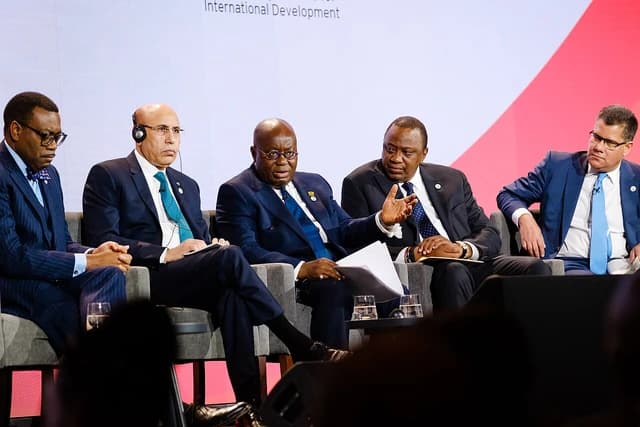
The model is especially important for infrastructure, where long-dated cash flows often struggle to compete with higher-yielding, lower-risk assets in developed markets. By wrapping projects in guarantees from multilateral institutions, development lenders or export-credit agencies, African banks can widen the pool of lenders and push down the cost of capital for roads, power plants, ports and telecom networks.
That has direct implications for banks and investors. Lenders can originate more deals without loading up on the full credit risk, while private capital gets exposure to higher-growth markets with some downside protection. BlackRock, which has been pursuing more infrastructure and private-market exposure globally, has seen its shares trade with strong momentum recently, while South Africa-focused ETF EZA and broader emerging-market ETF EEM have both stayed well above their longer-term moving averages despite recent pullbacks, suggesting investors still want selective emerging-market exposure when the risk-reward improves.
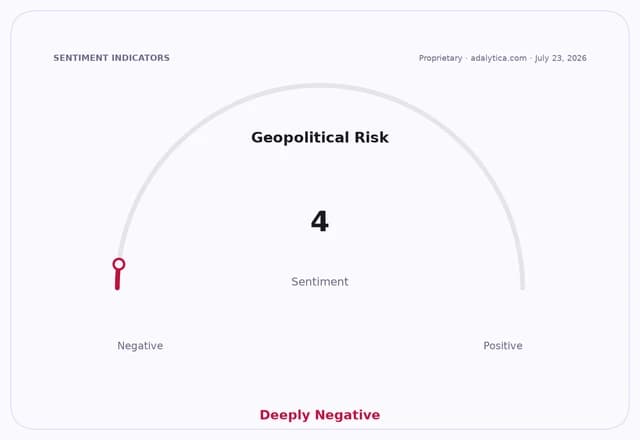
The broader backdrop is one of rising caution, not rising appetite. Adalytica’s Global Stability Sentiment gauge shows “Extreme Fear” at 4, even as awareness remains “Extreme Greed,” a sign that investors are watching geopolitical and macro risks closely but still tracking opportunities. That makes credit guarantees a useful bridge: they do not remove country risk, but they can make projects investable in a market where risk aversion is still high.
The key question now is scale. If guarantees can be standardized and deployed faster, they could unlock more private funding for African infrastructure and reduce pressure on public balance sheets. If not, the region’s financing gap will remain dependent on scarce development finance and government borrowing.
| Entity | Gains | Losses |
|---|---|---|
| African banks | ▲More deal flow, lower credit risk | ▼Less direct spread capture |
| Private investors | ▲Protected exposure to higher returns | ▼Lower upside without guarantees |
| Governments/project sponsors | ▲Cheaper infrastructure funding | ▼More disclosure and covenant constraints |
| Multilateral lenders | ▲Greater influence and leverage | ▼More contingent liability exposure |