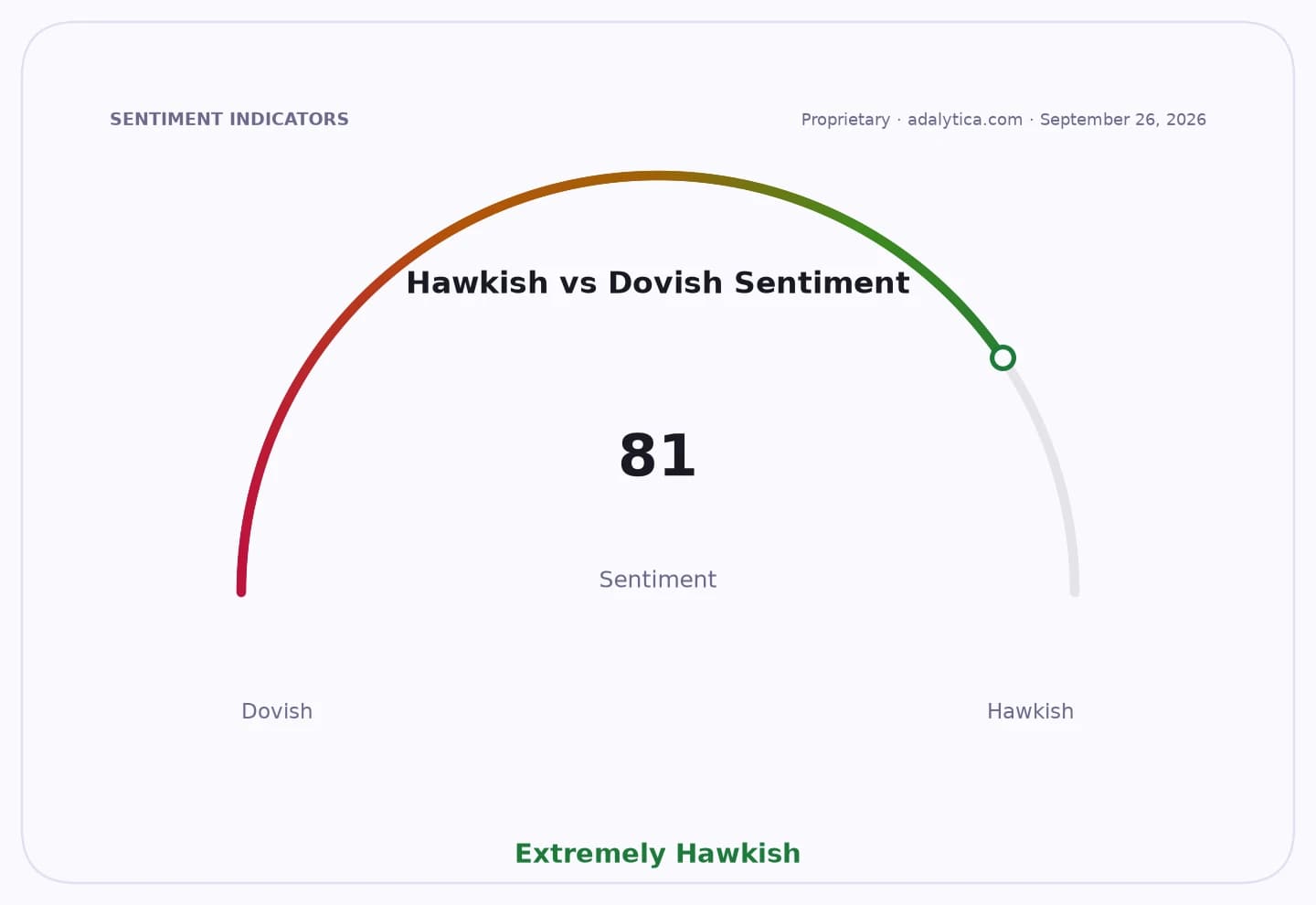
Fuel costs in Guatemala are set to rise with the recent rebound in oil prices, but still-moderate inflation is giving policymakers some room to maneuver rather than forcing an immediate policy response.
Guatemala Faces Fuel Cost Pressure as Oil Rebounds
That matters because Guatemala, like most import-dependent Central American economies, is exposed to swings in crude through transport costs, electricity generation and retail fuel prices. A sustained move higher in oil would usually feed quickly into headline inflation, squeeze household purchasing power and pressure the central bank to lean more hawkish. For now, however, the inflation backdrop appears manageable enough to soften the impact and keep room for targeted fiscal or administrative measures if fuel prices climb further.
Sentiment IndicatorsⓘProprietary · adalytica.com · July 21, 2026
This is a snapshot — live sentiment, awareness and momentum for 130+ markets update continuously in the dashboard.Open AlphaPulse

Oil has firmed again after a sharp mid-year selloff. U.S. crude was trading at $84.54 a barrel on July 21, up from $82.49 on July 17 and more than 30% above its July 8 low of $65.14, according to the data. The U.S. oil ETF, USO, has tracked the move, rising to 128.85 on July 21 from 106.29 on June 24. The jump suggests energy markets are still vulnerable to geopolitical shocks and supply concerns even after recent volatility.
For Guatemala, the key question is not whether imported fuel becomes more expensive, but how much of that increase gets passed through to consumers and businesses. If inflation remains contained, authorities may have more flexibility to delay adjustments to fuel taxes, transport tariffs or subsidy schemes, limiting the pass-through to food and broader consumer prices. If the oil rally extends, that window narrows quickly.
DCOILWTICO vs CPIAUCSL — macro contextadalytica.com
Explore this data interactively — full history, time series and cross-market comparisons.Open AlphaPulse
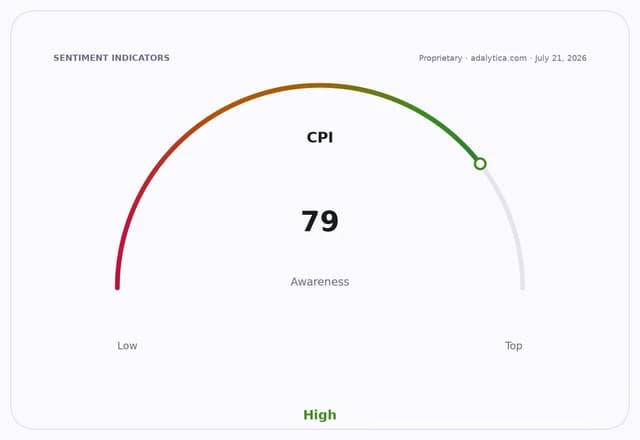
Investors will watch the balance between energy inflation and domestic price stability. A benign inflation backdrop would support local assets by reducing pressure on interest rates and consumer demand. But higher fuel costs would still be a headwind for airlines, transport firms and retailers, while benefiting energy producers and commodity-linked assets. In the broader market, the rise in crude also reinforces the case for defensive positioning in oil-sensitive emerging markets.
The near-term outlook hinges on whether crude stabilizes near current levels or pushes higher from here. If it does, Guatemala’s inflation cushion may prove temporary, and the country could face a more visible squeeze on growth and household spending.
| Entity | Gains | Losses |
|---|---|---|
| Oil exporters | ▲Higher revenue | ▼— |
| Guatemalan consumers | ▲— | ▼Higher fuel costs |
| Local policymakers | ▲More room to respond | ▼Rising pass-through risk |
| Transport and retail sectors | ▲— | ▼Margin pressure |