Guotai Haitong Securities’ subsidiary has tapped the medium-term debt market for 500 million yuan, a reminder that China’s biggest financial groups are still able to fund themselves even as the country’s broader credit backdrop turns more fragile.
Guotai Haitong Raises Funding as Credit Stays Fragile

That matters because funding access is the lifeblood of broker-dealers. A successful medium-term note sale gives Guotai Haitong another source of balance-sheet liquidity at a time when Chinese markets are contending with weak confidence in the yuan, pressure on debt sustainability and a policy environment that is still trying to support growth without triggering fresh financial stress.
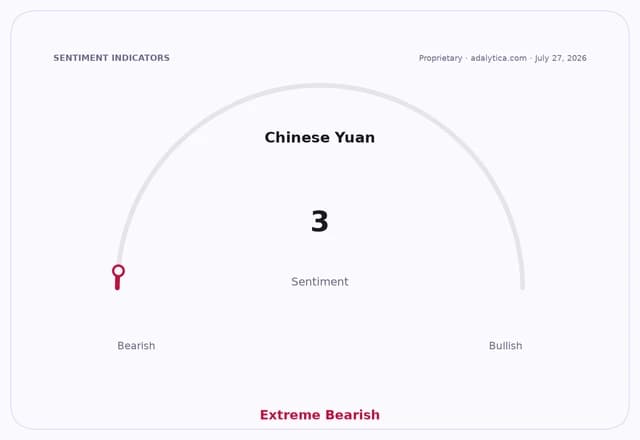
Sentiment IndicatorsⓘProprietary · adalytica.com · July 27, 2026
This is a snapshot — live sentiment, awareness and momentum for 130+ markets update continuously in the dashboard.Open AlphaPulse

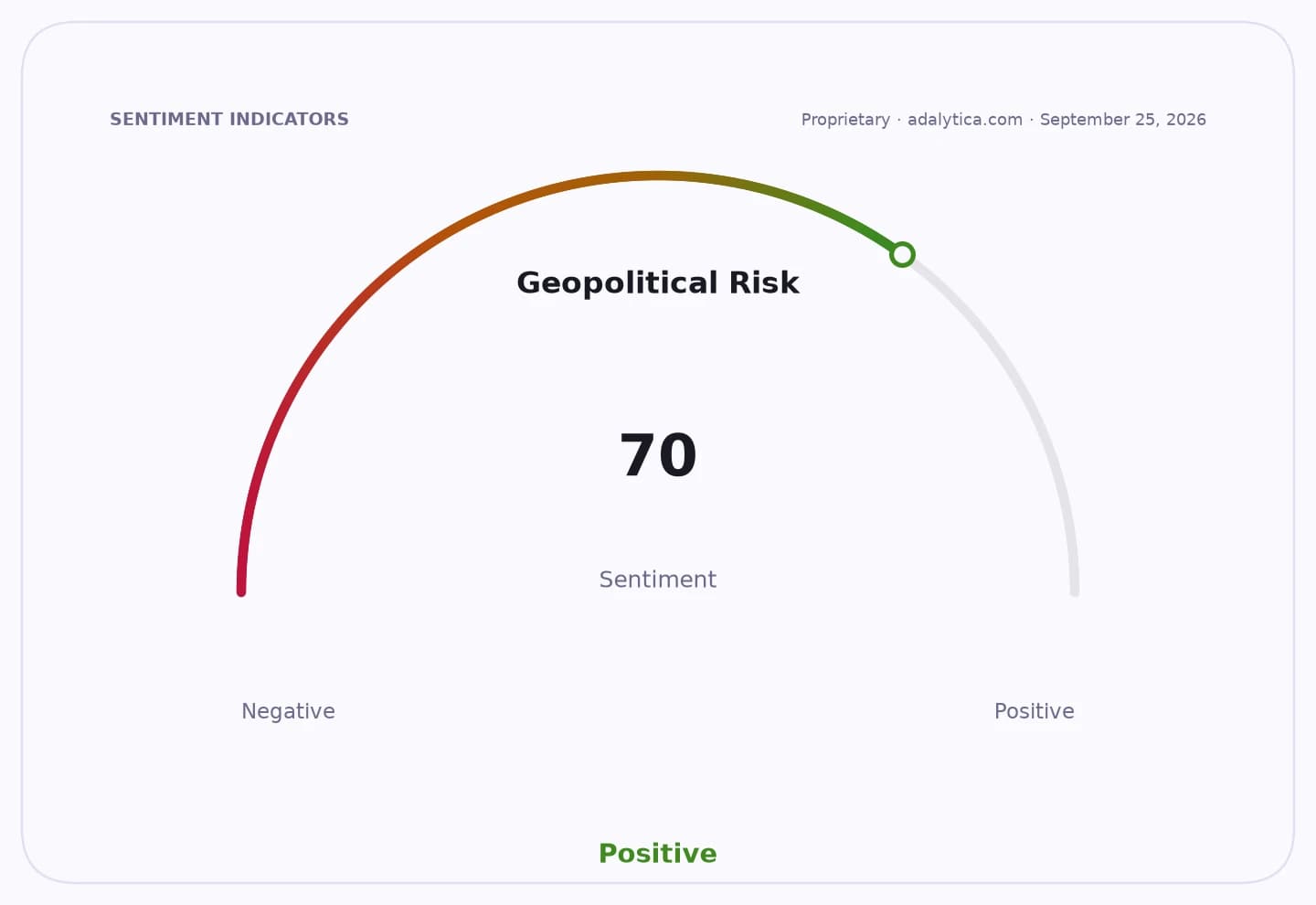
The timing is notable. Adalytica’s China Economic Growth Target sentiment gauge is flashing “Extreme Greed,” a sign that investors are leaning hard into expectations for policy support and stimulus, even as the Chinese yuan trade signals remain in “Extreme Fear.” That split tells the story: markets want growth, but they do not trust the currency or the credit backdrop. In that kind of environment, large state-linked financial institutions that can still raise term funding are likely to enjoy a relative advantage over smaller peers and more leveraged borrowers.
For Guotai Haitong, the debt issue is less about the 500 million yuan headline number than about preserving flexibility. Medium-term funding can support trading inventories, financing activity and general corporate needs while locking in funding before conditions worsen. For investors, that points to a broader theme: in China’s financial sector, the winners are likely to be institutions with government links, strong access to the onshore bond market and the ability to fund through the cycle.
The macro backdrop makes the move more important than it would otherwise be. When debt loads are climbing and the market is fixated on the sustainability of public and private borrowing, even routine issuance becomes a signal. It suggests the market is still functioning for top-tier names, but it also underscores how dependent the system remains on continual refinancing and policy confidence.
I believe that is where the real opportunity lies. The market underestimates how much value accrues to the infrastructure of finance itself when capital becomes scarce: the brokerages, exchanges, settlement rails and balance-sheet heavy firms that can intermediate funding while others retrench. If China’s policy response strengthens growth but leaves the yuan under pressure, that dynamic only becomes more pronounced.
For investors, the takeaway is clear: this is not just a debt sale, it is a window into who keeps control of liquidity when the cycle tightens. Guotai Haitong and its larger, better-connected peers remain positioned to benefit, while weaker borrowers and funding-dependent competitors face rising pressure.
| Entity | Gains | Losses |
|---|---|---|
| Guotai Haitong Securities | ▲Cheaper term funding | ▼None immediately |
| Large state-linked brokers | ▲Liquidity advantage | ▼Smaller rivals |
| China policymakers | ▲Funding-market stability | ▼Policy credibility if stress spreads |
| Yuan-sensitive borrowers | ▲None | ▼Higher refinancing risk |