Artificial intelligence is becoming impossible for newsrooms to ignore, but the bigger economic story is that media companies now have to use it without surrendering trust, accuracy or control. That is the message from Sumeyra Teymur, chief executive of Turkish news platform Haberler.com, who said AI can speed up journalism and widen coverage only if editors keep humans firmly in the loop.
Haberler.com Uses AI in Newsroom Workflows
For investors, that matters because AI in media is no longer a novelty — it is a workflow tool that can affect margins, productivity and reputation at the same time. Haberler.com said it receives more than 2,000 articles a day and already uses AI to organize content, generate headlines and add photos and video. That is exactly the kind of back-office automation that can help publishers handle more content without matching every new task with more staff.
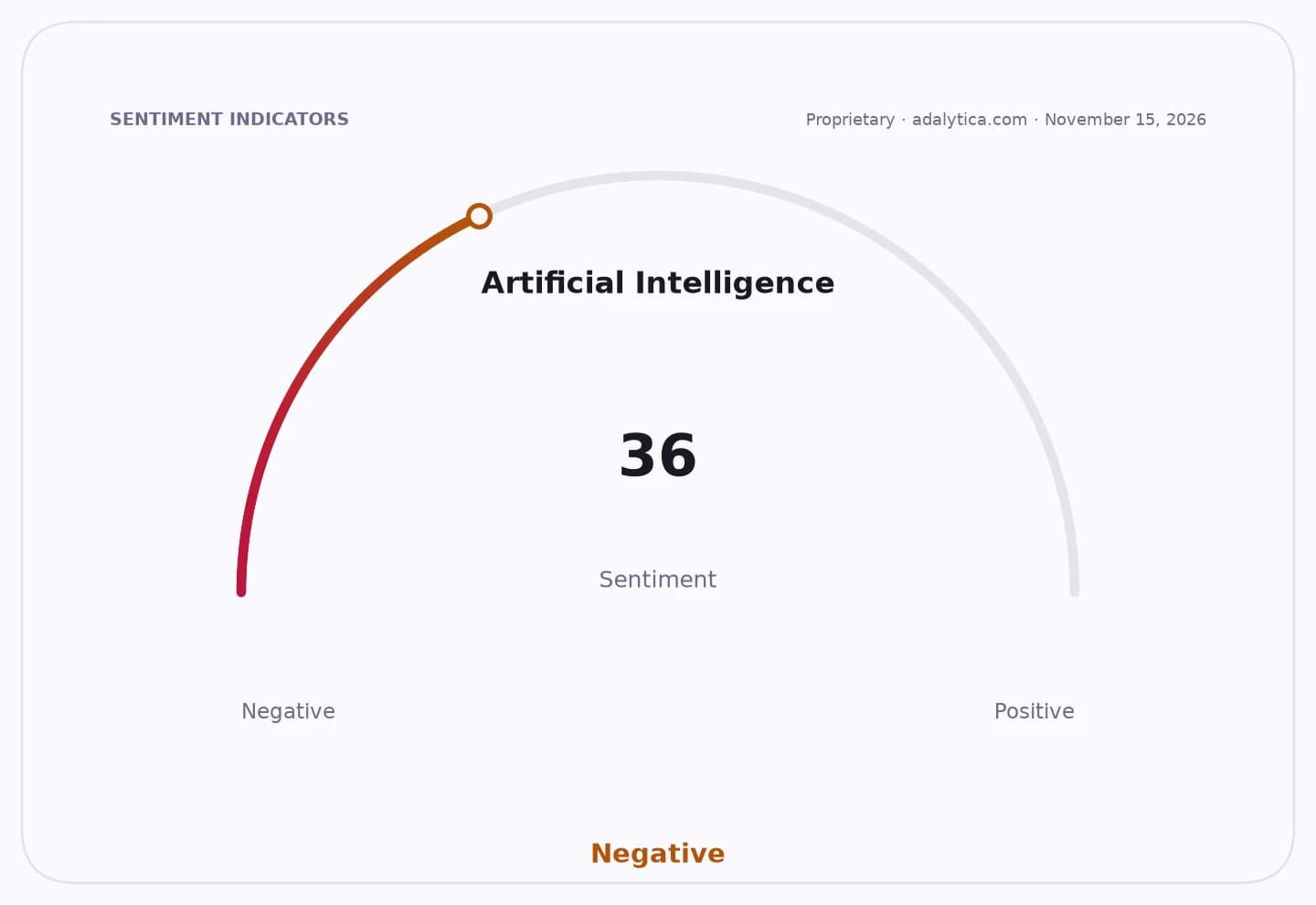
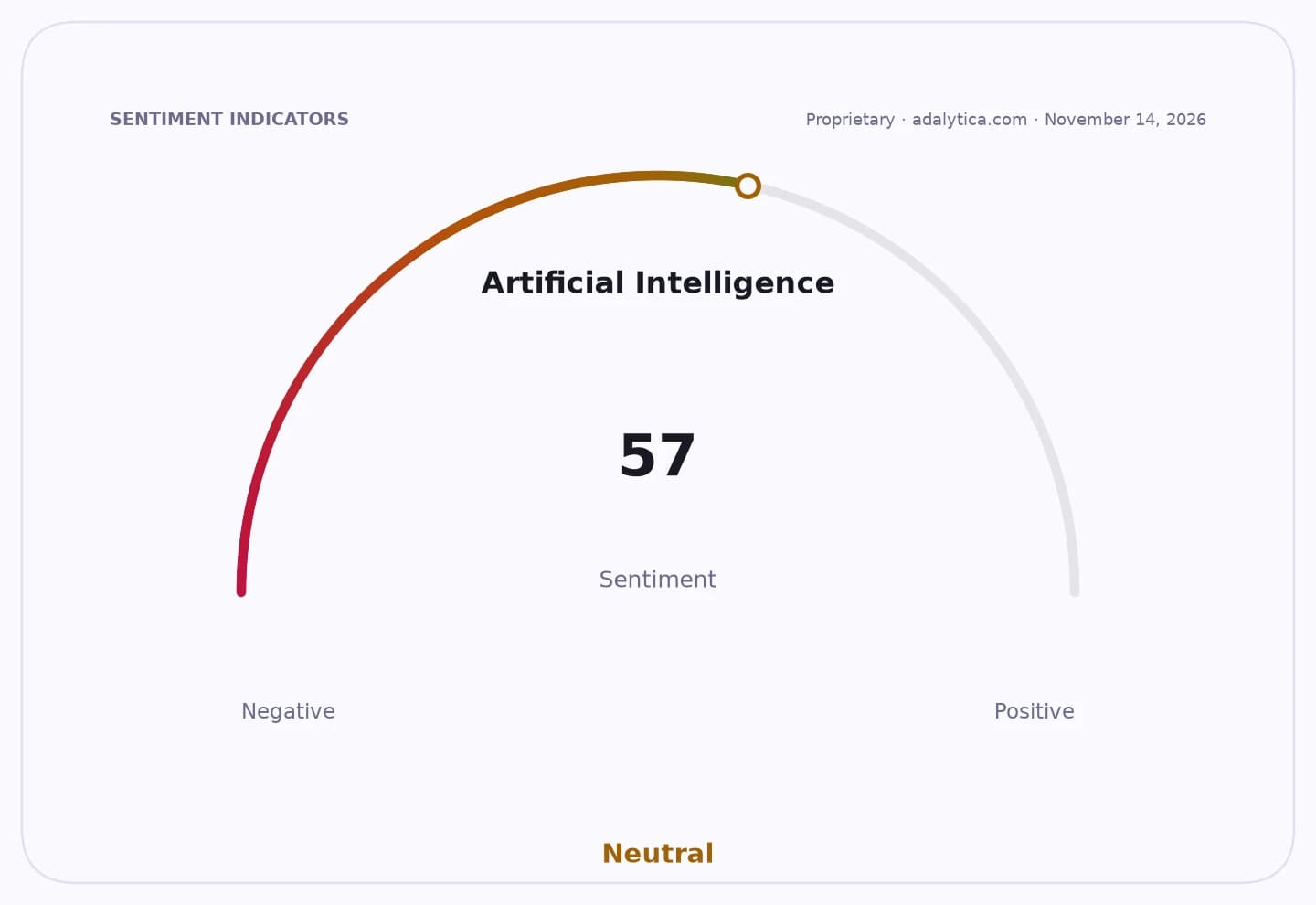
Sentiment Indicators
But the upside comes with a real cost if the technology is deployed carelessly. Teymur warned that AI can produce fabricated news, images and videos, and can be used to manipulate voices and identities. In journalism, one mistake can erase years of credibility. That makes human oversight less of a nice-to-have than a business requirement, especially for companies that depend on audience trust, advertising relationships and licensing income.
The broader narrative is that AI is moving from experimentation to production across the media industry. News organizations are testing AI anchors, automated story production and multimedia generation, while also confronting a surge in misinformation and deepfakes. Teymur said media companies should cooperate more closely across borders to share information, technical expertise and cultural stories, arguing that no single outlet can handle misinformation alone.
That cooperation theme matters economically because the cost of verification is rising just as the cost of publishing is falling. The winners will be publishers that use AI to scale output while preserving editorial standards. The losers will be outlets that chase efficiency so aggressively that they damage the very brand asset that keeps readers, advertisers and subscribers coming back.
For long-term investors, this is a reminder that the AI boom is not only about chipmakers and cloud giants. It is also about the companies using these tools responsibly in high-trust industries. Media groups that build disciplined AI workflows, keep humans accountable and strengthen verification could emerge more resilient and more profitable over time. For now, the story is worth watching — not as a reason to fear AI, but as a case study in how to make it work.
| Entity | Gains | Losses |
|---|---|---|
| AI-enabled publishers | ▲Faster workflows | ▼Higher verification burden |
| Trusted news brands | ▲More output capacity | ▼Reputational risk from errors |
| Readers and advertisers | ▲More efficient coverage | ▼Exposure to misinformation |
| Pure automation models | ▲Lower labor costs | ▼Human trust and oversight |