Debt relief from Vietnam’s Ministry of Finance has given Hoang Anh Gia Lai a far more powerful near-term earnings lever than the market may be pricing in: the company said second-quarter profit rose 2.2-fold, underscoring how quickly the equity story can re-rate when financing pressure eases.
HAGL Profit Jumps on Debt Relief
That matters because for heavily levered companies, the difference between survival and breakout often comes down to interest expense, not just revenue growth. HAGL’s latest result suggests that a policy-driven cleanup of legacy debt can flow almost directly to the bottom line, giving the company room to rebuild cash generation, repair its capital structure and restore investor confidence after years of balance-sheet strain.
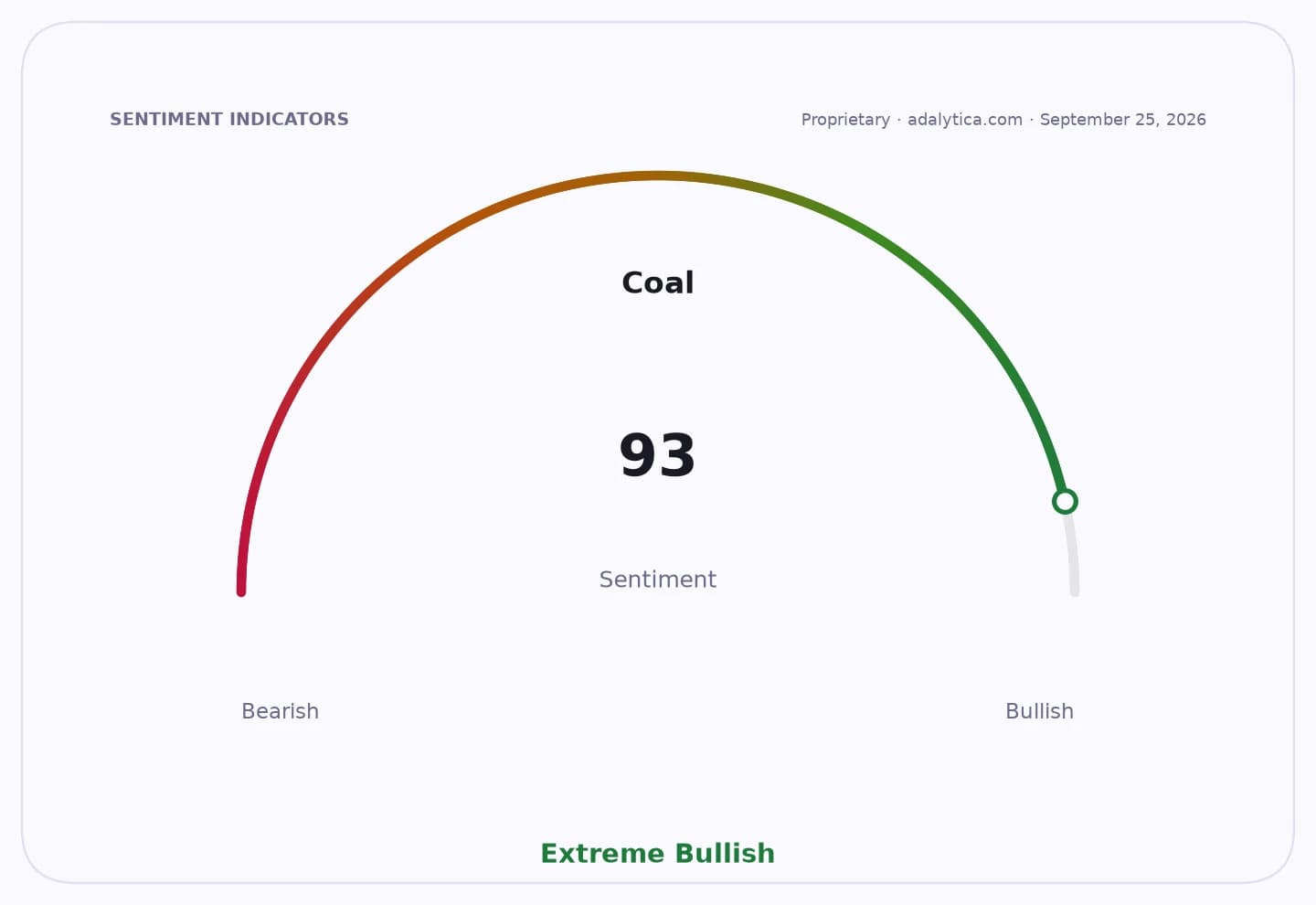
Sentiment IndicatorsⓘProprietary · adalytica.com · July 28, 2026
This is a snapshot — live sentiment, awareness and momentum for 130+ markets update continuously in the dashboard.Open AlphaPulse
The broader implication is bigger than one conglomerate. In a credit environment where lenders are becoming more cautious and debt forgiveness remains selective, any company that secures official relief has a meaningful advantage over peers still trapped in expensive refinancing cycles. The market should not treat this as a one-off accounting bounce. It is a signal that policy support can unlock earnings power in stressed borrowers that still control productive assets and operating franchises.
For investors, the opportunity is in the rerating. When debt service falls and profitability jumps, equity value can compound much faster than revenue alone would imply. That is especially true for a name like HAGL, where the market has long focused on leverage and execution risk. If the company can sustain operating improvement after the debt reset, the stock has the ingredients for a sharp reappraisal as investors move from bankruptcy-risk thinking to recovery-value thinking.
The setup also fits a wider macro pattern: a fragile credit backdrop is separating borrowers with policy backing from those left to fend for themselves. That is why the market underestimates the value of balance-sheet repair. In the next phase, capital will chase the few companies that can convert debt relief into durable earnings momentum. HAGL is now one of those names to watch closely.
| Entity | Gains | Losses |
|---|---|---|
| HAGL equity holders | ▲Higher earnings leverage | ▼Legacy debt burden |
| HAGL creditors | ▲Better recovery prospects | ▼Lower near-term claims |
| Ministry of Finance | ▲Stabilized borrower | ▼Policy burden |
| Stressed peers without relief | ▲Less competition for capital | ▼Higher refinancing pressure |