Hong Kong stocks ended slightly higher, but the real market story is that investors are still trading the Hang Seng around the next China growth signal rather than chasing a full-risk rally.
Hang Seng up 50.96 points before China PMI

The index’s 50.96-point gain shows a market that is willing to buy dips, but not yet convinced Beijing’s policy support or a turn in mainland activity is strong enough to justify a broader re-rating. That is what makes the coming China PMI reading matter: it is the next test of whether the recent stabilization in sentiment can translate into something more durable for earnings, credit demand and risk appetite across Hong Kong-listed assets.
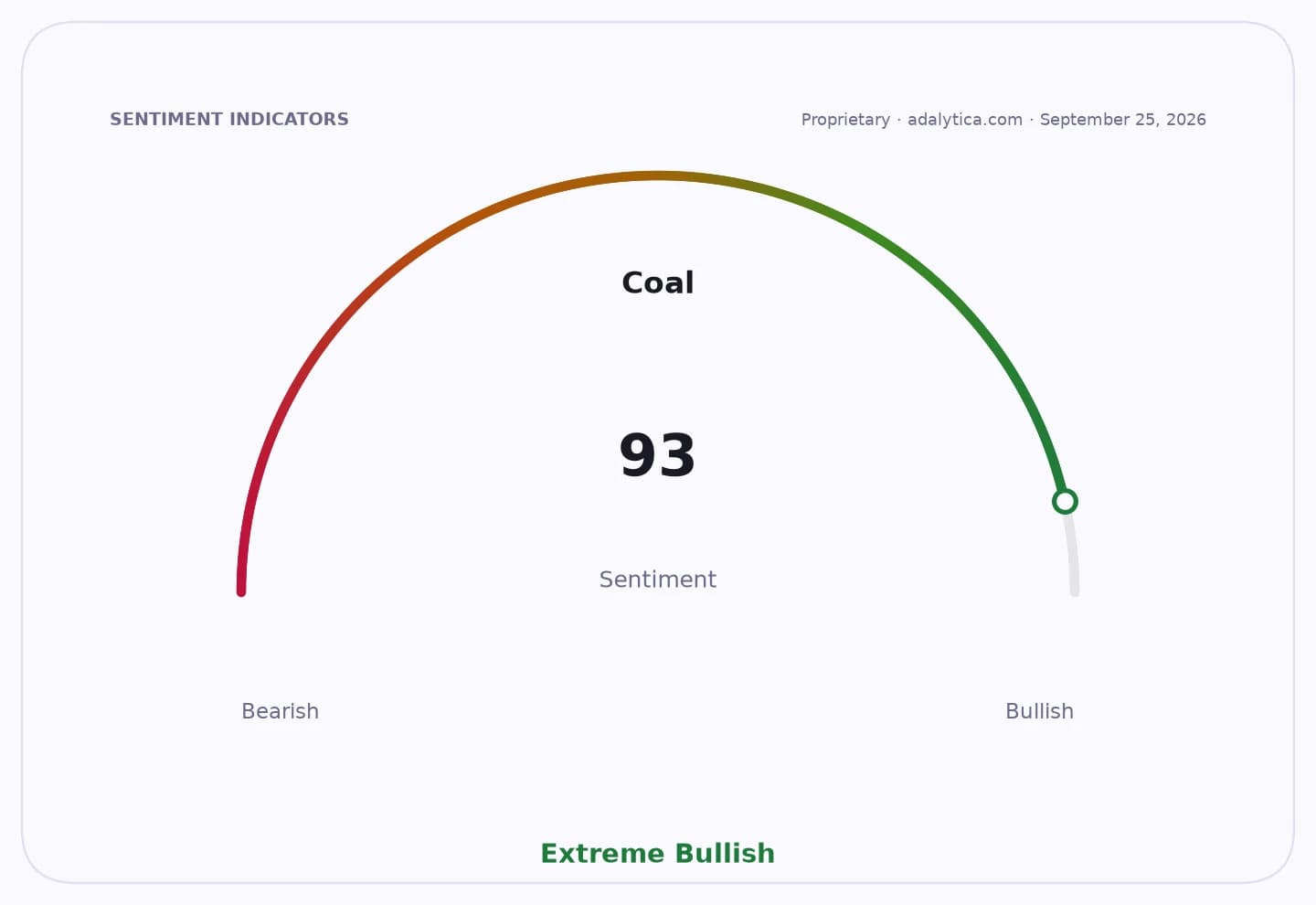
Sentiment IndicatorsⓘProprietary · adalytica.com · July 30, 2026
This is a snapshot — live sentiment, awareness and momentum for 130+ markets update continuously in the dashboard.Open AlphaPulse
The move fits a market that is still hostage to China macro, not domestic Hong Kong fundamentals. When mainland growth looks fragile, Hong Kong tends to behave like a leveraged proxy for Chinese demand, property stress and policy expectations. When growth data improves, the city’s stock market can catch a fast bid as investors rotate into banks, developers, brokers and internet names tied to domestic consumption and liquidity. For now, the modest close suggests positioning remains cautious ahead of the data.
That caution is visible in Chinese equity proxies. The iShares MSCI China ETF, FXI, closed at 36.29 on July 30, with its 50-day moving average at 34.19 and RSI readings around 78.6, indicating a strong short-term bounce that is getting extended. The broader MSCI China ETF, MCHI, finished at 55.12, also above its 50-day average of 53.67, with RSI at 64.0 and MACD turning positive. In plain terms, investors have been adding exposure, but they are not yet pricing a clean macro breakout.
The market’s real concern is whether the PMI confirms enough momentum to support earnings revisions. A firmer reading would strengthen the case for cyclicals tied to mainland industrial activity, consumer financing and trade-sensitive names. A weak print would do the opposite, reviving the argument that stimulus has been uneven and that Hong Kong equities still deserve a discount to regional peers because China’s recovery remains patchy.
That is why this matters to investors beyond a one-day index move. Hong Kong remains a high-beta expression of China policy, and the next macro release can easily decide whether the recent uptick in Chinese equity ETFs becomes a trend or just another relief rally. If PMI data surprises to the upside, the next leg could favor brokers, banks, internet platforms and selected property names. If it disappoints, defensive positioning, lower exposure to mainland cyclicals and a stronger case for waiting on pullbacks will look smarter.
For now, the takeaway is straightforward: the Hang Seng is telling investors to stay engaged, but not to trust the rebound until China’s PMI gives it a real economic foundation.
| Entity | Gains | Losses |
|---|---|---|
| Hong Kong stocks | ▲Modest risk-on bid | ▼Breakout traders waiting for confirmation |
| China cyclicals | ▲Better earnings sentiment if PMI improves | ▼Growth-sensitive shorts if data weakens |
| FXI / MCHI holders | ▲Momentum continues on stronger macro data | ▼Overbought positions if PMI disappoints |
| Mainland economy | ▲Renewed confidence if activity stabilizes | ▼Policy credibility if recovery stalls |