Hanshin Expressway is seeing record toll revenue, but that hasn’t stopped profit from sliding as soaring material prices, an aging network and heavier maintenance demands squeeze margins and point to a deficit next year.
Hanshin Expressway Revenue Rises as Profit Slips
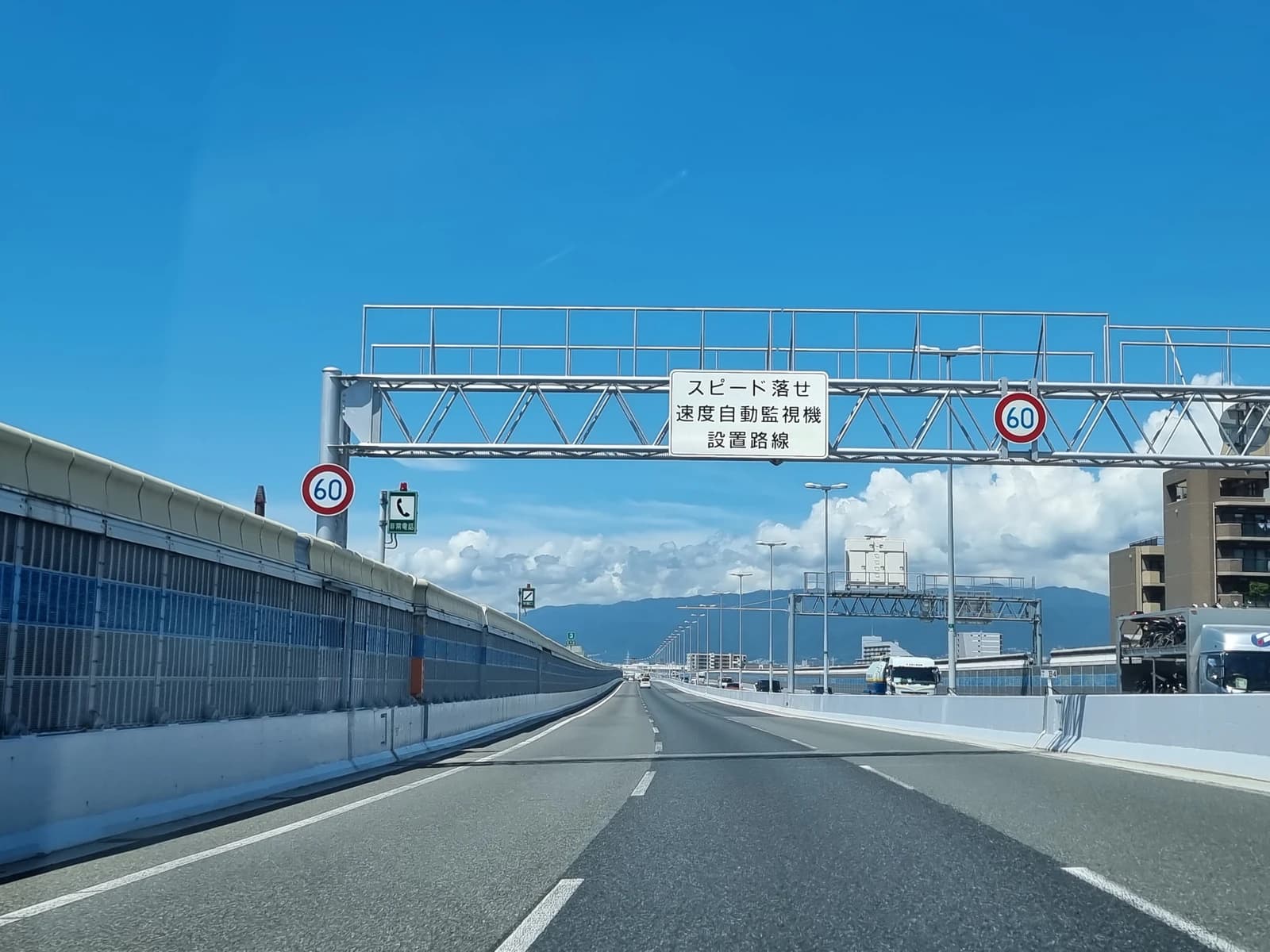
That is the key investment story here: for a toll-road operator, top-line growth is not the same thing as earnings power. The company’s network is doing exactly what investors would want in a mature infrastructure asset — carrying traffic and generating cash — yet the economics of keeping 258.1 kilometers of urban expressway safe and reliable are getting tougher by the year.
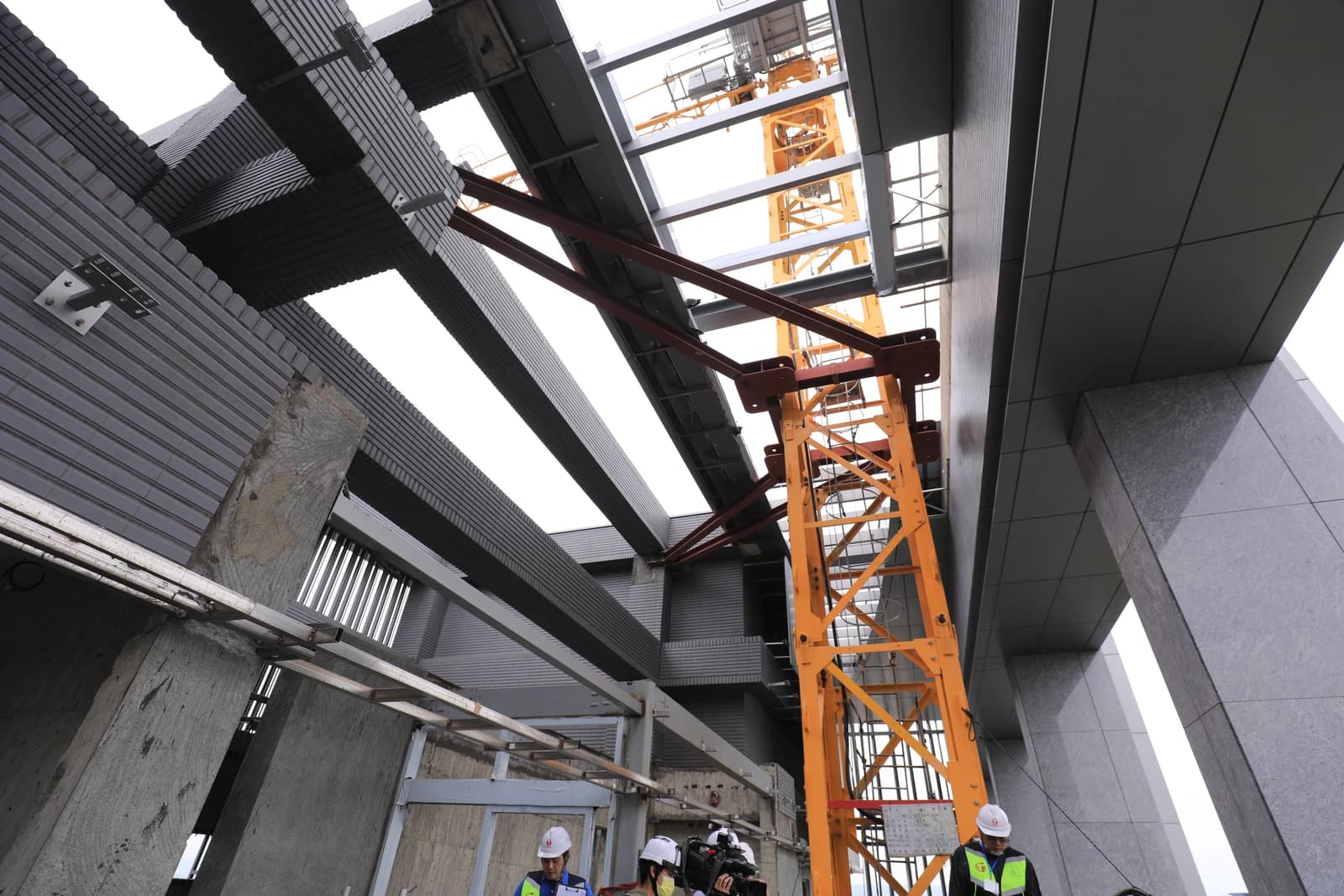
The issue is structural, not cyclical. Hanshin says the share of routes that have been in service for more than 40 years is expected to climb to 55.5% in fiscal 2024-2028 from 35.9% in fiscal 2012-2016. That means more inspections, more repairs and more disruptive work on a network where even a single closure can ripple through Osaka, Kobe and the wider Kansai economy. For an asset built on continuity, age is becoming a liability.
Costs are rising from several directions at once. Labor shortages have pushed construction wages higher, while steel and concrete-related materials have become much more expensive. Those pressures matter because Hanshin’s business model depends on a carefully balanced flow of toll income being used first to cover operating costs and then to pay lease fees and debt-related obligations through Japan’s public-private expressway framework. When maintenance inflation outruns pricing power, profit gets squeezed even if traffic remains strong.
That is why the expected 300 million yen deficit next year matters. It signals that record revenue is no longer enough to offset the rising burden of asset preservation and resilience spending, especially as Japan hardens infrastructure against earthquakes and increasingly severe weather. The company has already laid out a response through digital tools, new construction methods and a target to cut initial investment, construction and maintenance costs by about 10% each. Those are the right moves, but they will take time to show up in the bottom line.
For investors, the message is straightforward: Hanshin looks less like a growth story and more like a capital-intensive, long-duration utility with inflation exposure. That can still be a good business over the long run, but it means cash flow will likely be governed by repair cycles, regulatory arrangements and cost discipline rather than by simple traffic growth alone. In other words, the moat is real, but so is the maintenance bill.
The opportunity is not to chase short-term earnings, but to watch whether management can turn a mature toll road into a more efficient infrastructure platform. If Hanshin can hold revenue, control costs and stretch the life of its aging assets through technology, the long-term thesis remains intact. If not, margins will keep telling the story. Worth watching for patient investors, but only as a long-term infrastructure holding.
| Entity | Gains | Losses |
|---|---|---|
| Hanshin Expressway toll users | ▲Continued road access | ▼Higher tolls or service disruptions |
| Hanshin Expressway | ▲Record revenue | ▼Margin pressure from aging assets |
| Contractors/material suppliers | ▲More repair work | ▼Cost pressure on project budgets |
| Long-term investors | ▲Potential infrastructure cash flow | ▼Near-term earnings volatility |