Mortgage rates remain the gatekeeper for U.S. housing, and the latest move higher is forcing buyers, lenders and homeowners to rethink the old “buy now, refinance later” playbook.
High Mortgage Rates Keep Housing Friction Elevated
That matters because housing is one of the biggest transmitters of interest-rate pressure into the real economy. When borrowing costs stay elevated, transaction volumes slow, affordability erodes and household mobility falls — with knock-on effects for brokers, homebuilders, mortgage originators and even rent inflation.
Sentiment IndicatorsⓘProprietary · adalytica.com · July 22, 2026
This is a snapshot — live sentiment, awareness and momentum for 130+ markets update continuously in the dashboard.Open AlphaPulse
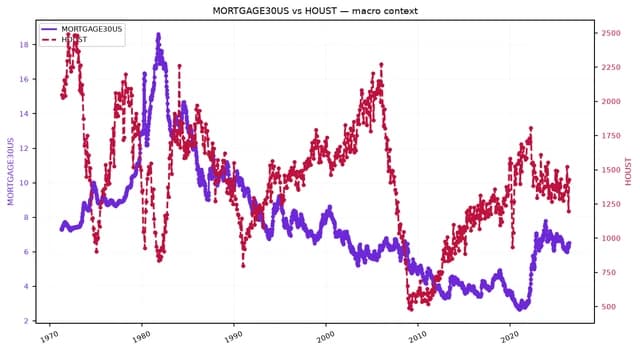
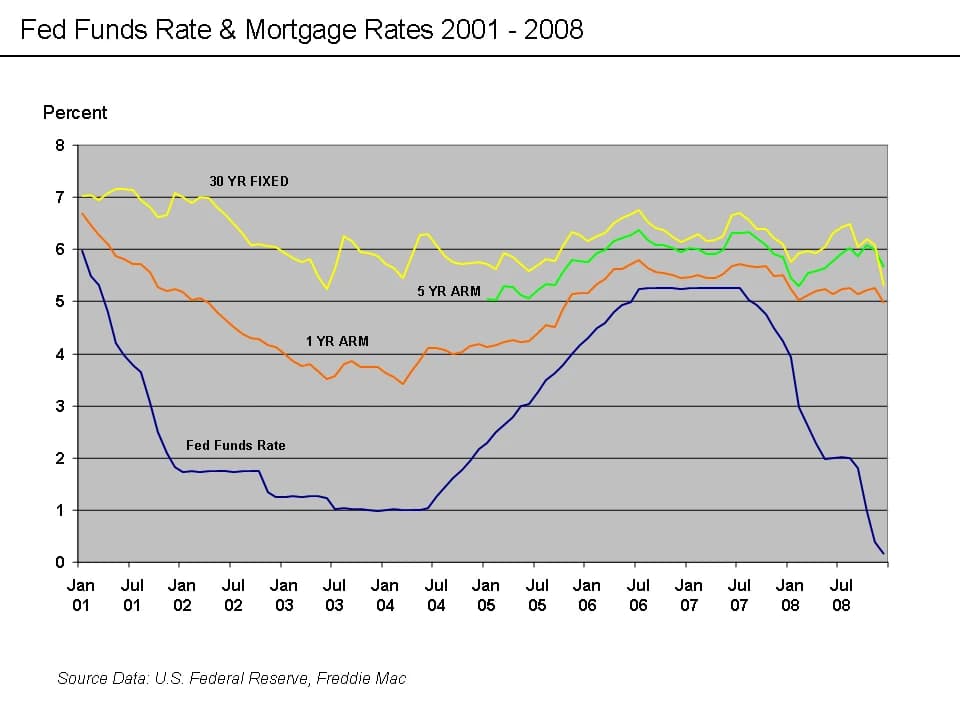
The chart history shows just how powerful that transmission can be. Mortgage-rate cycles have repeatedly reshaped demand, and today’s environment is no exception: home sales activity has been uneven, borrowers are still trapped in loans they do not want to refinance, and the market has had to adjust to a world where cheap money is no longer the default setting. U.S. housing price data also shows the market has stayed resilient at elevated levels, even as financing conditions have tightened, underscoring that the affordability squeeze is coming more from rates than from a collapse in home values.
For investors, that creates a clear divergence. Companies exposed to homebuying friction are under pressure, while businesses that benefit from scarcity, refinancing complexity or persistent housing demand can keep taking share. Zillow’s latest filing said persistently high mortgage rates have reduced the number of transactions consumers complete on its platforms, a reminder that higher rates hit the housing ecosystem first through lower churn. Rocket Companies and other mortgage lenders face a similar squeeze: volumes can remain lumpy, margins can be volatile and the refinance rebound many bulls have been waiting for has not arrived in a durable way.
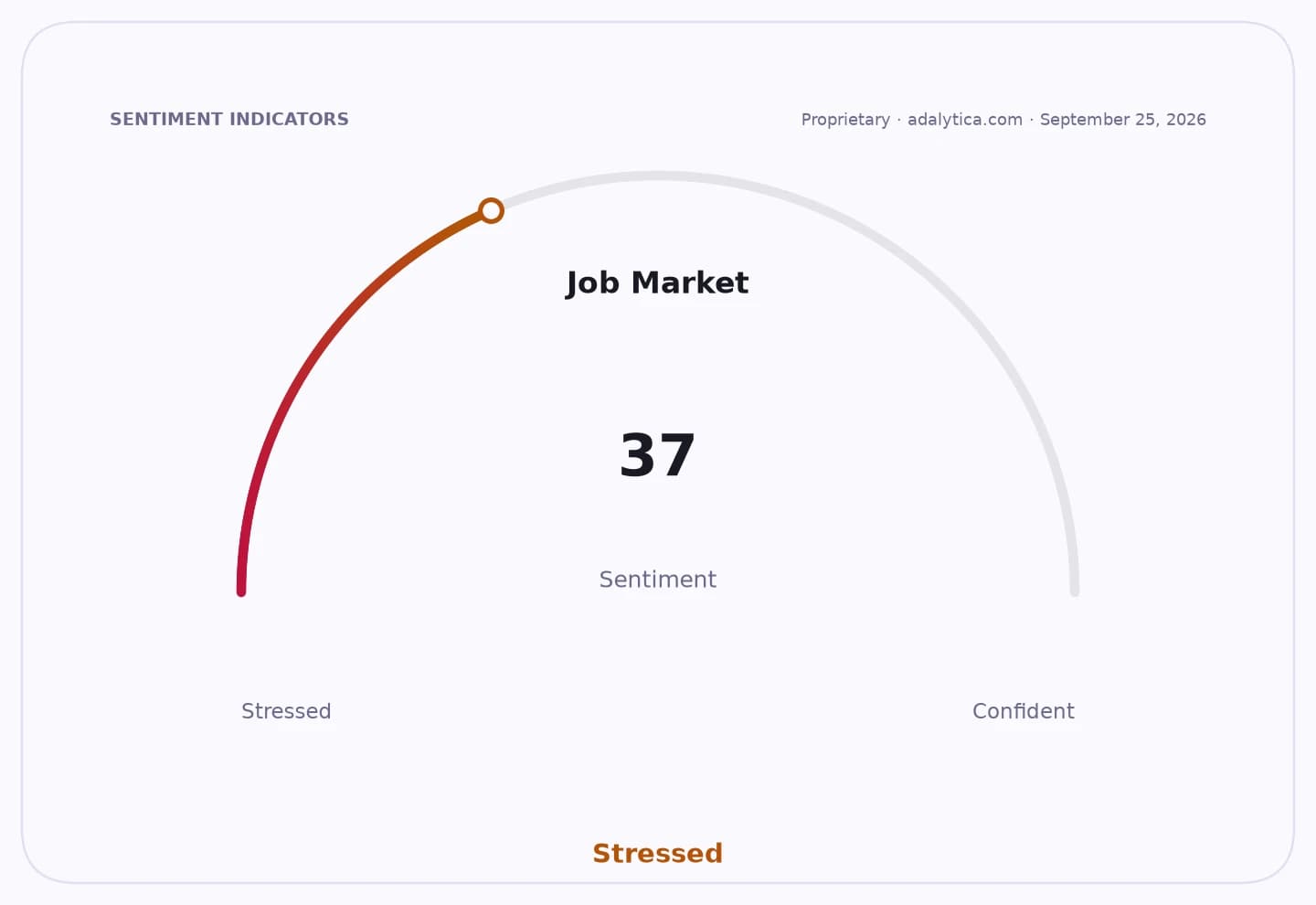
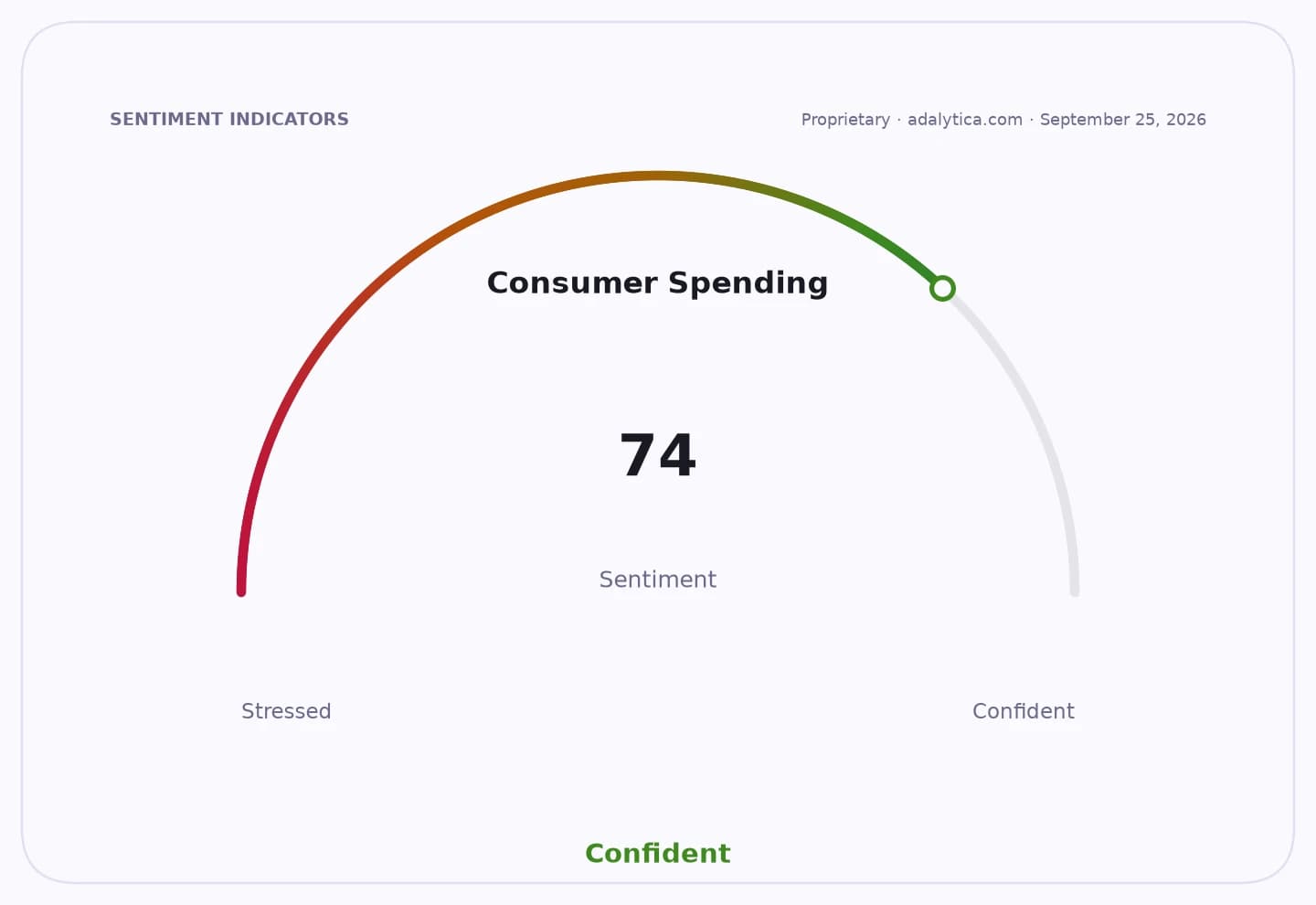
The setup is also visible in market signals. Adalytica’s Treasury bond sentiment snapshot shows extreme fear around long-duration bonds, while housing and rent inflation sentiment has surged to greed. That combination fits a market that is still wrestling with higher-for-longer financing costs and the knock-on effect on shelter inflation. In plain English: if mortgage rates do not fall meaningfully, the housing market stays a low-volume, high-friction market, and the winners will be the firms built to monetize that friction rather than wait for a refinancing boom that may never come.
I believe the most asymmetric opportunity is not in chasing a snapback in transaction-sensitive names, but in owning the picks-and-shovels around housing demand, mortgage distribution and rental-related infrastructure. The market underestimates how long this high-rate regime can persist — and how long that can keep reshaping capital flows across housing, consumer finance and real-estate technology.
| Entity | Gains | Losses |
|---|---|---|
| Homeowners with low fixed-rate loans | ▲Payment stability | ▼Mobility and refinance optionality |
| Mortgage lenders and brokers | ▲Volume if rates fall | ▼Origination demand if rates stay high |
| Zillow-style housing platforms | ▲Lead generation from stressed buyers | ▼Transaction softness |
| Renters and landlords | ▲Higher rental demand | ▼Less affordable ownership |