A Federal Reserve pause is keeping high-yield savings accounts appealing for cash holders because short-term rates remain elevated even as policymakers step back from more tightening.
High-Yield Savings Stay Attractive as Fed Pauses

The yield on the 2-year Treasury note was at 4.31% on July 27 and was forecast to edge back to 4.352% on July 28, while the 10-year Treasury sat at 4.65% and was projected at 4.688%. That gap matters because deposit rates tend to track shorter-dated policy expectations more closely than long bonds, and the Fed funds rate is still anchored around 3.63%, with a July forecast at 3.627%. In other words, the pause does not amount to a return to cheap money; it leaves money-market yields, online savings rates and short-duration cash products meaningfully above the levels savers saw for most of the past decade.
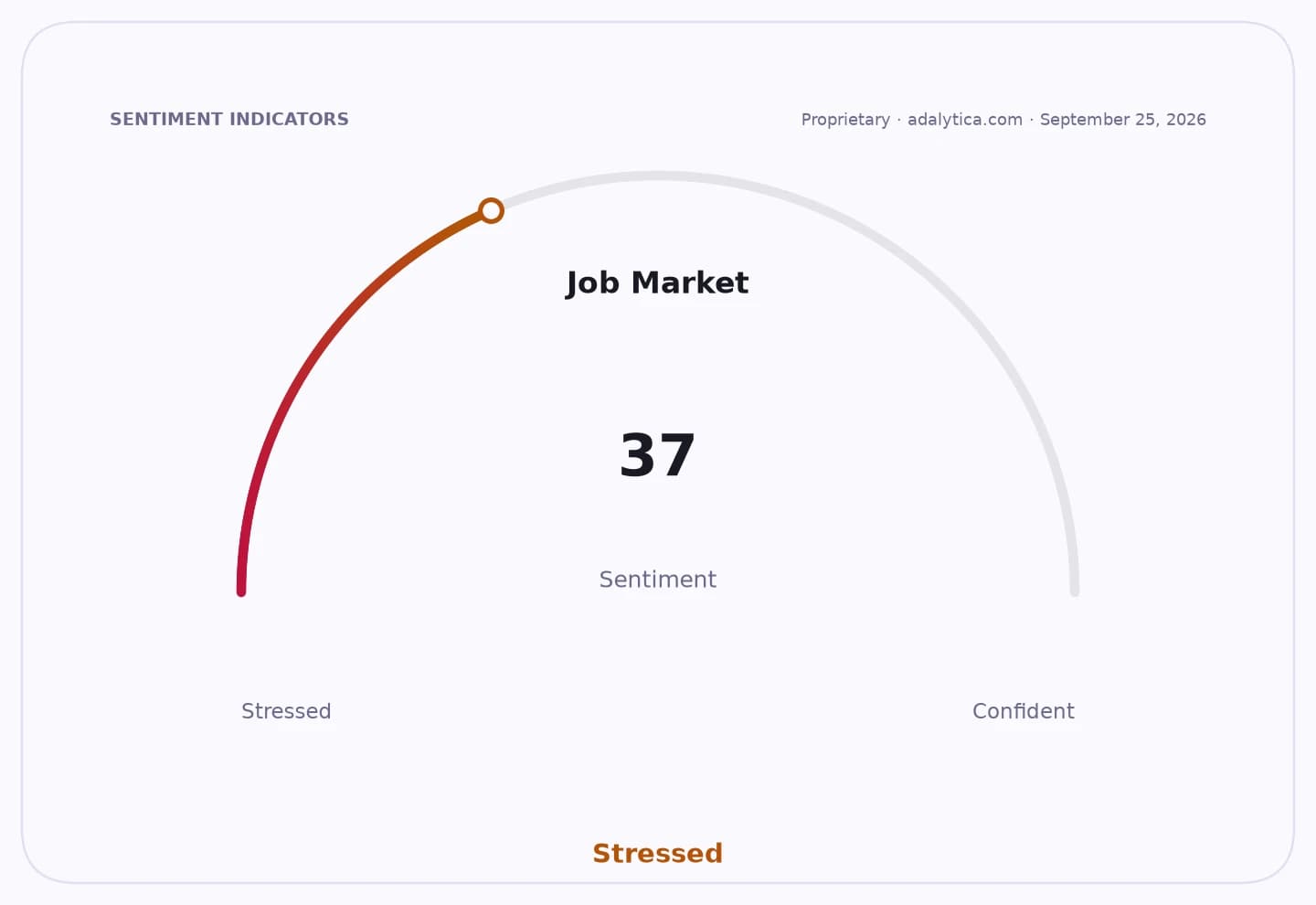
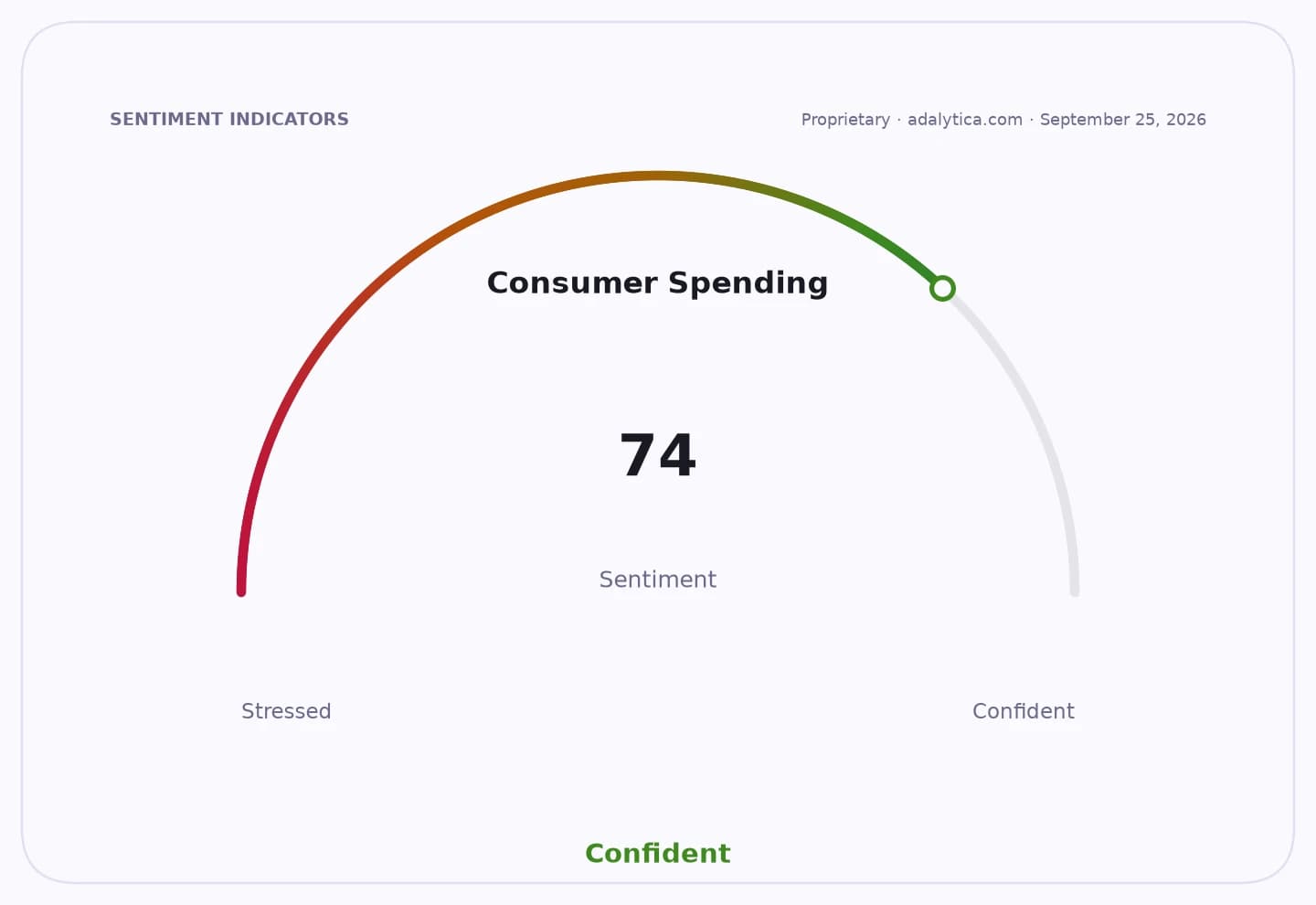
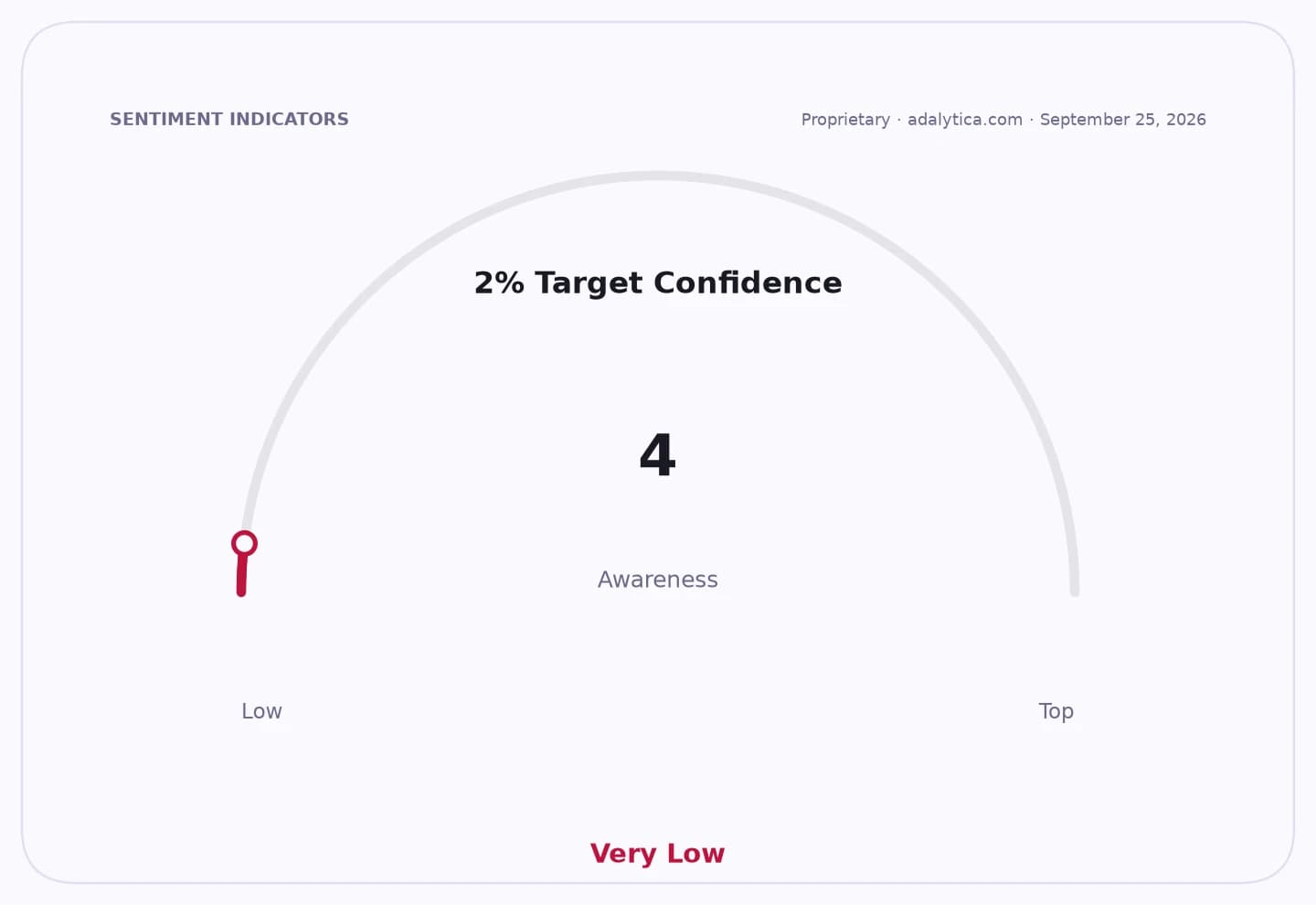
Sentiment IndicatorsⓘProprietary · adalytica.com · July 29, 2026
This is a snapshot — live sentiment, awareness and momentum for 130+ markets update continuously in the dashboard.Open AlphaPulse
For households, the economics are straightforward. A saver parking cash in a high-yield account can still earn a return that is competitive with Treasury bills and far above the near-zero rates that prevailed through much of the 2010s. That makes the account a practical choice for emergency funds and near-term spending, particularly if the Fed has moved from hiking to waiting. The decision also has a behavioral effect: once the central bank stops lifting rates, consumers often lock in yields rather than chase riskier assets, which can keep deposits flowing into rate-sensitive bank products.
For banks, the picture is more mixed. Ally Financial and Capital One both showed large moves in their share prices as rates rose and then eased, underscoring how sensitive deposit franchises are to the path of policy. Ally’s shares were trading at $43.88 on July 29, above its 200-day moving average of $41.98 but slightly below its 50-day average of $44.27, with RSI at 42.7 — a conventional technical reading that suggests the stock is no longer oversold but has lost some recent momentum. Capital One was at $210.82, above its 200-day average of $206.20 but below its 50-day average of $196.08 after a sharp run-up, with RSI at 64.2. The moves reflect a familiar tension: higher rates can widen banks’ asset yields, but they also force lenders to pay up to keep deposits from migrating into higher-yielding alternatives.
That is why a rate pause matters beyond consumer savings. Bank filings show management teams still modeling a rate environment that keeps deposit competition intense. Capital One said its projected 12-month net interest income is expected to stay largely unchanged in higher-rate scenarios and fall in lower-rate scenarios, while Ally noted its interest-bearing deposit liabilities were repricing lower in recent quarters. A pause gives lenders some stability, but it does not eliminate pressure on funding costs if savers continue to demand better yields.
The market backdrop suggests investors are treating the Fed’s pause as a holding pattern rather than the start of aggressive easing. Adalytica’s market-expectation gauge for Fed decisions showed neutral sentiment but elevated awareness, while Treasury-bond signals remained constructive. That points to a market still comfortable owning duration selectively, but not yet pricing a sharp decline in rates that would crush cash yields. For savers, that makes the case for high-yield accounts less about timing the next Fed move and more about capturing still-favorable cash returns while they last.
The key catalyst now is not the pause itself but the next run of inflation and labor data. If the Fed stays on hold longer, high-yield savings rates can remain attractive even as headline policy momentum fades. If inflation cools faster and rate cuts come into view, the edge for cash products will narrow quickly, making today’s yield window one that investors and households may not want to ignore.
| Entity | Gains | Losses |
|---|---|---|
| Savers | ▲Higher cash yields | ▼Lower returns if cuts arrive |
| Online banks | ▲Deposit inflows | ▼Margin pressure |
| Large banks | ▲Stable funding base | ▼Higher deposit costs |
| Treasury holders | ▲Income from elevated yields | ▼Price risk if rates rise |