Mountain View’s decision to abandon a planned bond offering after failing to win enough support is a reminder that even wealthy California issuers are running into a tougher market for municipal debt.
Higher Rates Pressure Municipal Borrowing
That matters because cities still need to fund infrastructure, schools and long-lived capital projects, but higher borrowing costs and thinner investor demand are forcing local governments to rethink timing, size and even the financing tools they use. When a high-quality Bay Area issuer cannot get a deal done, the problem is not just one city’s politics — it is a signal that the municipal market is demanding more yield, more certainty and less headline risk.
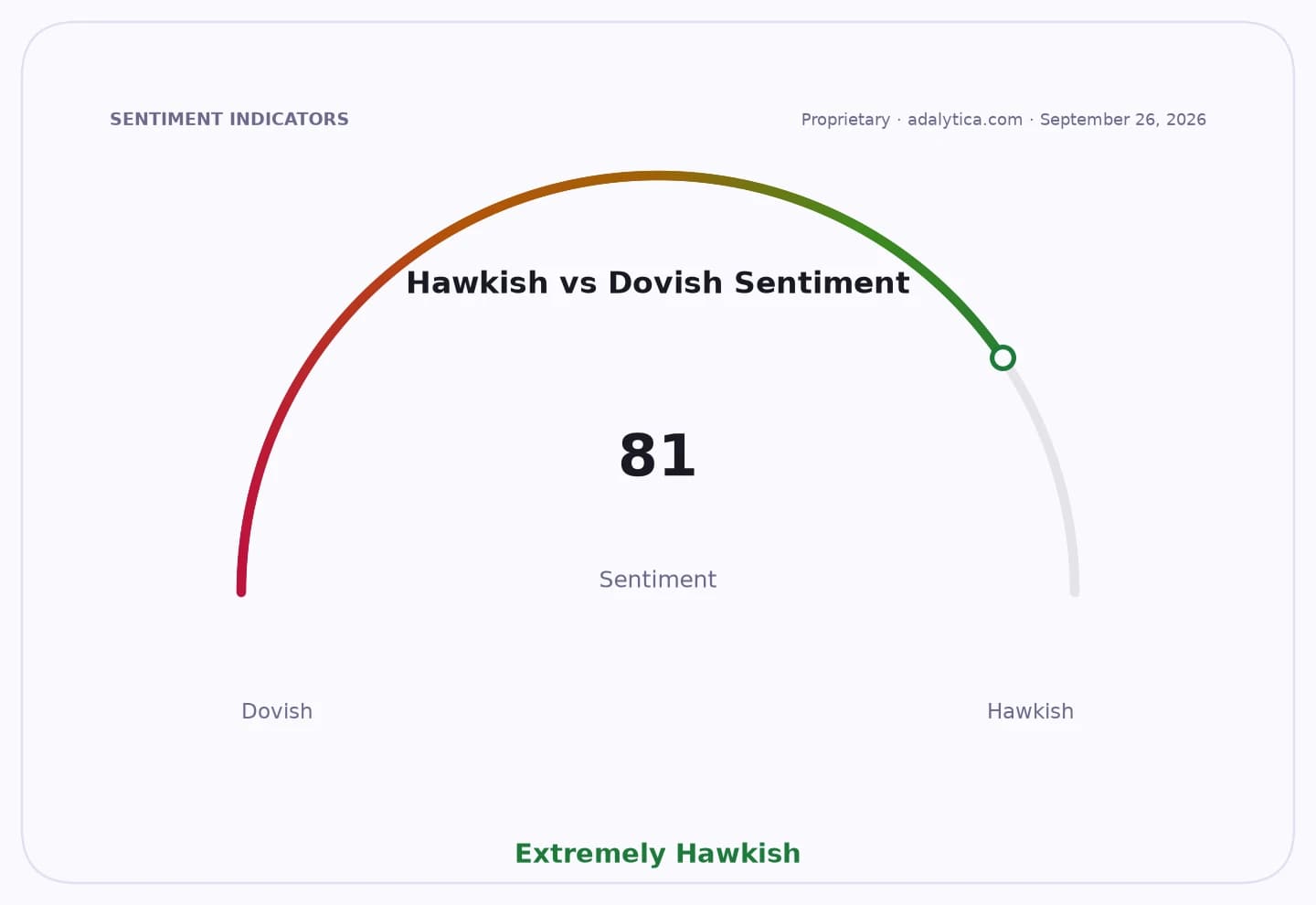
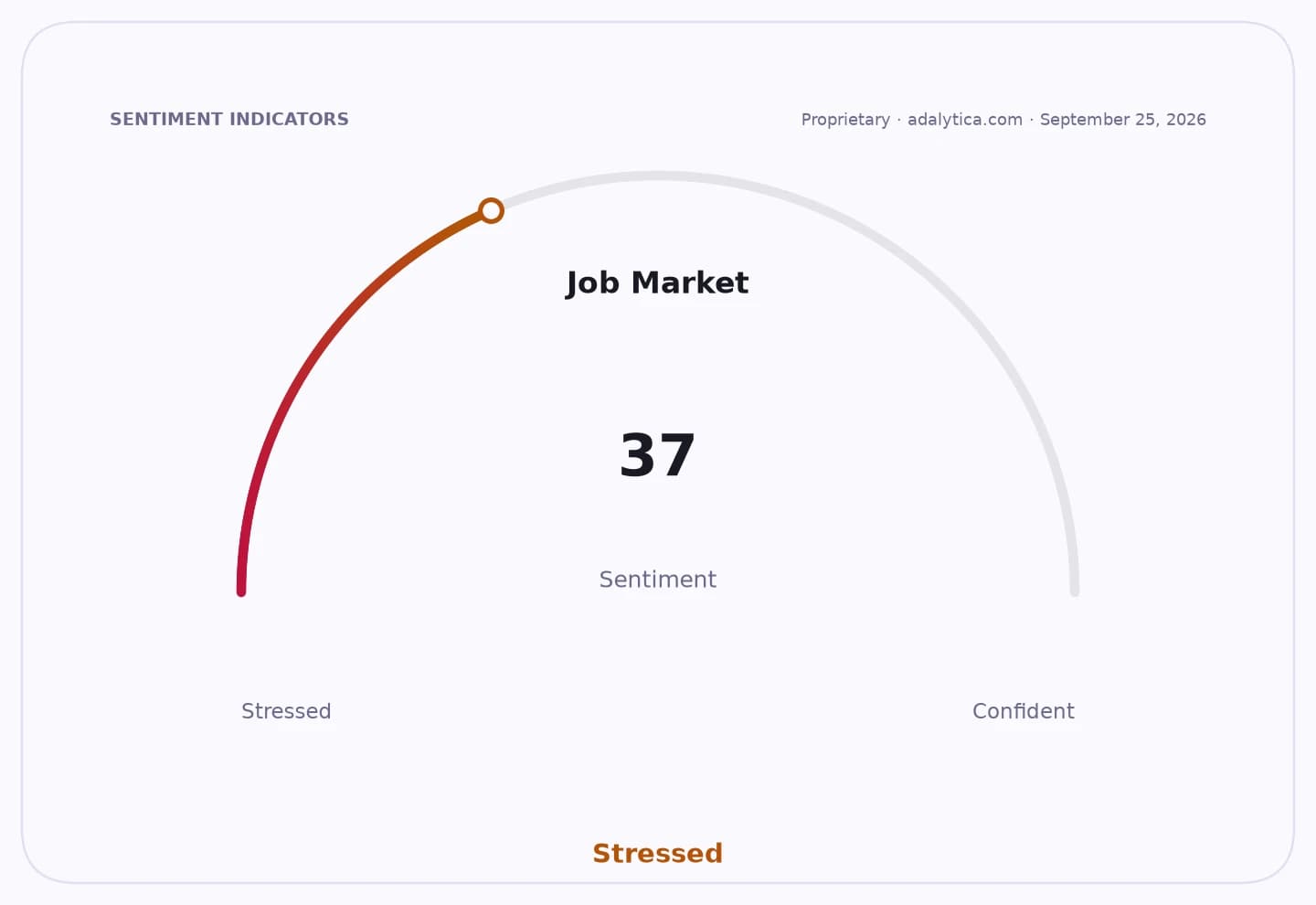
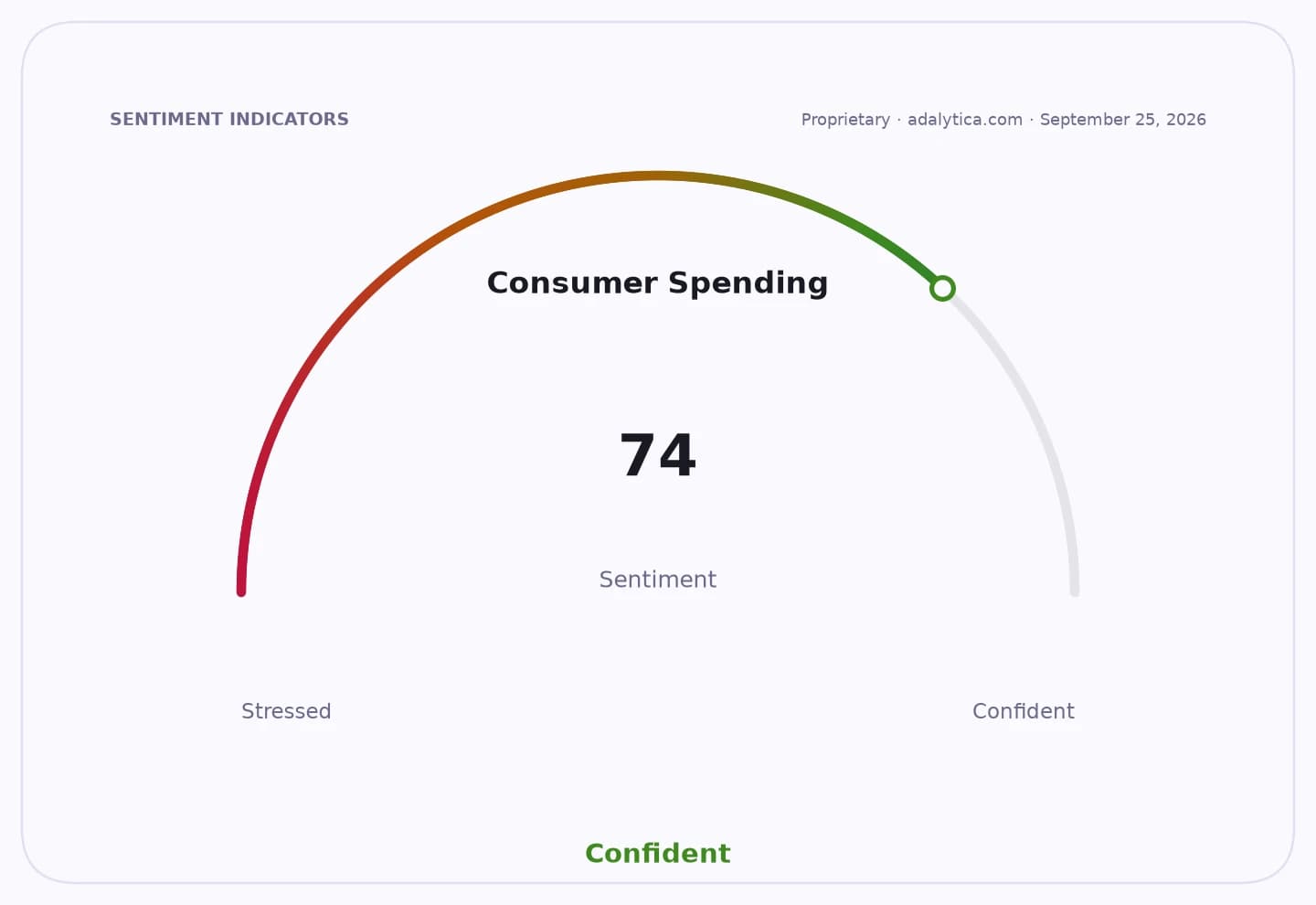
Sentiment IndicatorsⓘProprietary · adalytica.com · July 26, 2026
This is a snapshot — live sentiment, awareness and momentum for 130+ markets update continuously in the dashboard.Open AlphaPulse
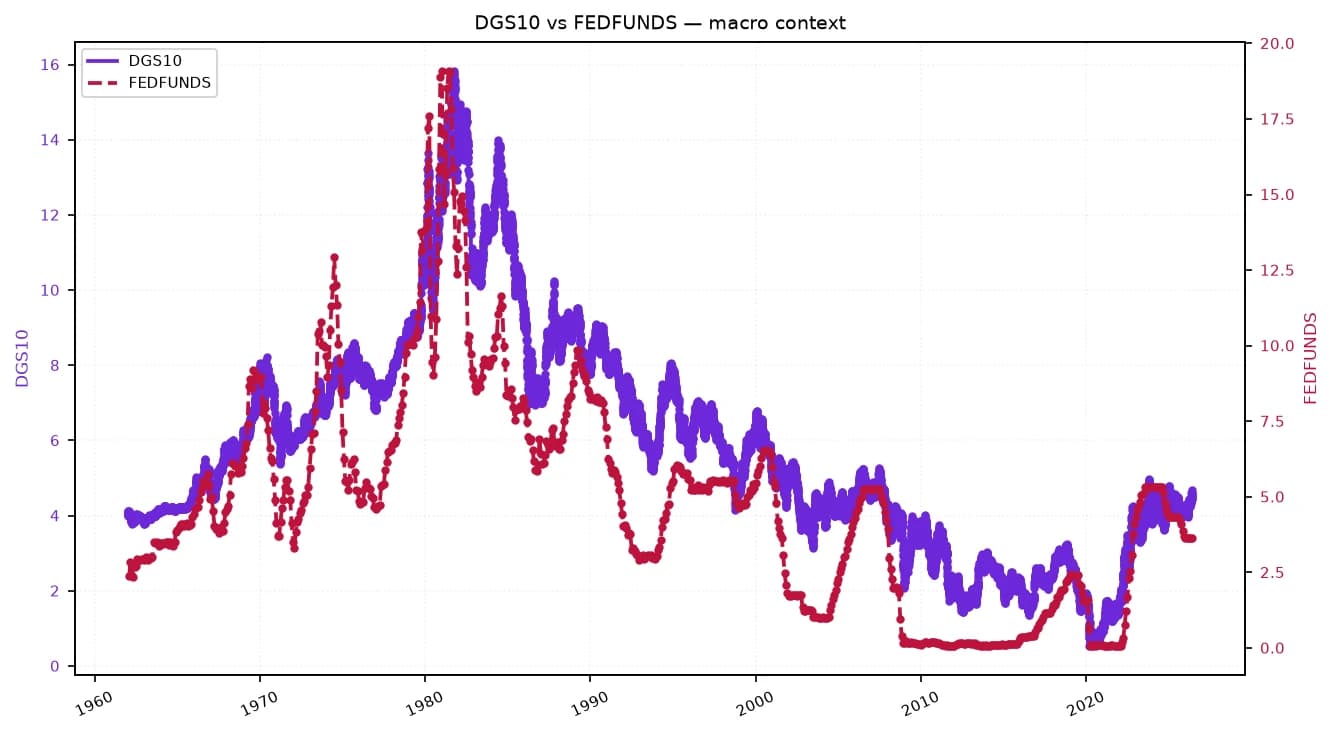
The backdrop is straightforward: Treasury yields remain elevated, the Federal Reserve is only gradually easing, and the cost of long-duration borrowing is still far above the ultra-low-rate era that let issuers lock in cheap money. The 10-year Treasury is sitting around 4.7%, while the fed funds rate is forecast near 3.63%, a spread that keeps municipal financing expensive even before credit spreads and underwriting costs are added in. That leaves issuers vulnerable to pushback whenever voter approval is shaky or project benefits are not immediately obvious.
The market is telling the same story. The iShares National Muni Bond ETF has been trading just above its 50-day moving average and barely above its 200-day line, suggesting a market that is steady but not euphoric. Technical readings have weakened, with RSI near oversold levels in the latest sessions, while the broader Treasury bond ETF, TLT, has fallen below both its 50-day and 200-day moving averages. In plain English, long-dated rates have stayed restrictive enough to keep pressure on municipal balance sheets and keep investors selective.
For investors, that creates a clear split. High-quality municipal issuers with strong tax bases and transparent funding plans should still find buyers, but only at the right price. Deals that rely on weak political support, ambiguous repayment structures or optimistic assumptions about rate relief are likely to struggle. That is bad news for municipalities that want flexibility, but good news for buyers who can wait for better concessions and for bond funds positioned to pick up attractive tax-exempt income if volatility persists.
The broader implication is that municipal borrowing will remain a discipline story, not a cheap-money story. If rates stay near current levels, cities will either defer projects, scale them back or shift more costs onto taxpayers. That can slow local capital spending and delay the construction pipeline tied to transportation, utilities and civic infrastructure.
For investors, the play is not to chase every muni headline, but to focus on the issuers that can clear the market without drama and the funds that benefit if supply is delayed and yields stay firm. The market underestimates how long high rates can keep punishing marginal borrowers.
| Entity | Gains | Losses |
|---|---|---|
| Municipal bond buyers | ▲Higher yields | ▼Deal uncertainty |
| High-quality issuers | ▲Financing access | ▼Less pricing power |
| Marginal city borrowers | ▲— | ▼Higher funding costs |
| Muni ETFs | ▲Potential inflows | ▼Rate volatility |