Hondurans are losing purchasing power as inflation accelerates to 6.28% and wages fail to rise at the same pace, squeezing household spending in an economy already marked by high poverty, informality and underemployment.
Honduras Inflation Rises to 6.28% in September 2026
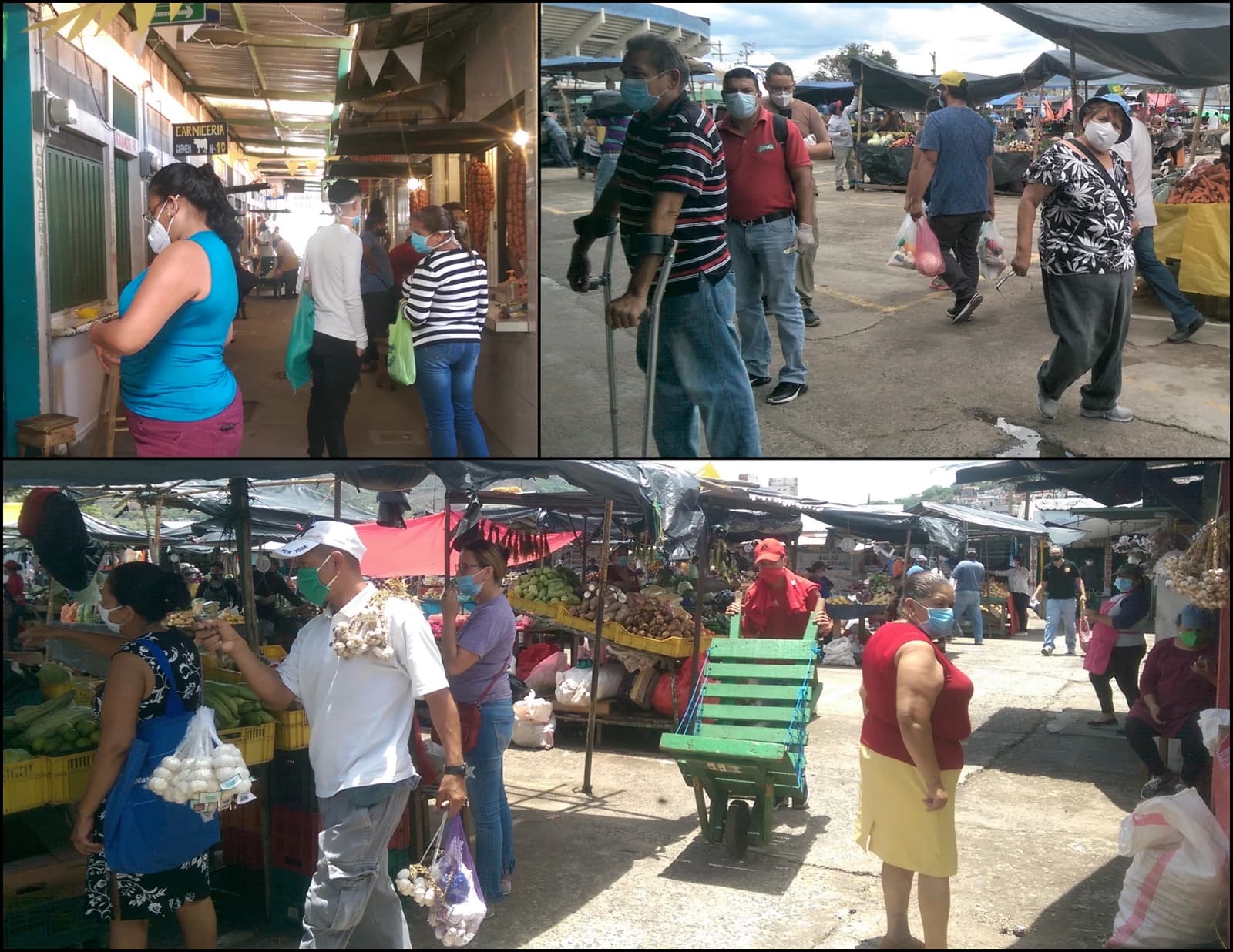
The strain is especially acute because the latest rise in prices is being driven by fuel, food and imported inputs rather than by a temporary one-off shock. The Bank of Honduras said annual inflation reached 6.28% in September 2026, up from 4.55% a year earlier, while academic and market observers say about 63% of the inflationary pressure is tied to fuel derivatives and food.
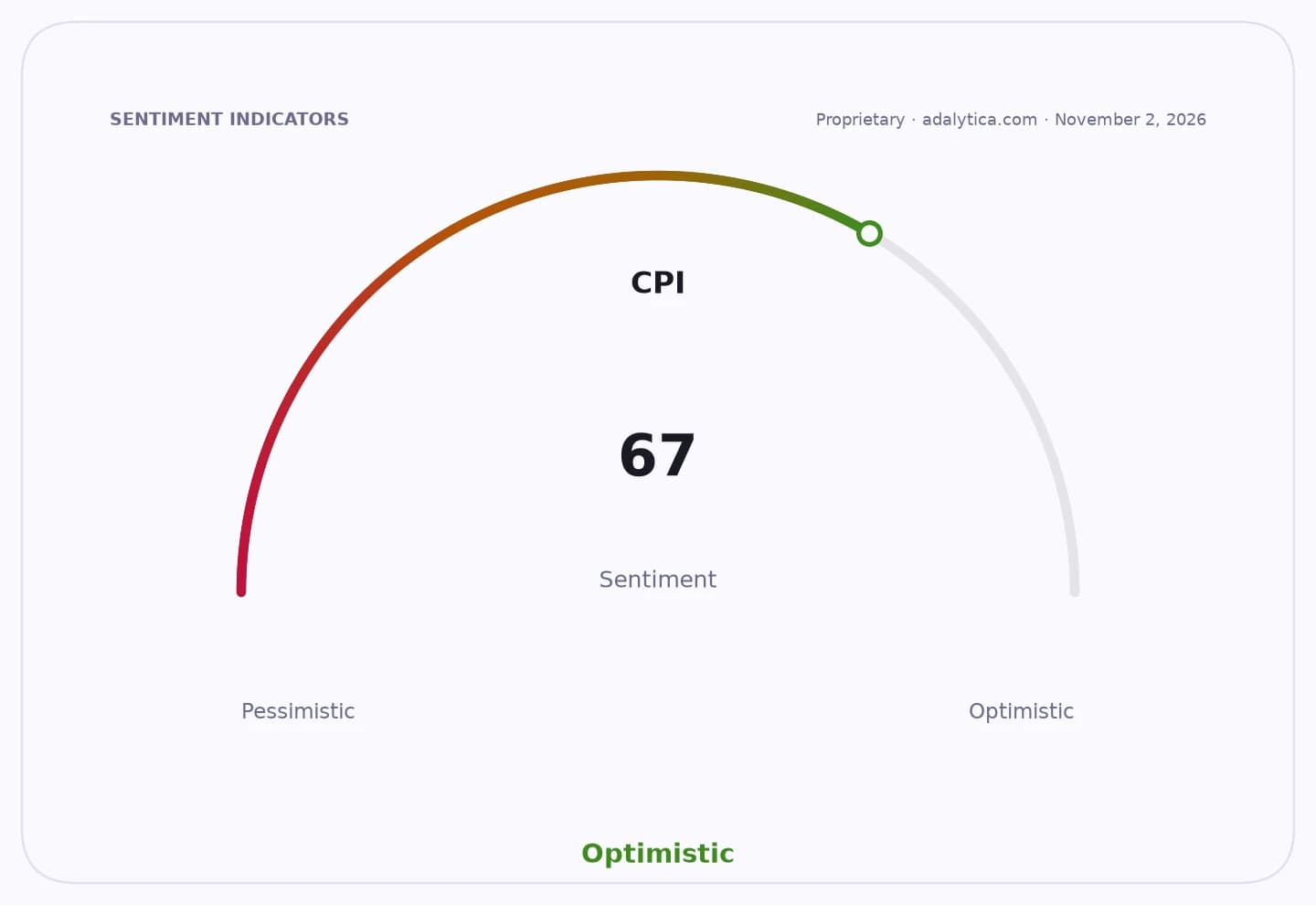
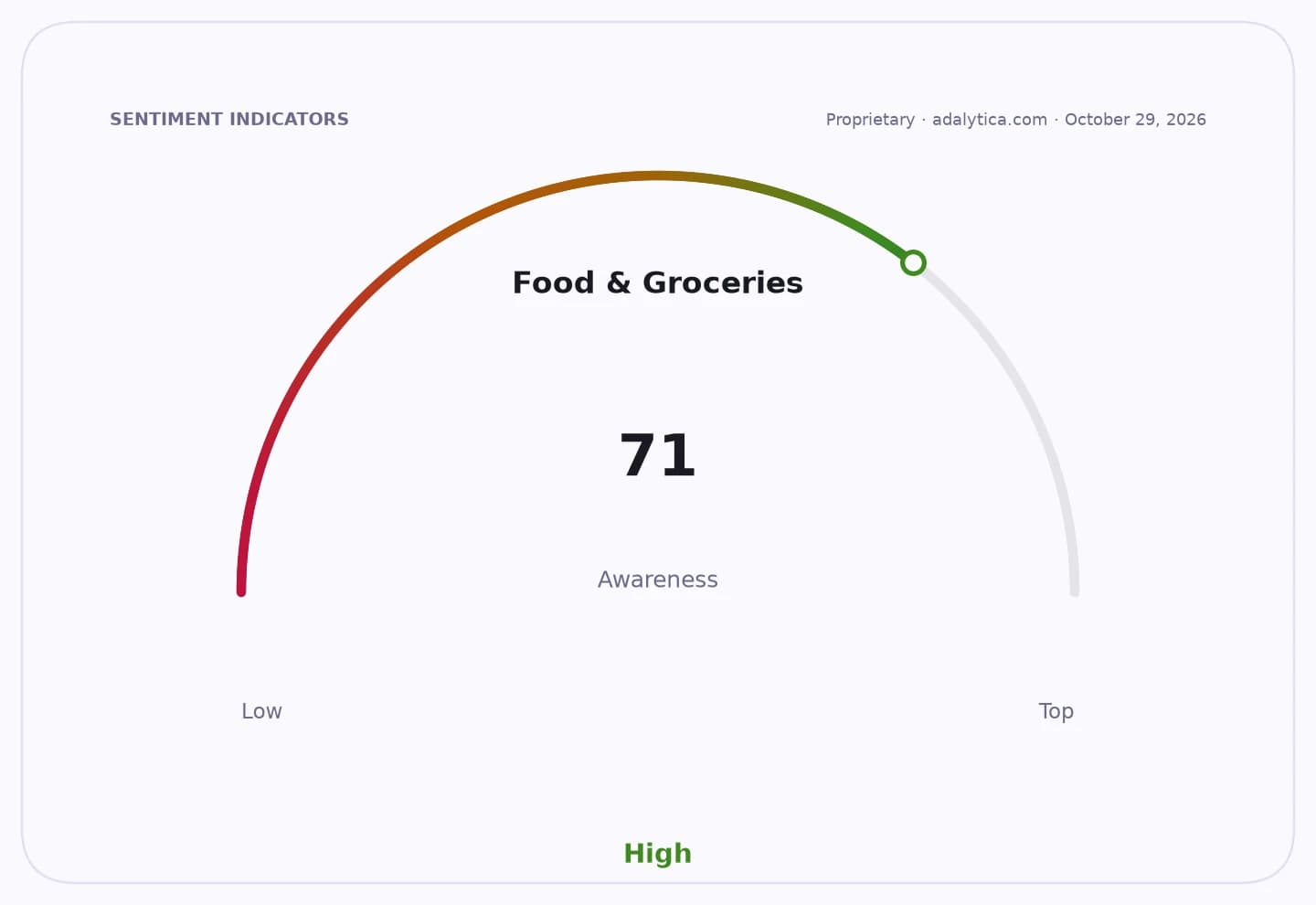
Sentiment Indicators
That matters because Honduras imports much of what it consumes, including oil, food and fertilizers, making it unusually vulnerable to global energy and supply shocks. Higher diesel prices ripple through logistics, refrigeration and distribution costs, which are then passed on to staples in the basic food basket. For families whose paychecks are not keeping pace, the result is a direct hit to real income and a slower economy as discretionary spending gets crowded out.
The social backdrop makes the inflation problem more damaging. More than 60% of Hondurans live in poverty, according to the national statistics institute, and seven in 10 work in the informal economy, where wages are less protected and price shocks are harder to absorb. The unemployment rate has also risen to 7.2% from 4.9%, while subemployment affects more than 2 million people, leaving many households with either too few hours or too little income to keep up with essentials.
Officials have tried to cushion the blow with short-term measures such as diesel price freezes and electricity subsidies, but economists say those steps only soften the immediate impact without fixing the structural problem. Honduras’s dependence on imported energy leaves it exposed to geopolitical tensions and commodity volatility, meaning the same inflation dynamic can return quickly if fuel prices climb again.
For investors and policy makers, the key issue is not just the inflation rate itself but whether higher prices become entrenched in a low-productivity, low-wage economy. If wages remain stagnant, consumer demand will weaken further, reducing room for growth and making the country more dependent on administrative fixes. A durable solution would require more than subsidies: it would need a less import-heavy production base, lower energy exposure and a labor market capable of translating growth into real earnings.
| Entity | Gains | Losses |
|---|---|---|
| Fuel and food importers | ▲Higher nominal sales | ▼Consumers’ real income |
| Government subsidy recipients | ▲Short-term relief | ▼Fiscal flexibility |
| Urban households | ▲Temporary price caps | ▼Purchasing power |
| Informal workers | ▲None | ▼Wage stability |