Airport Authority Hong Kong is betting that a bigger hub and better cross-border access to the Greater Bay Area will help it win more traffic from mainland China, Southeast Asia, Europe and North America, a growth plan that matters because airlines are still judging where demand can support new routes and higher frequencies.
Hong Kong airport expands hub and cross-border access
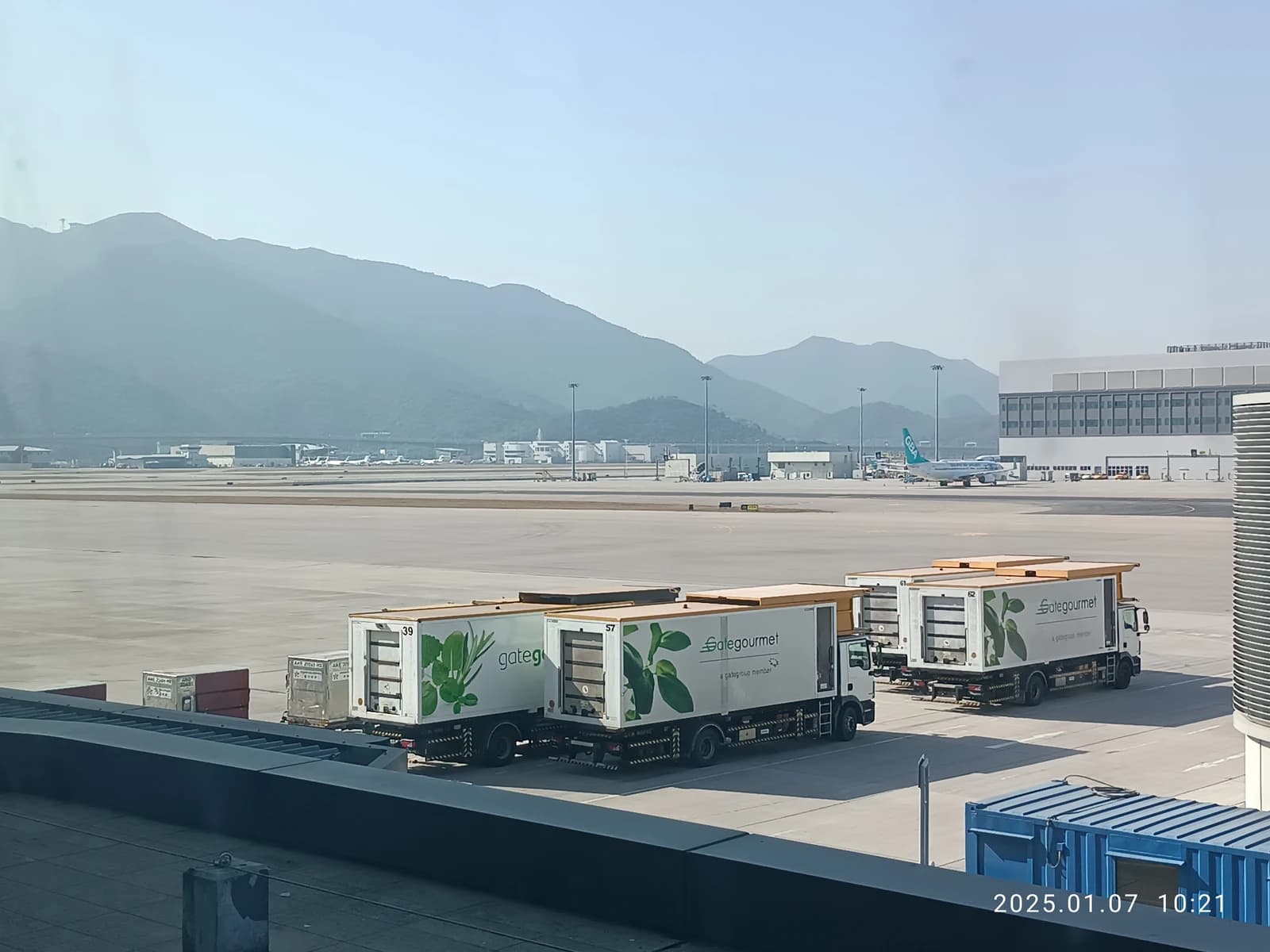
The strategy is economically important because airport connectivity is one of the few levers that can quickly expand trade, tourism and cargo flows without waiting for a broader policy shift. By linking Hong Kong International Airport more tightly to the mainland through ferry and ground transport connections, the authority is effectively enlarging the airport’s catchment area beyond the city’s local population and strengthening the business case for carriers that need deeper origin-and-destination demand to justify capacity.
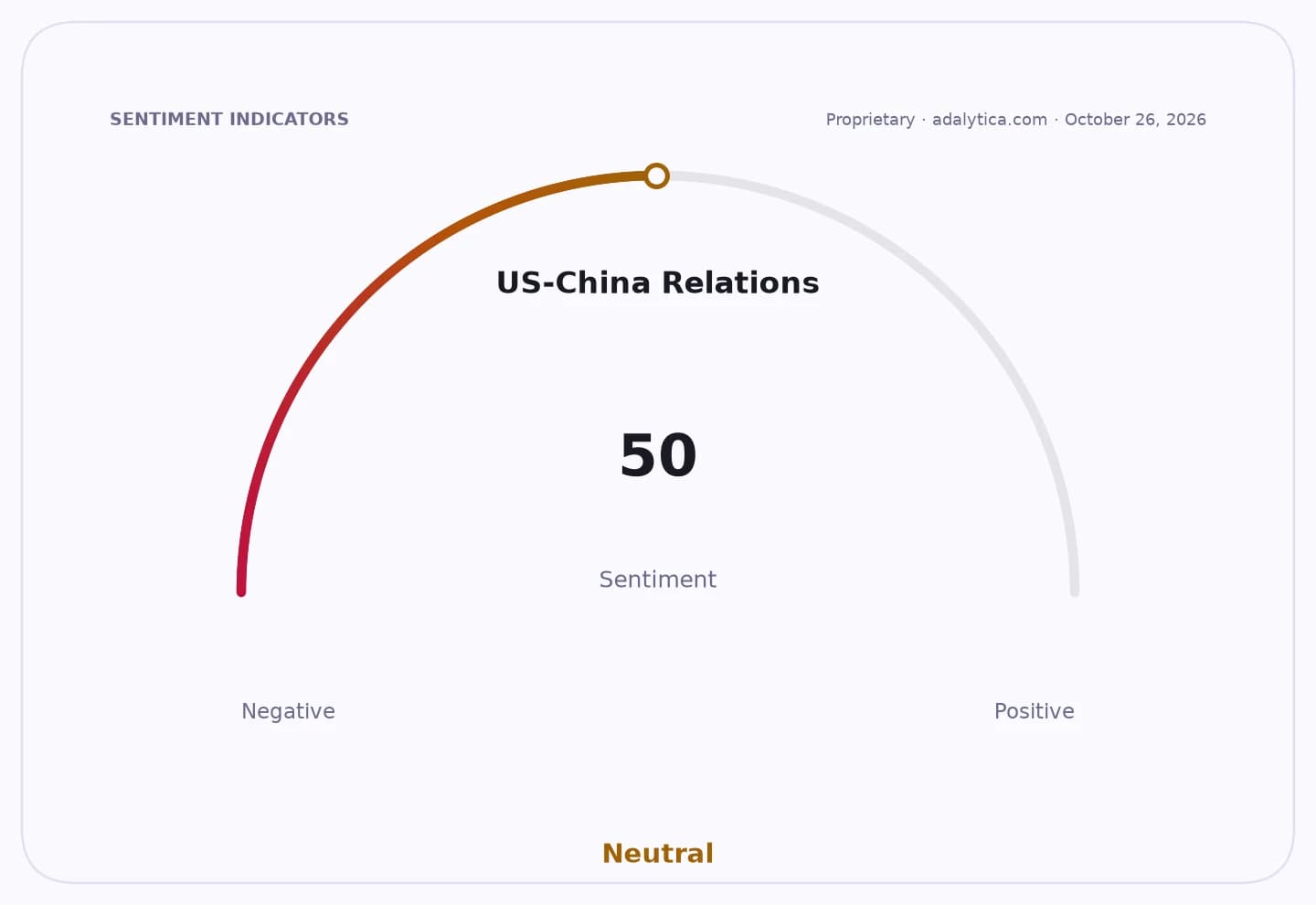
Sentiment Indicators

That pitch comes as the airport’s three-runway system, commissioned in 2024, begins to reshape its competitive position in Asia. Airport Authority Hong Kong says the system lifts long-term capacity by about 50%, allowing the airport to handle as many as 120 million passengers and 10 million tonnes of cargo a year. For airlines, that matters not just in passenger terms but in network economics: more slots, more flexibility and a better ability to run profitable long-haul schedules that depend on both local demand and transfer traffic.
The emphasis on mainland China, Southeast Asia and South Asia also reflects the geography of post-pandemic aviation demand. Regional traffic is typically quicker to rebuild and easier to scale than thinner intercontinental routes, while Europe and North America remain crucial for premium yields, cargo and hub relevance. Hong Kong’s challenge is to balance those markets: enough short-haul feed to fill aircraft, but enough long-haul service to preserve its role as a global connecting airport rather than a primarily regional one.

For investors, the main implication is that Hong Kong is trying to defend and extend its role in the Asia aviation network at a time when competing hubs are also chasing transfer traffic and cargo. The runway expansion improves the physical ceiling, but route growth still depends on airline confidence in demand, fares and geopolitical stability. A successful build-out would support airport revenues, retail spending and cargo throughput; a slower take-up would leave the airport with more capacity than traffic.
The next test will be whether carriers translate the new infrastructure into additional routes and higher frequencies across the target regions. If they do, Hong Kong’s runway expansion could prove a meaningful earnings and throughput catalyst for the airport and its aviation-linked ecosystem.
| Entity | Gains | Losses |
|---|---|---|
| Airport Authority Hong Kong | ▲More route capacity | ▼Higher utilization risk |
| Airlines serving Hong Kong | ▲Bigger catchment area | ▼Fares pressure if supply rises |
| Cargo shippers and exporters | ▲More lift capacity | ▼Less scarce freight space |
| Competing Asian hubs | ▲— | ▼Share of transfer traffic |