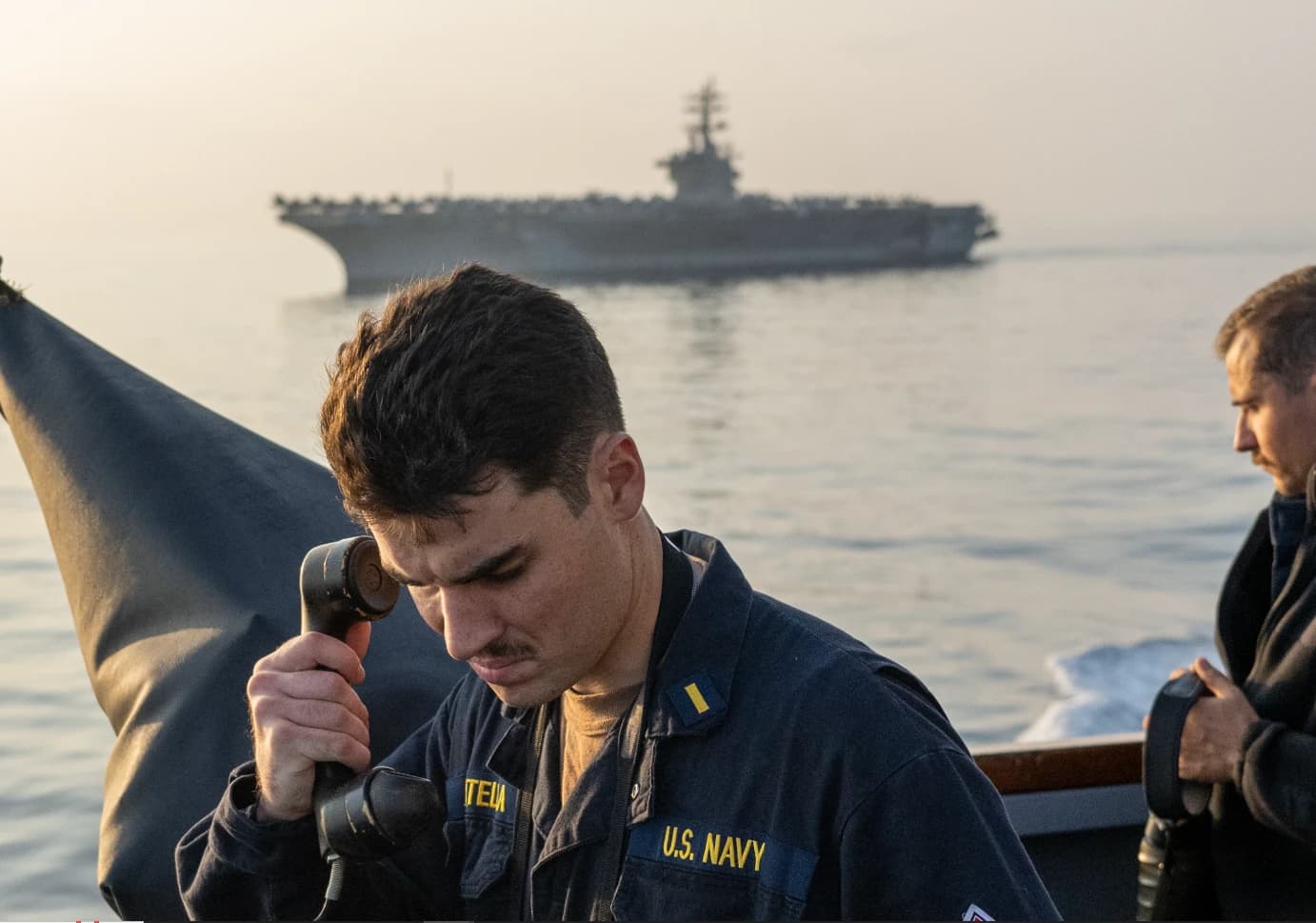
LNG tankers are assembling to pass through the Strait of Hormuz under US military protection, a sign that the world’s most important liquefied natural gas shipping lane remains open for now even as the Iran conflict pushes gas markets to their highest levels since 2022.
Hormuz LNG Tankers Move Under US Protection
The immediate economic significance is that supply is still moving through the chokepoint that carries a large share of seaborne LNG, but only with a higher security premium attached. That keeps cargoes flowing to Asia and Europe while reinforcing a risk bid in benchmark gas prices, which have already jumped on fears that any disruption in the strait could choke off exports from Qatar, the UAE and other Gulf producers.
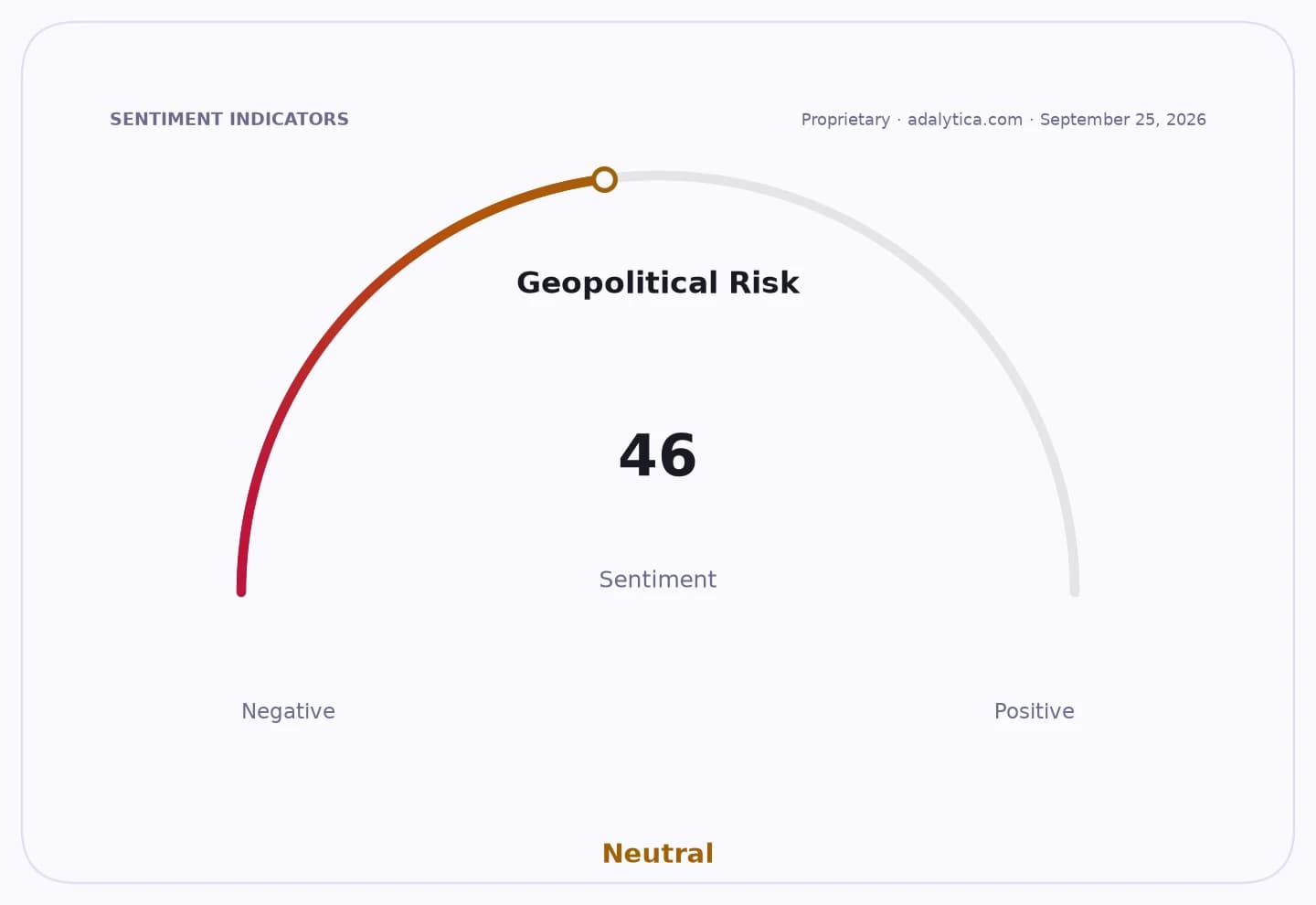
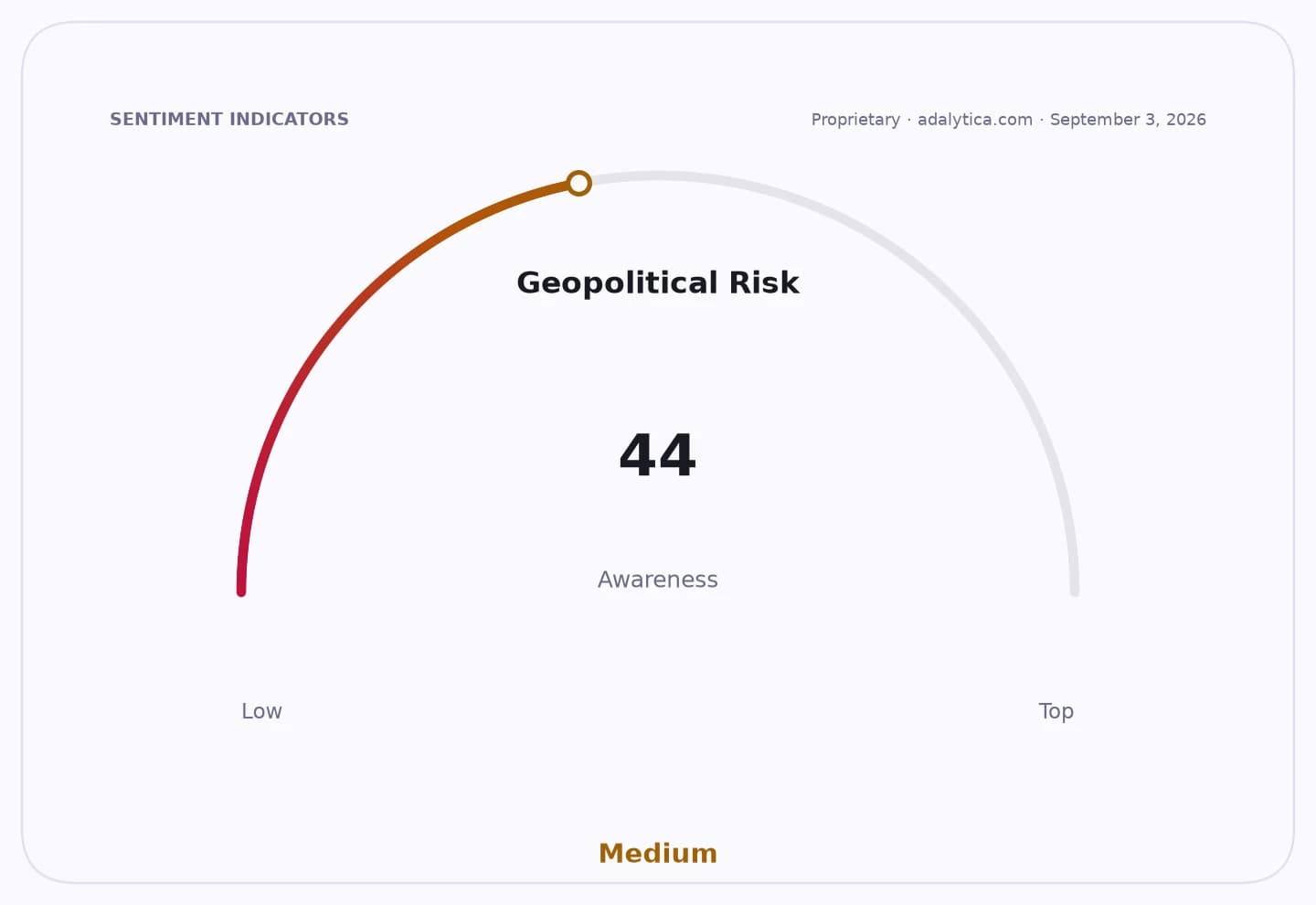
Sentiment IndicatorsⓘProprietary · adalytica.com · September 5, 2026
This is a snapshot — live sentiment, awareness and momentum for 130+ markets update continuously in the dashboard.Open AlphaPulse
For importers, the stakes are straightforward: if Hormuz traffic is interrupted, replacement LNG would be expensive and slow to secure, especially for buyers in Asia that are already facing elevated spot prices. The Reuters news flow also shows that the market is not pricing in a full shutdown yet. ADNOC continues to load and export through the route, and ship-to-ship transfers are being used to keep cargoes moving, suggesting producers and traders are trying to preserve export volumes even as military risk rises.
The broader market reaction has been sharp. Asian LNG prices have surged to their highest since 2022, while European gas prices have also risen on concern that a regional war could spill into energy trade. That matters well beyond gas-fired power plants: higher LNG prices feed into electricity costs, industrial margins and inflation expectations, particularly in countries that rely on spot cargoes rather than long-term contracts.
For investors, the key implication is that the conflict is now being transmitted directly into energy pricing and tanker economics. LNG shipping shares are drawing support from the prospect of elevated freight rates, tighter vessel availability and longer, riskier routing decisions. Cheniere and other exporters with contracted volumes are better insulated on revenue than spot-exposed buyers, but the whole chain faces higher volatility if insurance costs, war-risk premiums or naval escorts become a persistent feature of Hormuz transit.
The technical backdrop in LNG-related equities reflects that stress. The LNG index has pushed to 292.0, above its 50-day and 200-day moving averages, with RSI at 75.6 and prices near the upper Bollinger Band, a sign the move has become extended even as momentum remains positive. FLNG has also held near recent highs, ending at 31.51, above both key moving averages and with RSI at 61.5, indicating investors are still paying for exposure to shipping resilience.
The bigger narrative is that Hormuz has moved from a theoretical risk to an active market variable. As long as tankers keep moving under protection, the immediate damage may remain limited to higher prices and insurance costs. But the combination of military escalation, heavy concentration of LNG flows and already-tight global gas balances means traders will keep treating any headline from the strait as a potential catalyst for another leg higher in energy markets.
| Entity | Gains | Losses |
|---|---|---|
| LNG tanker owners | ▲Higher freight and insurance rates | ▼War-risk exposure |
| LNG exporters | ▲Cargoes still moving | ▼Margin pressure from volatility |
| Asia and Europe buyers | ▲Supply available for now | ▼Higher spot prices |
| Short gas traders | ▲— | ▼Squeezed by supply fears |