Few tankers are entering the Strait of Hormuz to load oil as attacks and military tensions raise the cost of moving energy through the world’s most important chokepoint, and that is exactly why investors should care. When shipping slows in Hormuz, the first market impact is usually not a shortage at the pump but a scramble for cargoes, vessels and insurance — a chain reaction that can lift freight rates, support crude prices and reward owners of ships already in the water.
Hormuz Tensions Lift Tankers, Pressure Importers

The biggest economic issue is not just the immediate drop in tanker traffic. It is the possibility that a temporary security scare becomes a persistent trade disruption. The Strait of Hormuz carries a huge share of seaborne oil and LNG, so even a modest pullback in loadings can force refiners, traders and utilities to pay up for flexibility. That is especially true when floating storage starts to rise, because more cargoes sitting at sea tie up ships and reduce the effective supply of available tankers.
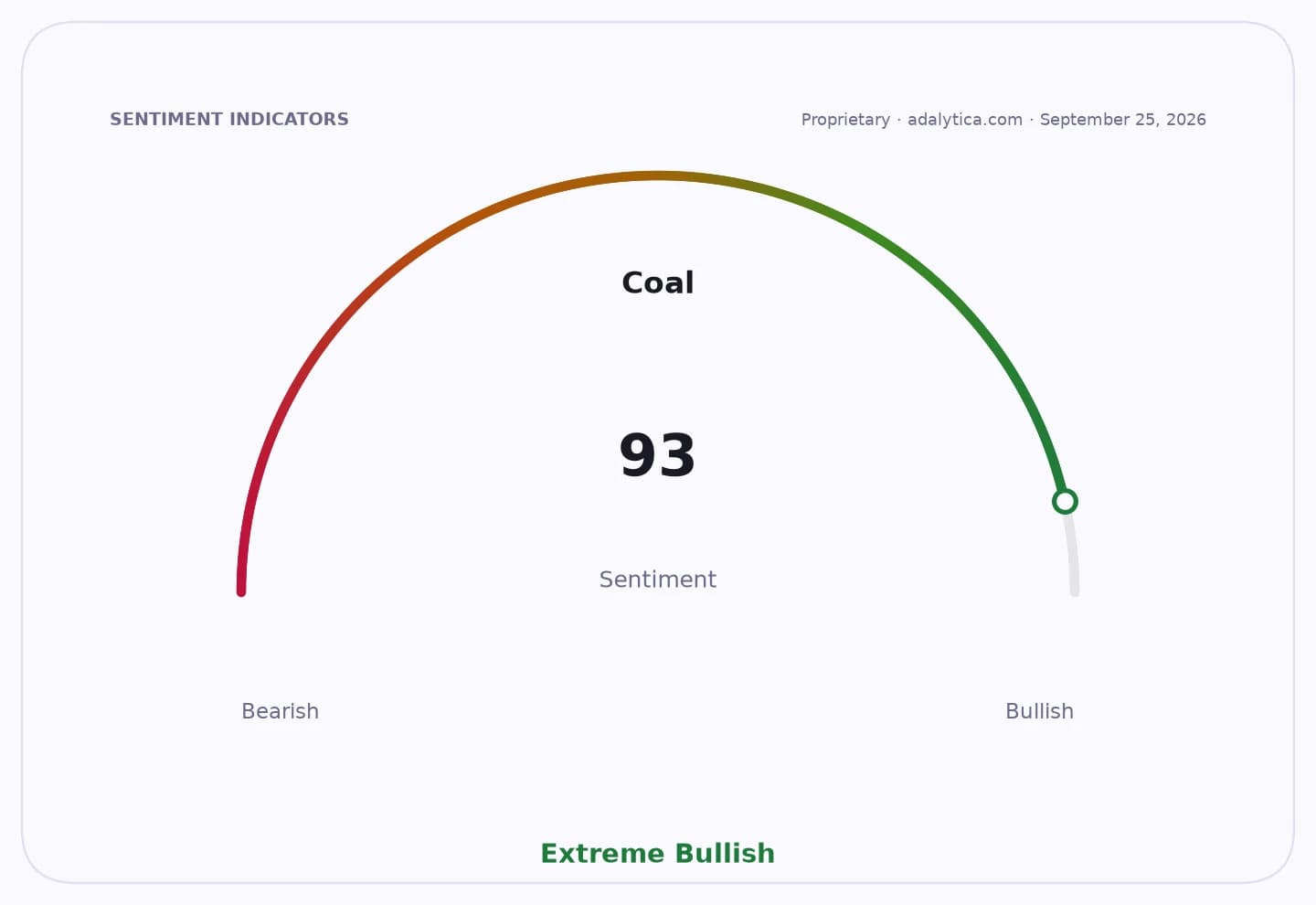
Sentiment IndicatorsⓘProprietary · adalytica.com · July 20, 2026
This is a snapshot — live sentiment, awareness and momentum for 130+ markets update continuously in the dashboard.Open AlphaPulse

That dynamic matters for energy markets on both sides of the ledger. Oil buyers face higher logistical costs and more volatile feedstock prices. Sellers may still move barrels, but at a steeper discount to certainty. For gas, the rise in LNG floating storage is a warning sign that the market is already adjusting to more friction in shipping routes, even before any formal blockade or broader escalation.
The equity market has already begun to price in that tension. Nordic American Tankers, which operates crude carriers, has climbed to around $6.05 from about $5.70 at the start of May, while LNG Ltd. has surged to roughly $262.60 from near $205 in January. Those gains are not just about geopolitics, but they show how quickly investors can revalue shipping-linked assets when supply chains become scarcer and charter rates look stronger. Crude itself has also been volatile, with front-month prices jumping sharply earlier in the year before easing back to the low-$80s a barrel, underscoring how geopolitical risk can create large, fast swings without a lasting change in physical supply.
Geopolitical Risk vs NATadalytica.com
Explore this data interactively — full history, time series and cross-market comparisons.Open AlphaPulse

For long-term investors, the key question is whether this is a one-off shock or another reminder that energy transport is a strategic bottleneck. Companies with exposure to tanker day rates and LNG logistics tend to benefit when shipping bottlenecks widen, but those gains can reverse just as quickly if tensions cool. That is why the better lesson here is not to chase a single move, but to understand how geopolitics can reshape cash flows across the entire energy chain.
If the situation in Hormuz stays tense, the winners are likely to be shipowners, commodity traders and producers with flexible export options. The losers are refiners, importers and consumers who pay for disruption through higher freight, tighter availability and potentially firmer fuel prices. For investors, this is a reminder to keep energy exposure diversified and think in years, not days — because chokepoints like Hormuz can turn into powerful, if temporary, profit engines for the right businesses.
| Entity | Gains | Losses |
|---|---|---|
| Tanker owners | ▲Higher charter rates | ▼Idle-capacity risk |
| LNG ship operators | ▲More floating storage demand | ▼Route disruption costs |
| Oil and gas importers | ▲None | ▼Higher fuel and freight costs |
| Commodity traders | ▲Arbitrage opportunities | ▼Greater volatility risk |