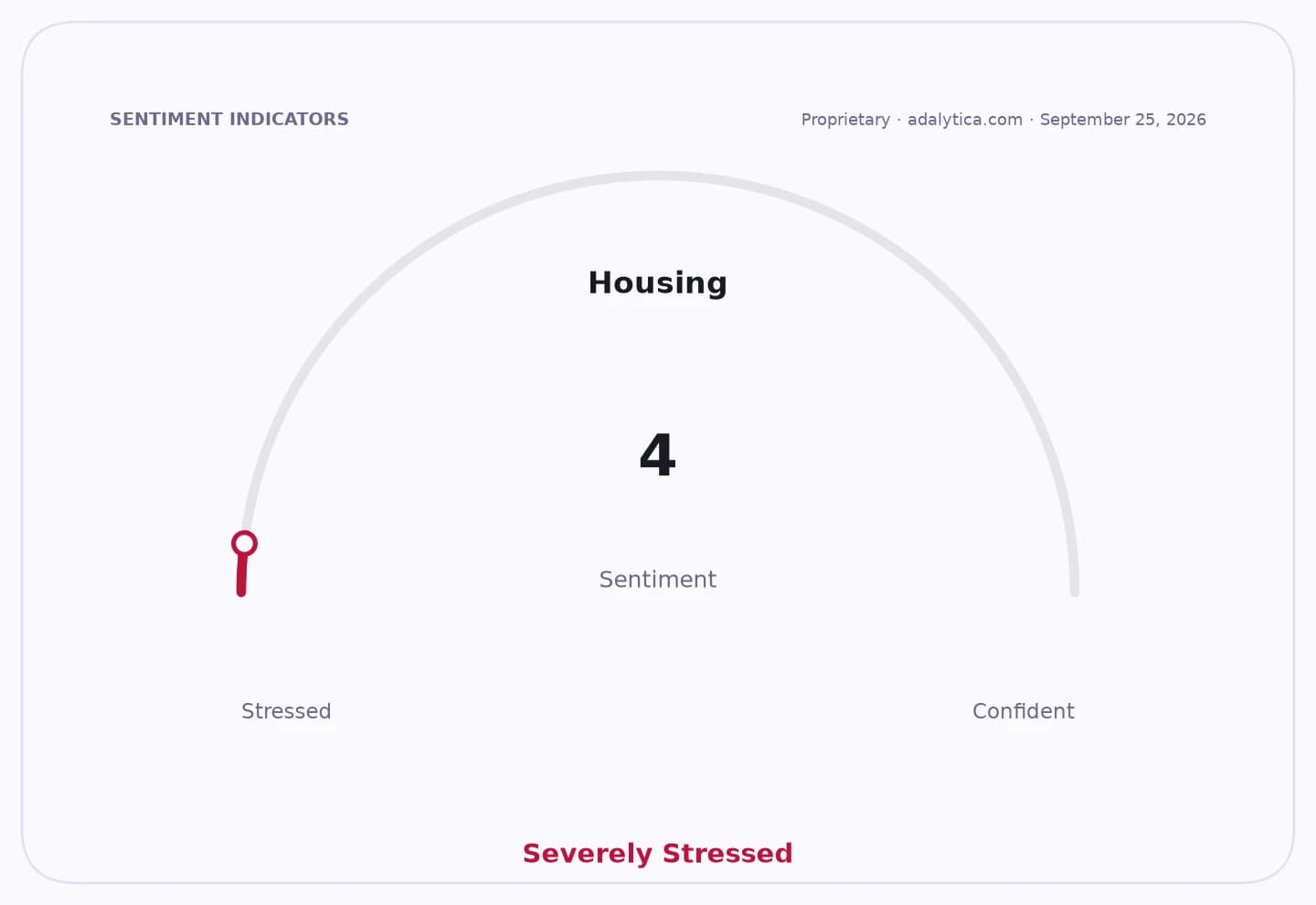
If you’re shopping for a new-build home this summer, the biggest thing to understand is that affordability is being driven less by the brochure and more by mortgage rates, housing supply and the market’s appetite for new construction.
Housing affordability still hinges on rates and supply
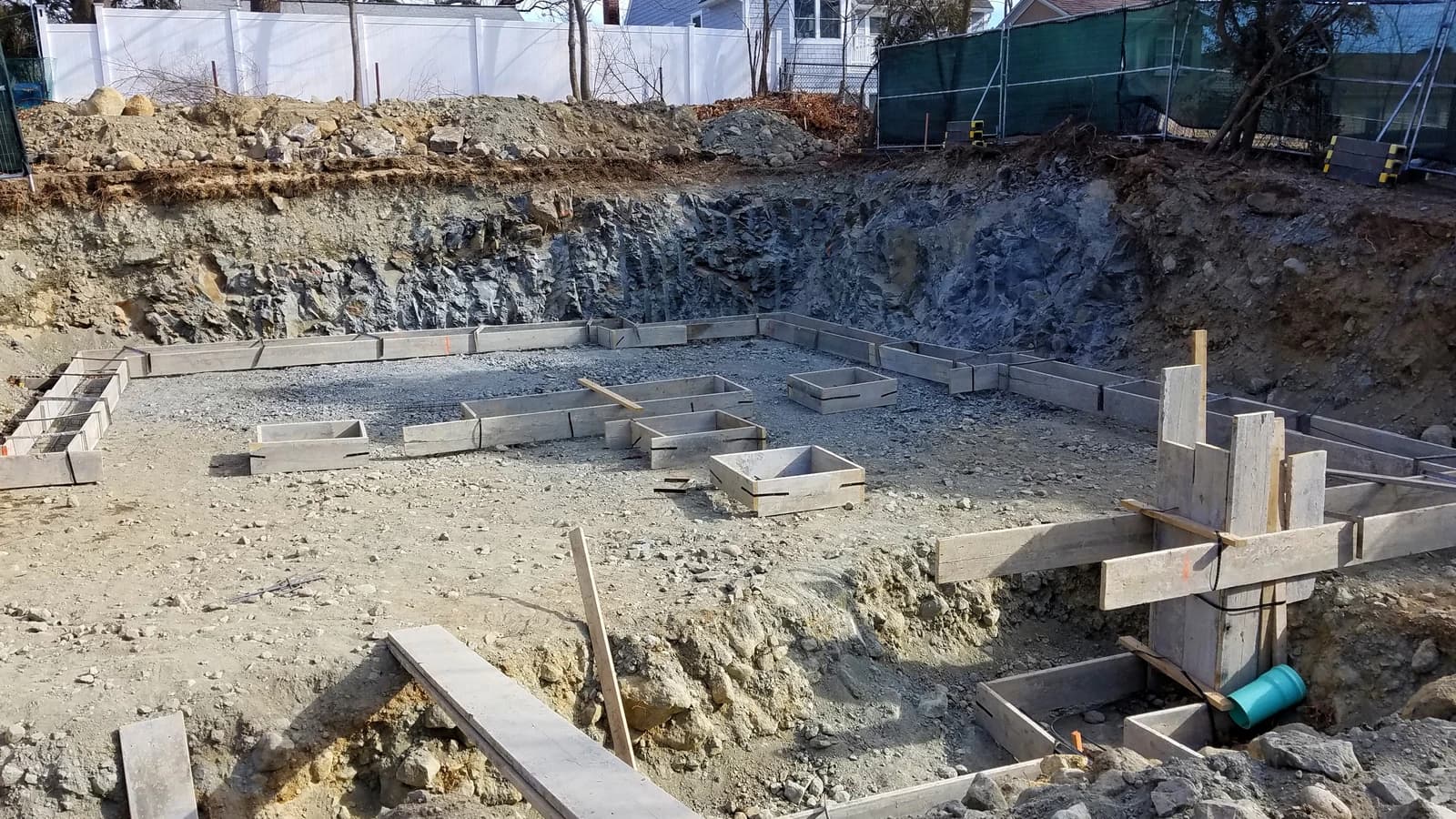
That matters because a new home is not just a lifestyle choice. For families, it’s a long-duration financial commitment, and for investors it’s a window into whether housing demand is durable enough to support builders, mortgage lenders and home improvement companies even with borrowing costs still elevated around 4.6% on the 10-year Treasury.
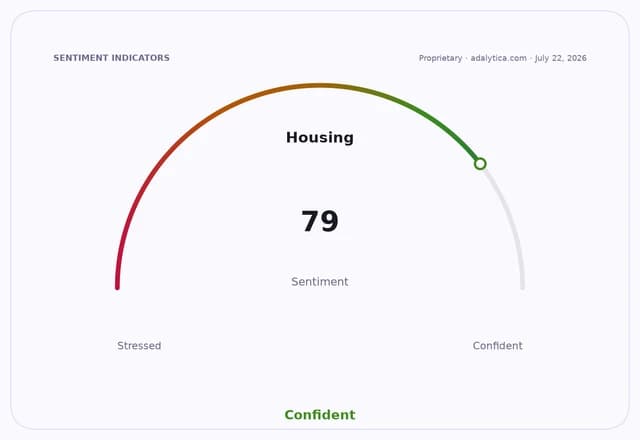
The housing data say the market is still trying to find balance. New residential construction activity has been choppy, with the latest monthly reading implied by the forecast pointing to a drop after a June rebound. At the same time, the S&P CoreLogic Case-Shiller home-price index continues to sit near record highs, a reminder that even as some builders are forced to compete harder on incentives, the underlying cost of buying a home remains stubbornly high.
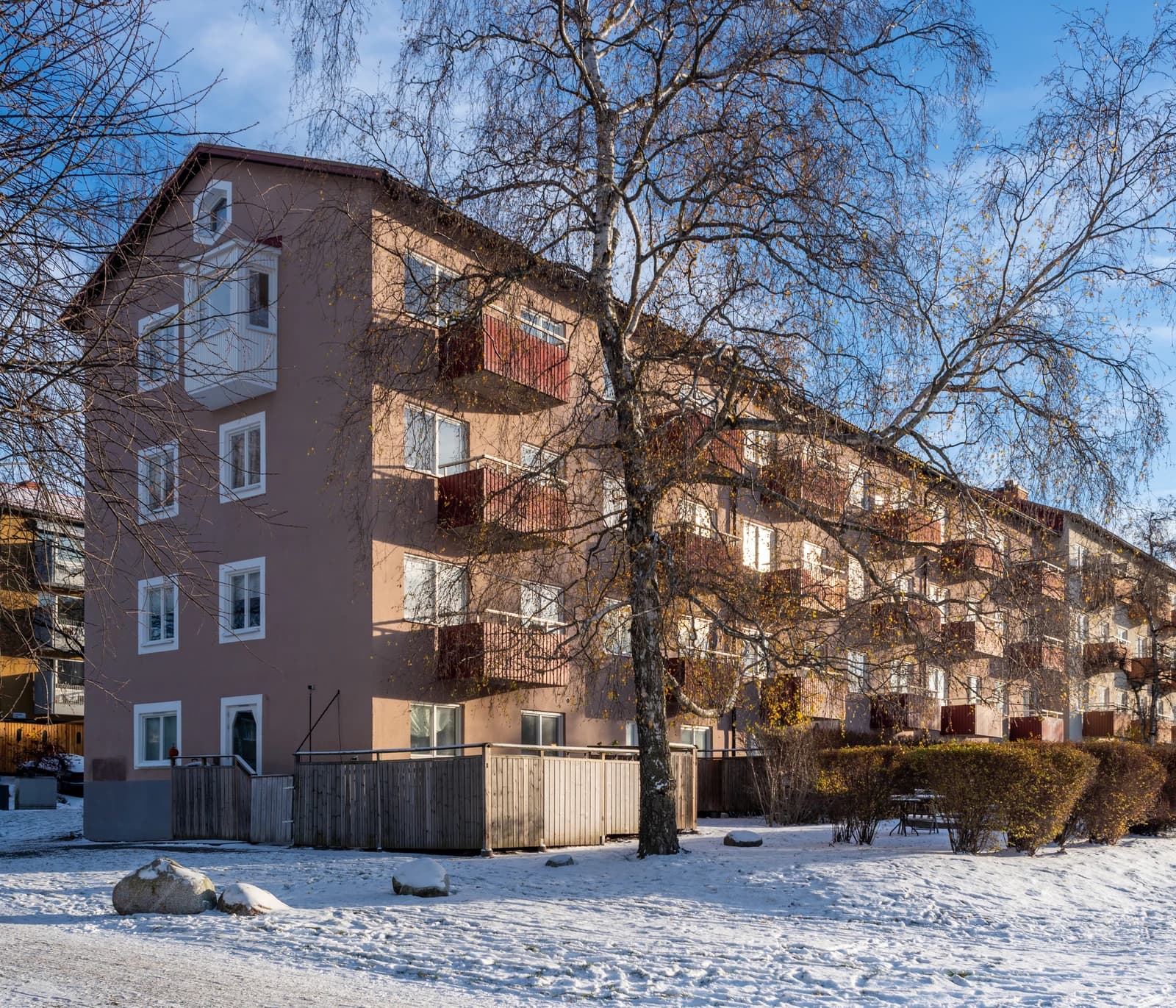
That is why new-build homes can still command attention. They often offer what buyers value most in a tighter market: modern layouts, energy efficiency, lower near-term maintenance and, increasingly, the kind of safety and comfort features families are willing to pay for. The latest projects highlighted in the market, including developments such as Botanica, are leaning hard into that message. In a housing market where affordability is stretched, peace of mind has become part of the sales pitch.
For investors, the message is more nuanced. Housing ETFs such as ITB and XHB have both pulled back from earlier highs and now trade below their 200-day moving averages, with technical readings showing weaker momentum. That suggests the market is no longer rewarding builders simply for being exposed to a structurally short housing market. It wants evidence of pricing power, order growth and disciplined margins.
The earnings landscape supports that caution. Major builders have pointed to lower average selling prices, thinner margins and the need to use pricing actions to keep orders moving. That tells you demand is still there, but it is selective. Buyers want quality, yet they are also highly rate-sensitive. Even a modest change in financing costs can reshape what families can afford and what builders can charge.
That tension is the core investment story here. Higher mortgage rates keep pressure on monthly payments, while limited supply and household demand keep home prices from falling far enough to fully restore affordability. Builders that can offer desirable communities, efficient designs and predictable delivery schedules should keep winning share. Those that rely on volume alone may struggle.
The broader opportunity remains intact over a multiyear horizon. America still needs more housing, and family buyers are not disappearing. But investors should be patient, diversified and selective, because the winners in housing are likely to be the companies that can turn scarcity, safety and convenience into sustained free cash flow.
| Entity | Gains | Losses |
|---|---|---|
| New-home buyers | ▲Better layouts and amenities | ▼Higher monthly payments |
| Homebuilders | ▲Premium on quality communities | ▼Margin pressure from incentives |
| Housing ETFs like ITB and XHB | ▲Long-term housing exposure | ▼Near-term momentum weakness |
| Mortgage-sensitive buyers | ▲More negotiating room | ▼Less affordability at current rates |