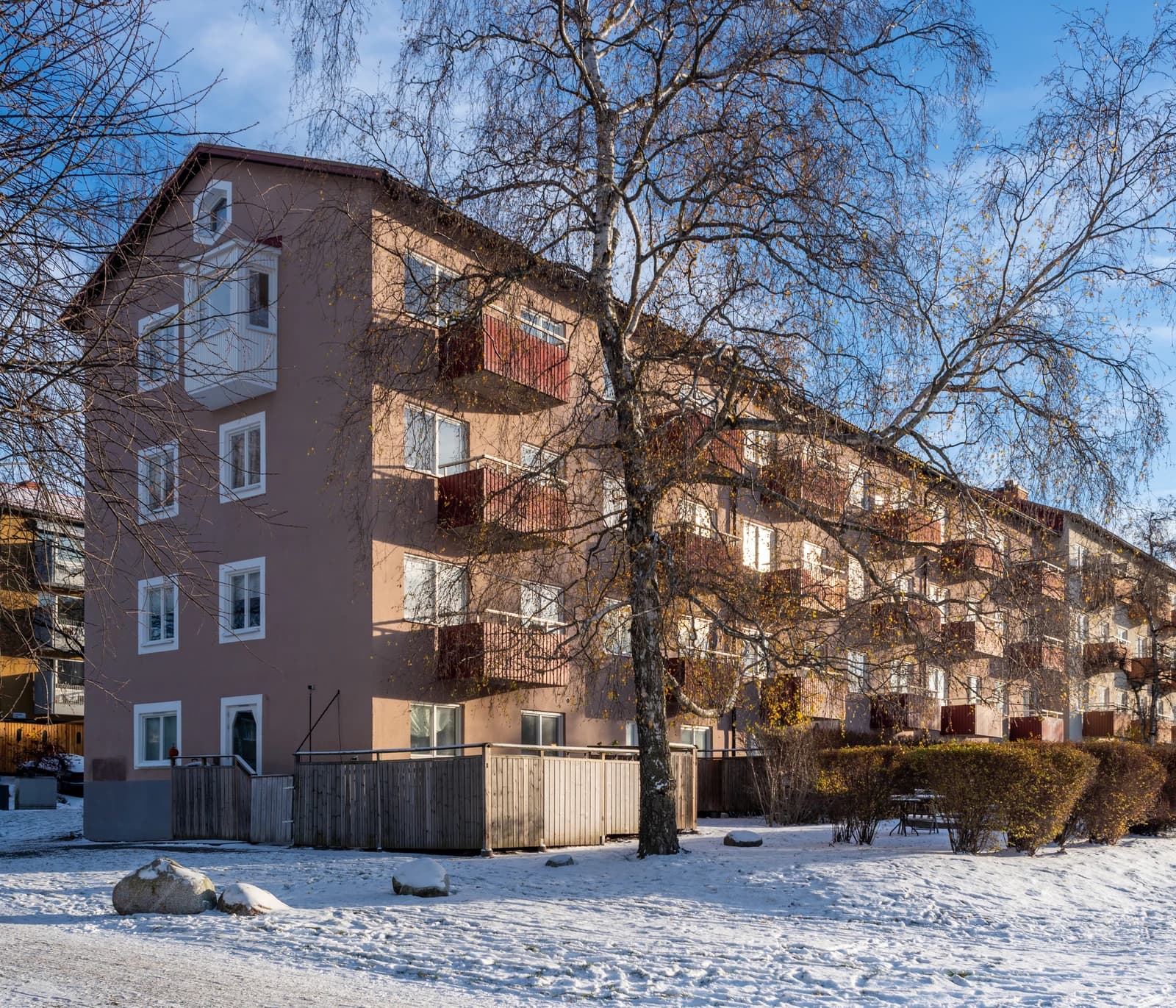
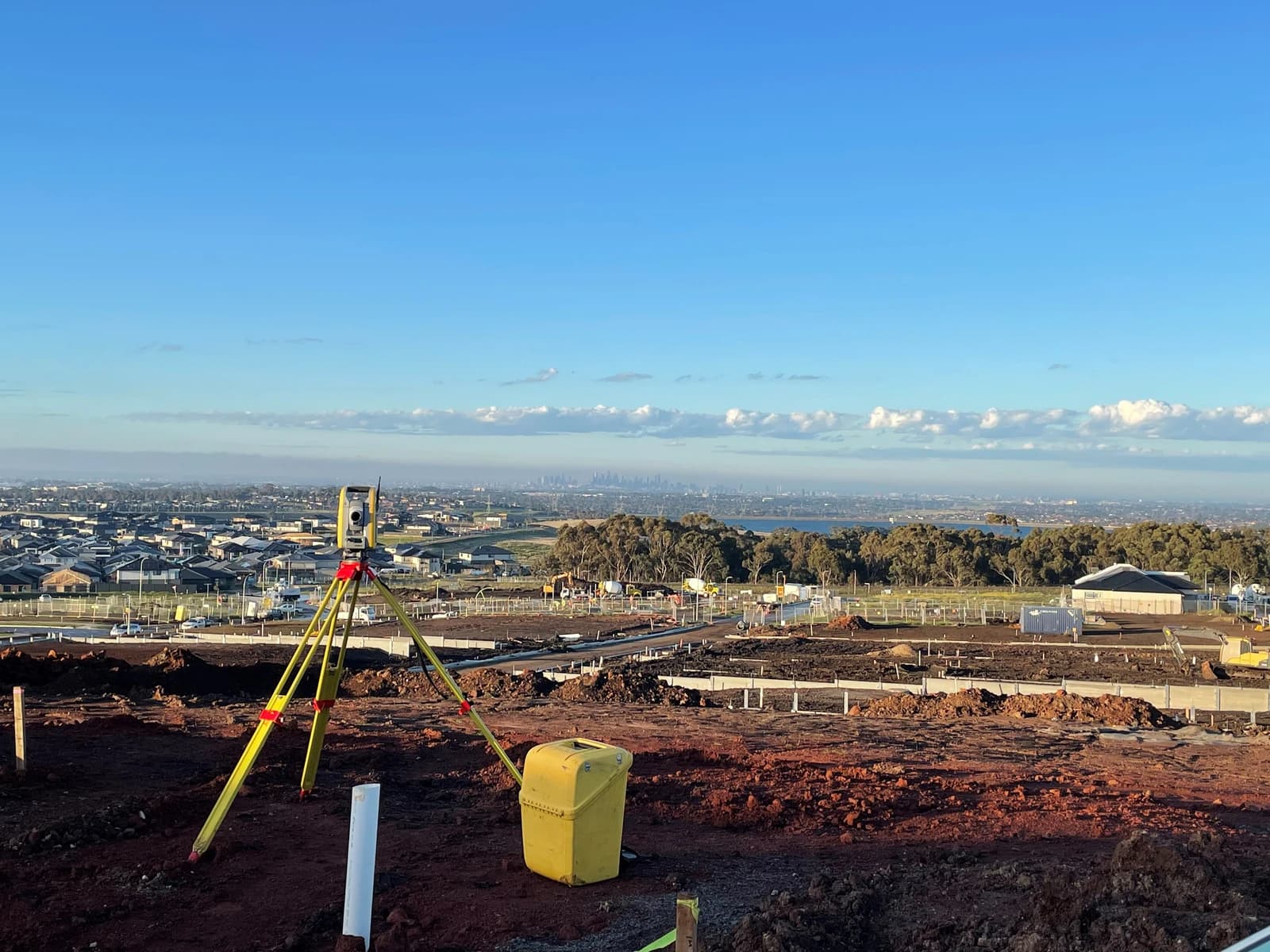
A single-family home in Momence sold for $232,500, underscoring a housing market that is still clearing at elevated price levels even as affordability remains strained and builders increasingly use incentives to keep sales moving.
Housing Prices Hold, Builders Lean on Incentives
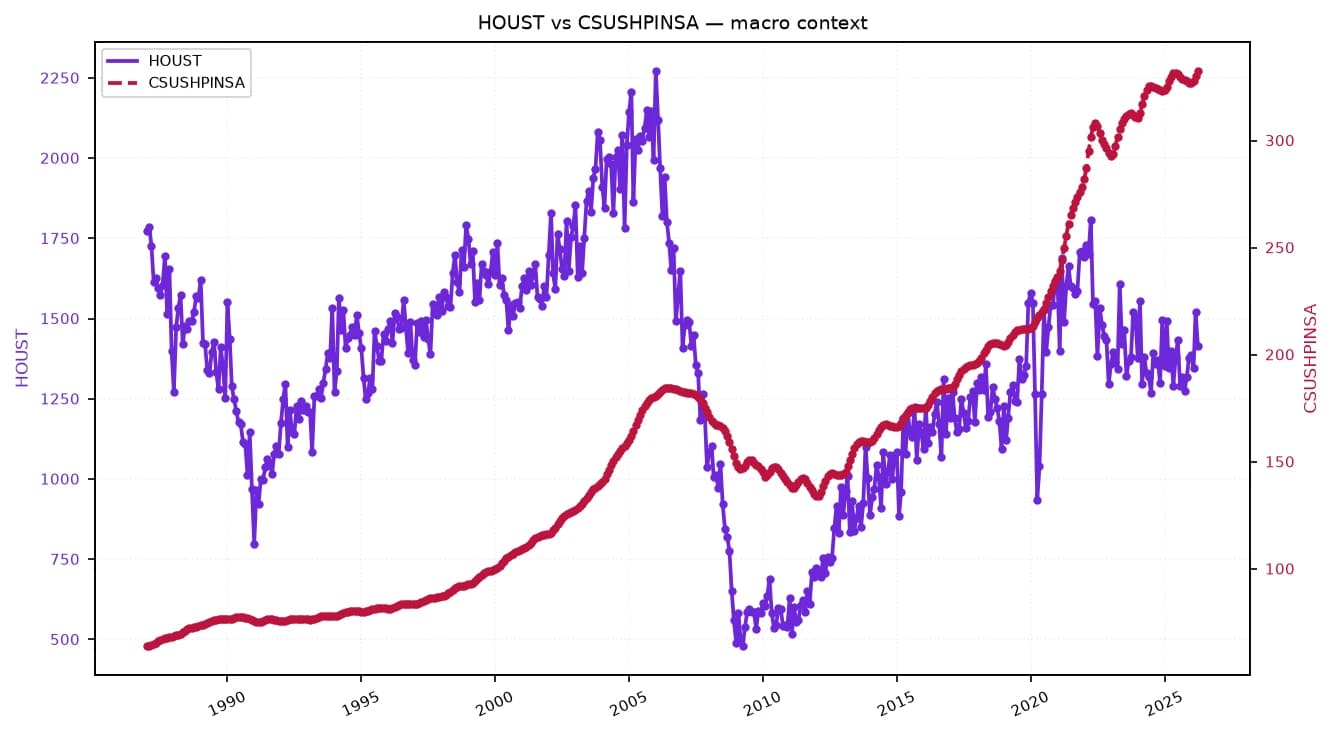
The transaction fits a broader pattern in U.S. housing: prices are no longer surging at the pace seen in the pandemic boom, but they have not rolled over either. The S&P CoreLogic Case-Shiller national home price index was up to 332.678 in April 2026 from 326.695 in January, showing modest monthly gains, while the housing market backdrop remains tight enough to keep individual sales prices from falling sharply. A forecast for July points to a slight pullback in housing starts, suggesting construction activity is still being restrained by financing costs, land prices and weaker demand.
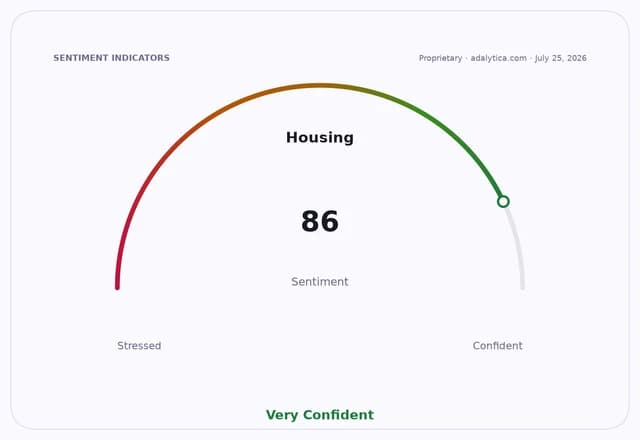
That matters because housing is one of the clearest transmission channels for the economy. When homes continue to trade at roughly the same level, homeowners retain equity, local tax bases hold up and consumer balance sheets avoid the kind of damage that can trigger broader retrenchment. At the same time, higher prices keep affordability under pressure for first-time buyers, forcing them into smaller markets, lower price points or delayed purchases.
The latest company filings show how builders are responding. M/I Homes said it has been offering mortgage rate buydowns and other incentives to support demand and reduce cancellations, while its backlog fell 23% year over year, reflecting weaker demand and a shift toward inventory homes. D.R. Horton reported that its single-family rental-home business closed 601 units in the latest quarter, down 44% from a year earlier, with average selling prices also lower. Those disclosures suggest the market is still moving, but only with more price discipline and more help from sellers.
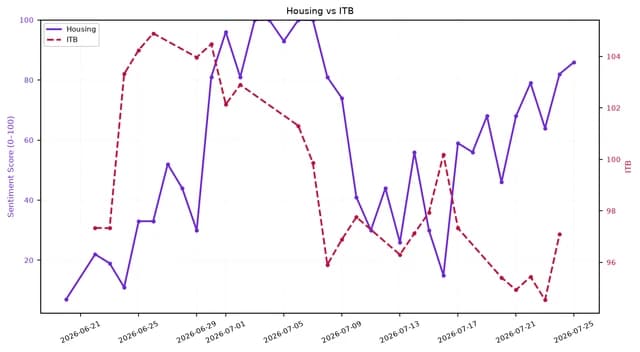
Homebuilder and housing exchange-traded funds have been volatile as investors try to gauge whether the industry is stabilizing or slipping into a slower-growth phase. The ITB homebuilder ETF remains below its 200-day moving average, even after a rebound from spring lows, while the XHB ETF has also struggled to reclaim momentum. That tells investors the market is pricing in resilience, but not a return to the kind of easy volume growth that supported builders in 2021 and 2022.
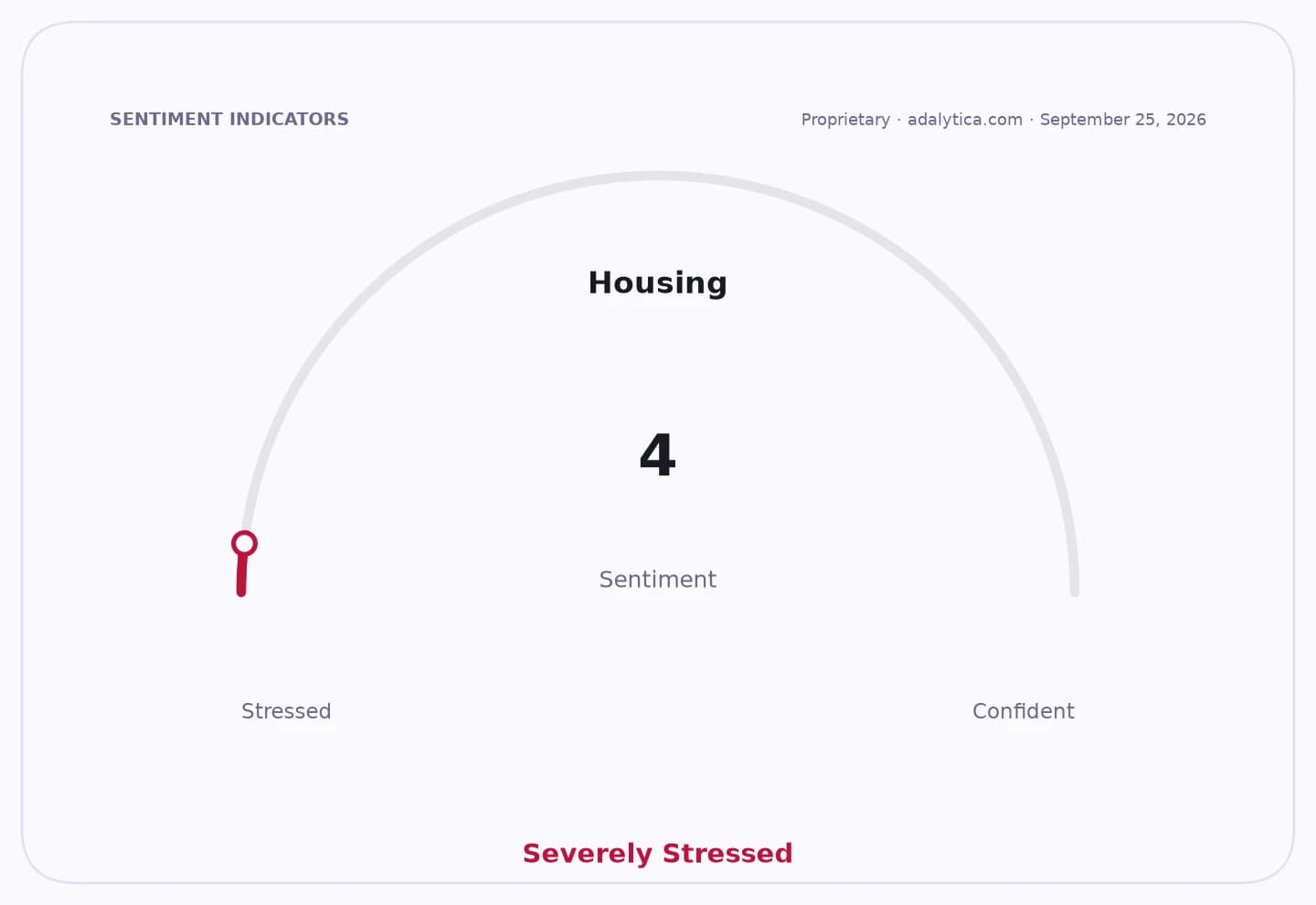
The macro backdrop is mixed. The unemployment rate at 4.2% remains low by historical standards, which helps sustain household formation and mortgage performance, but it also leaves the Federal Reserve little reason to deliver aggressive easing. Mortgage rates, financing costs and buyer psychology therefore remain the key swing factors. On the sentiment side, Adalytica’s Housing and Rent Inflation gauge is flashing “Extreme Greed,” while its S&P 500 trade signals show “Extreme Fear,” a split that captures the tension between sticky shelter costs and broader market caution.
For investors, the main takeaway is that a Momence sale at $232,500 is less about one small-town closing than about the market clearing mechanism underneath U.S. housing. Prices are still supported, but the burden of preserving demand is increasingly falling on incentives, not appreciation. If rates ease, builders could regain volume; if they do not, the sector may remain stuck in a slow grind where winners are companies with pricing power and balance sheet flexibility, and losers are those counting on broad-based price acceleration.
| Entity | Gains | Losses |
|---|---|---|
| Sellers / homeowners | ▲Stable exit prices | ▼Limited upside |
| Homebuilders | ▲Incentive-led demand | ▼Margin pressure |
| First-time buyers | ▲More inventory choice | ▼Affordability strain |
| Mortgage-rate sensitive stocks | ▲Rate relief potential | ▼Slow volume growth |