IBM is making a long-term push to turn Southeast Asia’s AI ambitions into practical worker skills, and that matters because the next phase of artificial intelligence won’t just be won by chips and models — it will be won by adoption.
IBM Pushes AI Skills Across Southeast Asia
That is the real significance of IBM Think Singapore 2026, a regional event aimed at accelerating AI capability-building across Southeast Asia, including cities such as Samarinda. For investors, the message is straightforward: the companies that help businesses and governments actually use AI stand to benefit as spending shifts from experimentation to deployment. In a market still dominated by the race for compute, the quieter opportunity may be in training, integration and workflow transformation.
IBM has been leaning into that idea for years. Its long-term case has rested on enterprise software, consulting and hybrid cloud, not consumer hype. That matters in Southeast Asia, where labor markets are young, digital adoption is rising and governments are under pressure to improve productivity without widening inequality. AI skills programs fit that need neatly. They can help firms automate routine work, improve decision-making and raise output without requiring a wholesale overhaul of the workforce.
The broader economic logic is hard to ignore. If businesses in Indonesia, Singapore, Malaysia and neighboring markets can train employees to use generative AI responsibly, the payoff is higher productivity and faster diffusion of technology across sectors like banking, logistics, manufacturing and public services. That is especially important in emerging economies, where the gap between AI potential and real-world implementation is still wide. Skill-building is what closes that gap.
It also gives IBM a strategic advantage over vendors selling only infrastructure. Cloud and chip demand may grab the headlines, but enterprises need partners that can translate AI into measurable outcomes. That is where IBM’s consulting muscle and software stack come in. A program focused on AI literacy and practical deployment can deepen customer relationships, support recurring revenue and keep IBM embedded in transformation budgets for years.
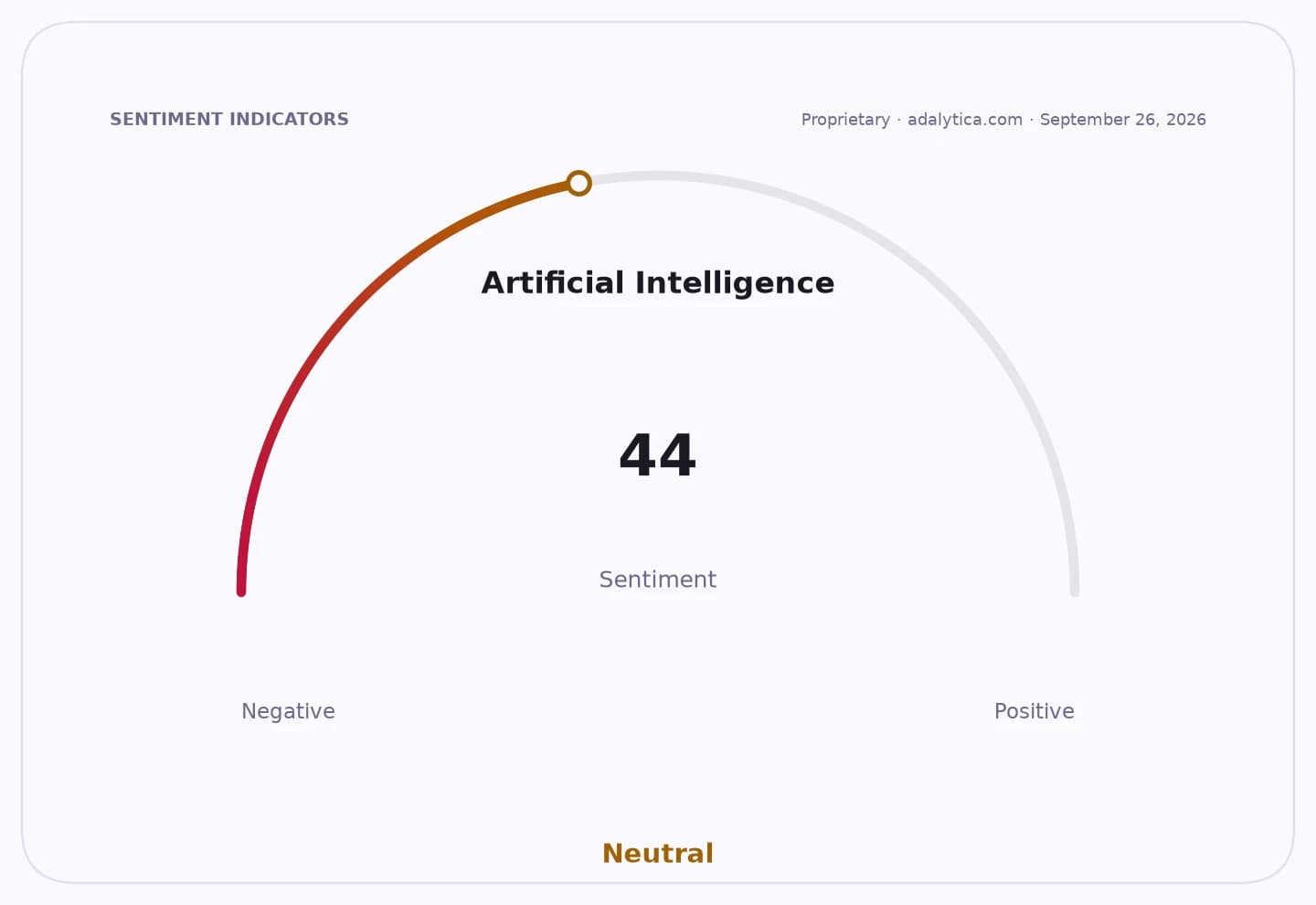
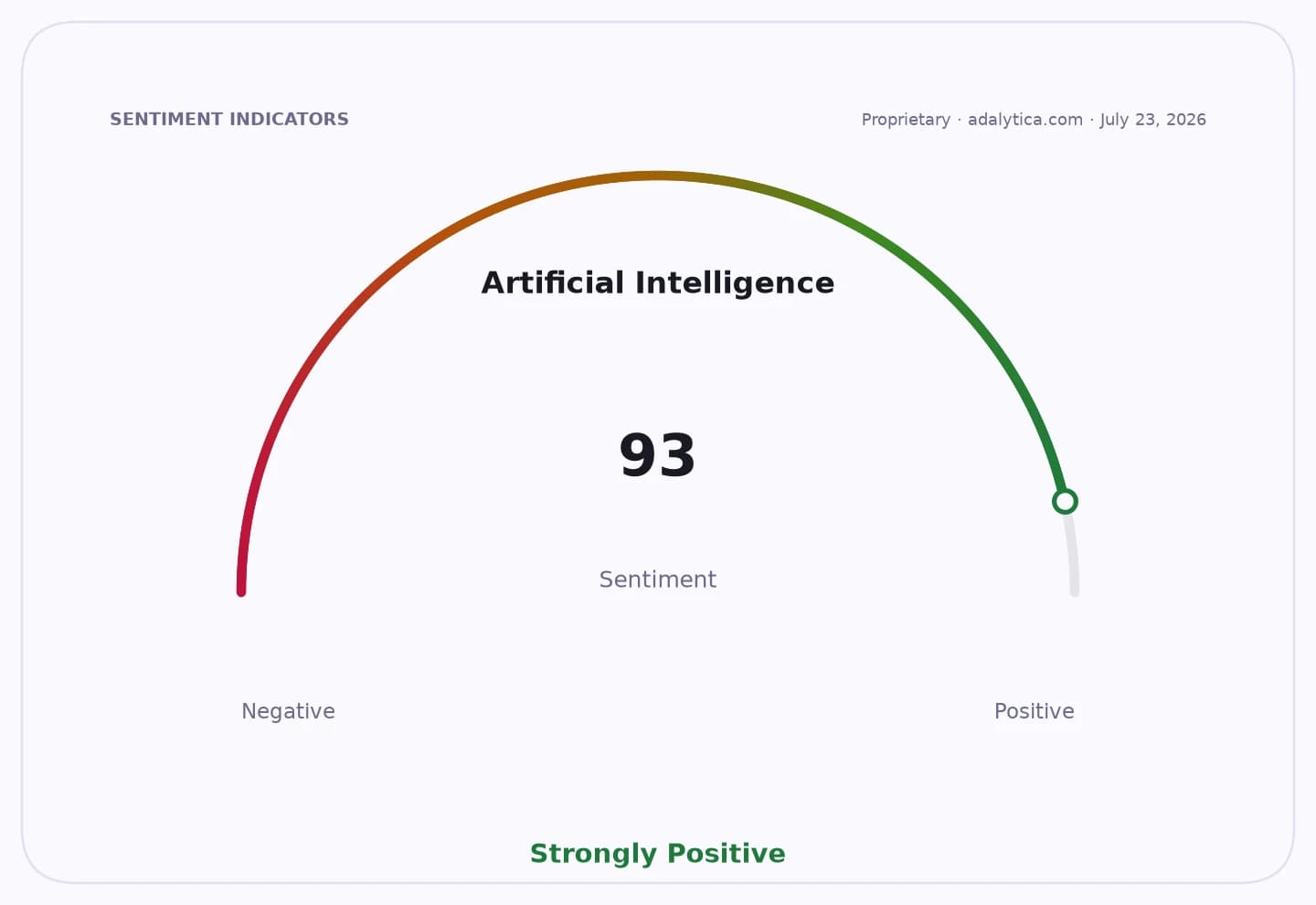
The market is already showing how powerful the AI theme remains. Adalytica’s AI sentiment gauge sits at Extreme Greed, which is a reminder that investor enthusiasm for the sector has not cooled much, even after sharp swings in individual stocks. In that kind of environment, companies with credible enterprise monetization stories often deserve more attention than pure theme plays. IBM is not the flashiest AI name, but it may be one of the most durable.
There are still risks. AI training initiatives do not always convert quickly into revenue, and Southeast Asia is a highly competitive region with global cloud vendors, local integrators and government-backed digital programs all chasing the same customers. IBM will also have to prove that its work in skills development leads to sticky contracts, not just good publicity. But for long-term investors, that is exactly the kind of execution story worth watching: a company using a powerful technology wave to reinforce its moat rather than chase it.
The biggest takeaway is that AI in the next several years is likely to be an adoption story as much as an innovation story. If IBM can help businesses in Southeast Asia move from curiosity to capability, it could capture a meaningful share of the value created as the region modernizes. Investors looking for durable AI exposure should keep IBM on the watchlist — not for a quick trade, but as a compounding story built on enterprise trust, software and services.
| Entity | Gains | Losses |
|---|---|---|
| IBM | ▲Deeper enterprise relationships | ▼Short-term event-only optics |
| Southeast Asian businesses | ▲Better AI productivity | ▼Slower firms risk falling behind |
| Workers with AI training | ▲Higher-value roles | ▼Routine tasks face automation pressure |
| Rival cloud/consulting vendors | ▲— | ▼IBM’s skills-and-services push |