IBM’s shares have climbed far enough over the past decade to reward patient investors, even as the stock remains mired in a sharp 2026 pullback that underscores how cyclical sentiment can overwhelm long-term fundamentals in Big Tech. For investors who bought IBM 10 years ago, the lesson is that a mature software and services franchise can still compound value — but only when earnings, free cash flow and capital returns keep up with market expectations.
IBM Selloff Tests Cash-Flow Story
That matters because IBM remains one of the clearest examples in the market of a company whose equity story is built less on multiple expansion and more on execution. The firm’s latest filing showed first-half software revenue up 7.9% as reported, with hybrid cloud and data growing at double-digit rates, while it generated $2.5 billion in free cash flow and returned $1.6 billion in dividends. Those are the kinds of numbers that support a long-horizon total return even when the share price is volatile.
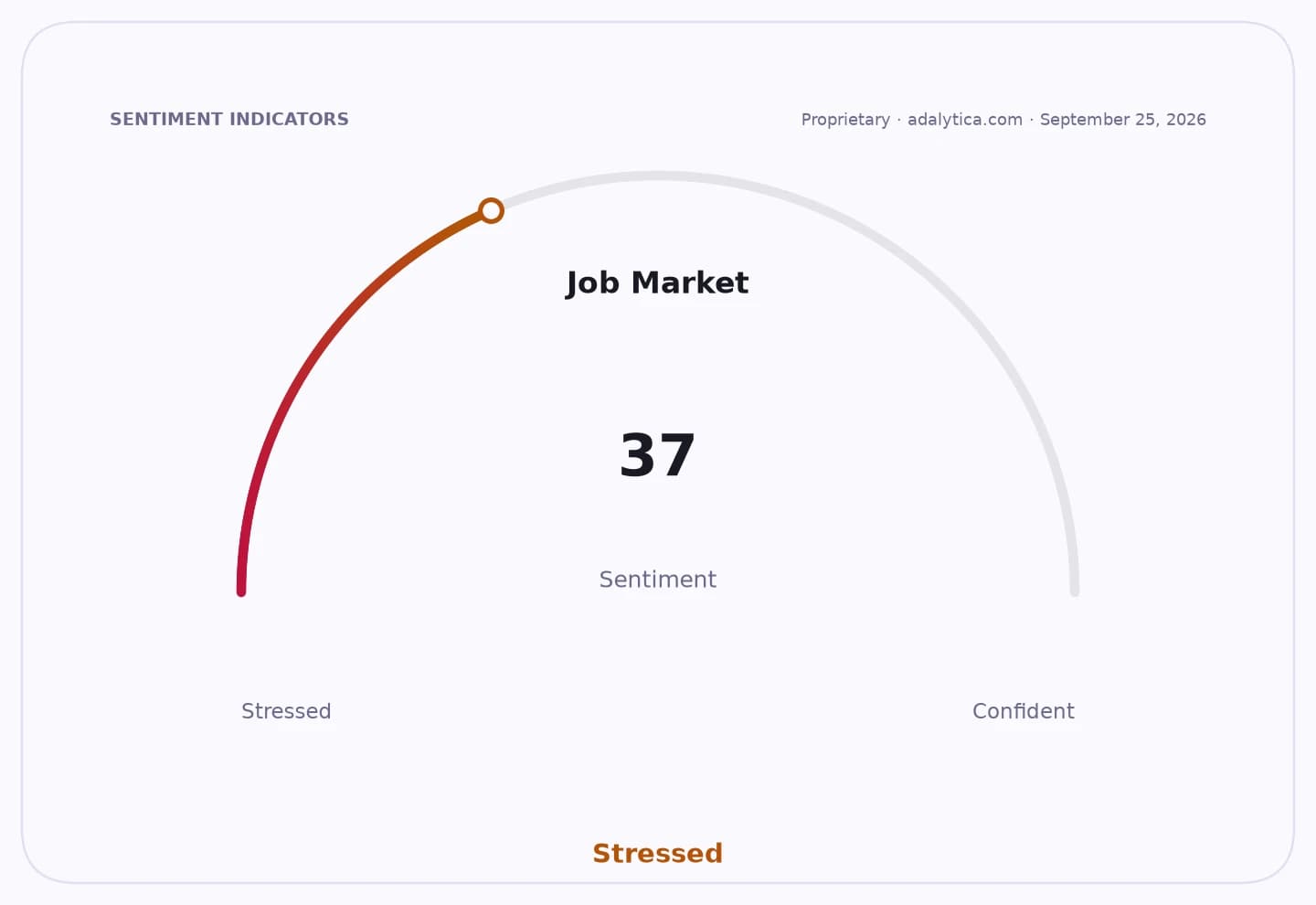
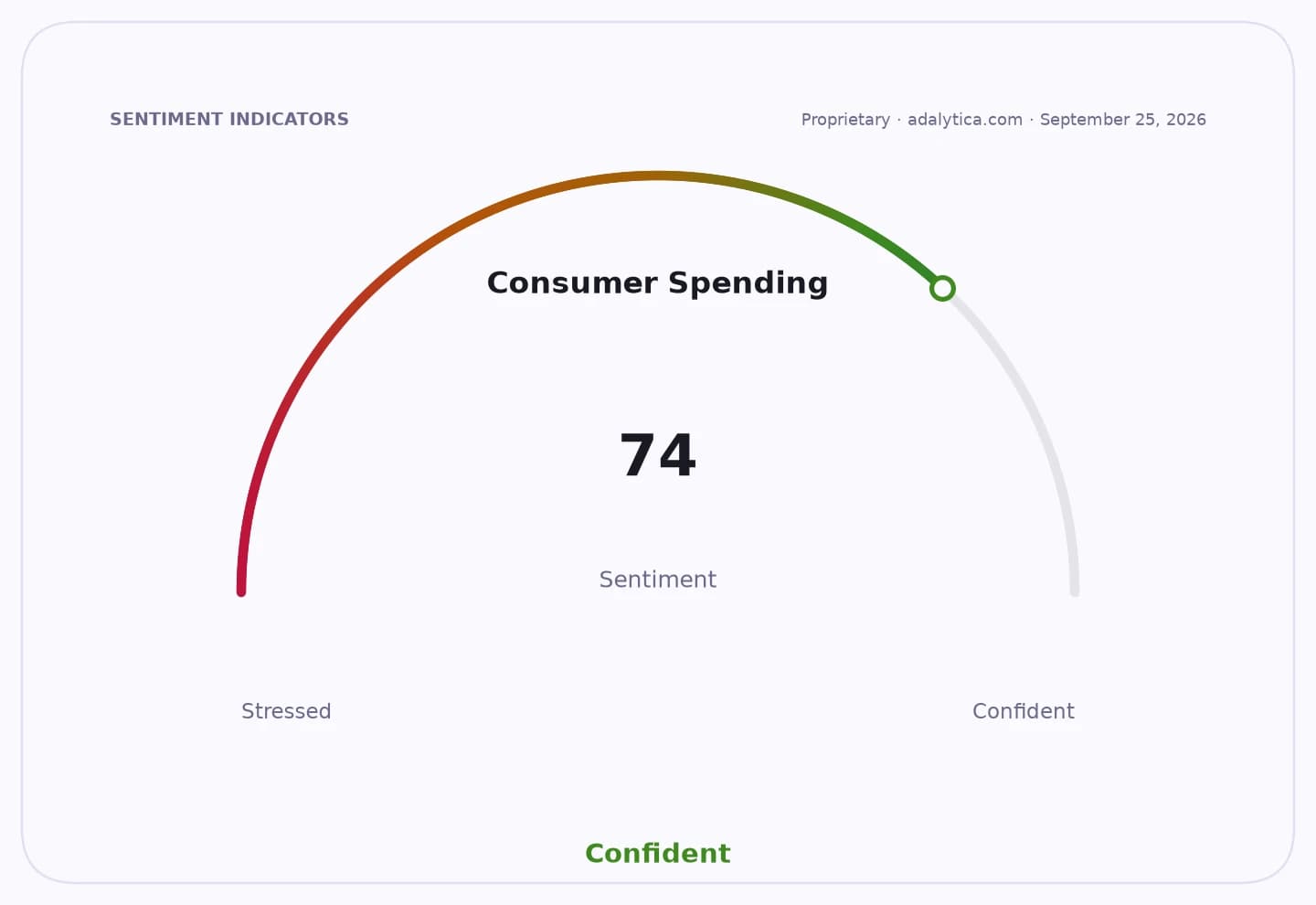
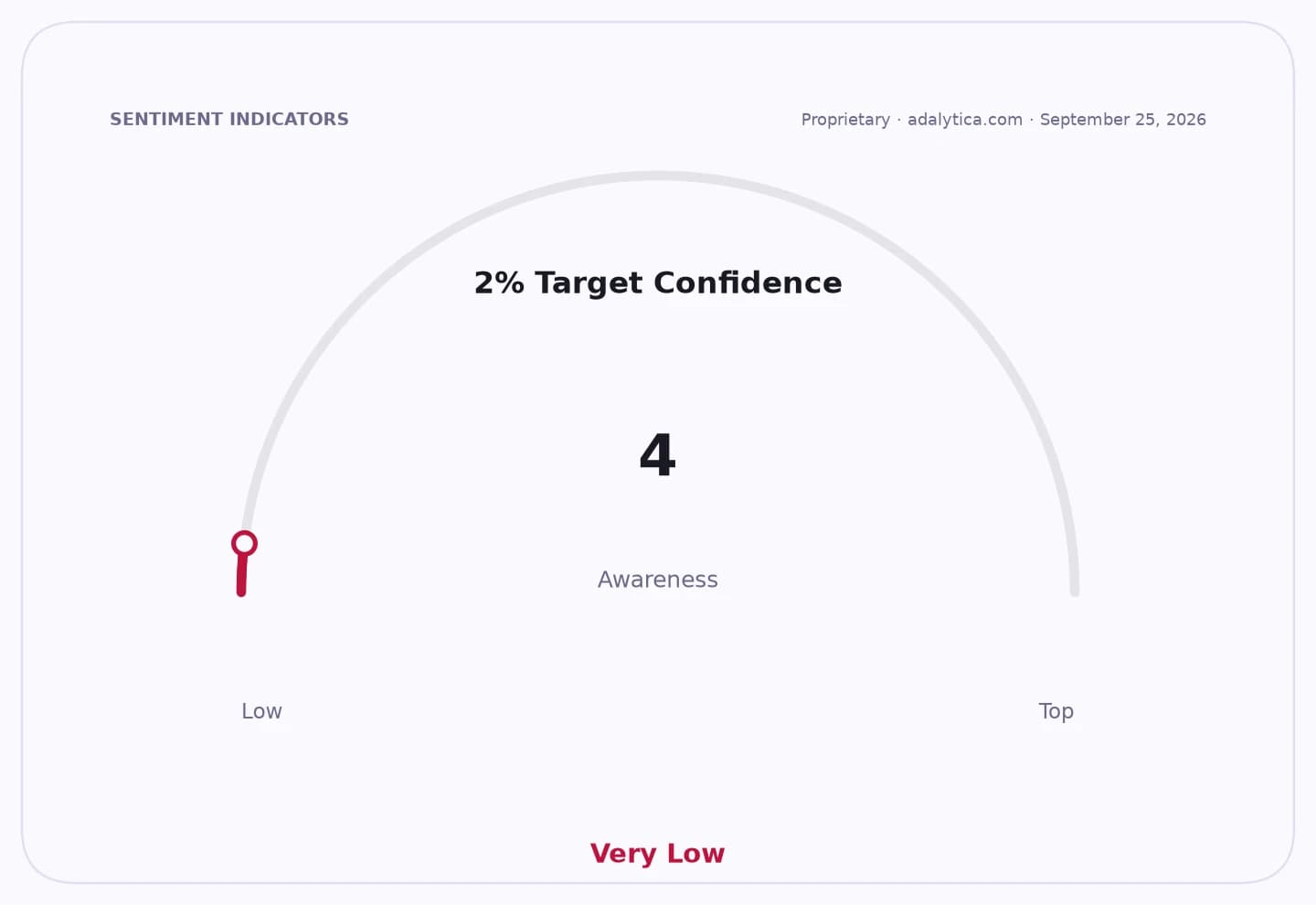
Sentiment IndicatorsⓘProprietary · adalytica.com · July 28, 2026
This is a snapshot — live sentiment, awareness and momentum for 130+ markets update continuously in the dashboard.Open AlphaPulse
The stock’s recent action shows how quickly that narrative can reverse. IBM closed at $216.89 on July 28, down sharply from a 2026 peak above $329 in early June, and technical indicators point to heavy damage: the shares are well below their 50-day and 200-day moving averages, with an RSI near 17 that signals deeply oversold conditions. The gap between the company’s operating progress and the market’s reaction suggests investors are questioning not only near-term growth, but whether IBM can sustain the kind of valuation that briefly lifted the shares in June.
The macro backdrop is not especially helpful. The 10-year Treasury yield has rebounded to around 4.7%, raising the discount rate applied to long-duration equities and making investors more selective about paying for future growth. At the same time, broader market sentiment remains neutral, while Adalytica’s PMI recession-trend gauge sits in “greed,” a reminder that equity investors are still balancing optimism about growth against the risk of slower economic activity and tighter financial conditions.
For IBM, that creates a split-screen investment case. The bull argument is that the company is steadily monetizing its software, hybrid cloud and automation assets while adding new optionality through quantum investment and targeted acquisitions. The bear case is that the market is increasingly unwilling to pay up for incremental progress in a business still fighting for a clearer growth profile versus faster-moving rivals in cloud and AI. That tension helps explain why a stock that can still support long-run returns also remains vulnerable to abrupt reratings.
Investors will be watching whether IBM can turn its pipeline of enterprise software, AI and quantum spending into a more durable growth rate before rising bond yields and compressed risk appetite continue to cap the multiple. If the company can keep free cash flow and dividend growth intact, the decade-long ownership case remains defensible. If not, the recent selloff may prove less like a pause than a warning that IBM’s next decade will require more than patience alone.
| Entity | Gains | Losses |
|---|---|---|
| Long-term IBM holders | ▲Dividend income and compounding | ▼Recent price drawdown |
| IBM management | ▲Strategic flexibility from cash flow | ▼Pressure to prove growth |
| Treasury buyers | ▲Higher yield income | ▼Less support for equity valuations |
| Growth-stock rivals | ▲Relative valuation appeal | ▼None directly |