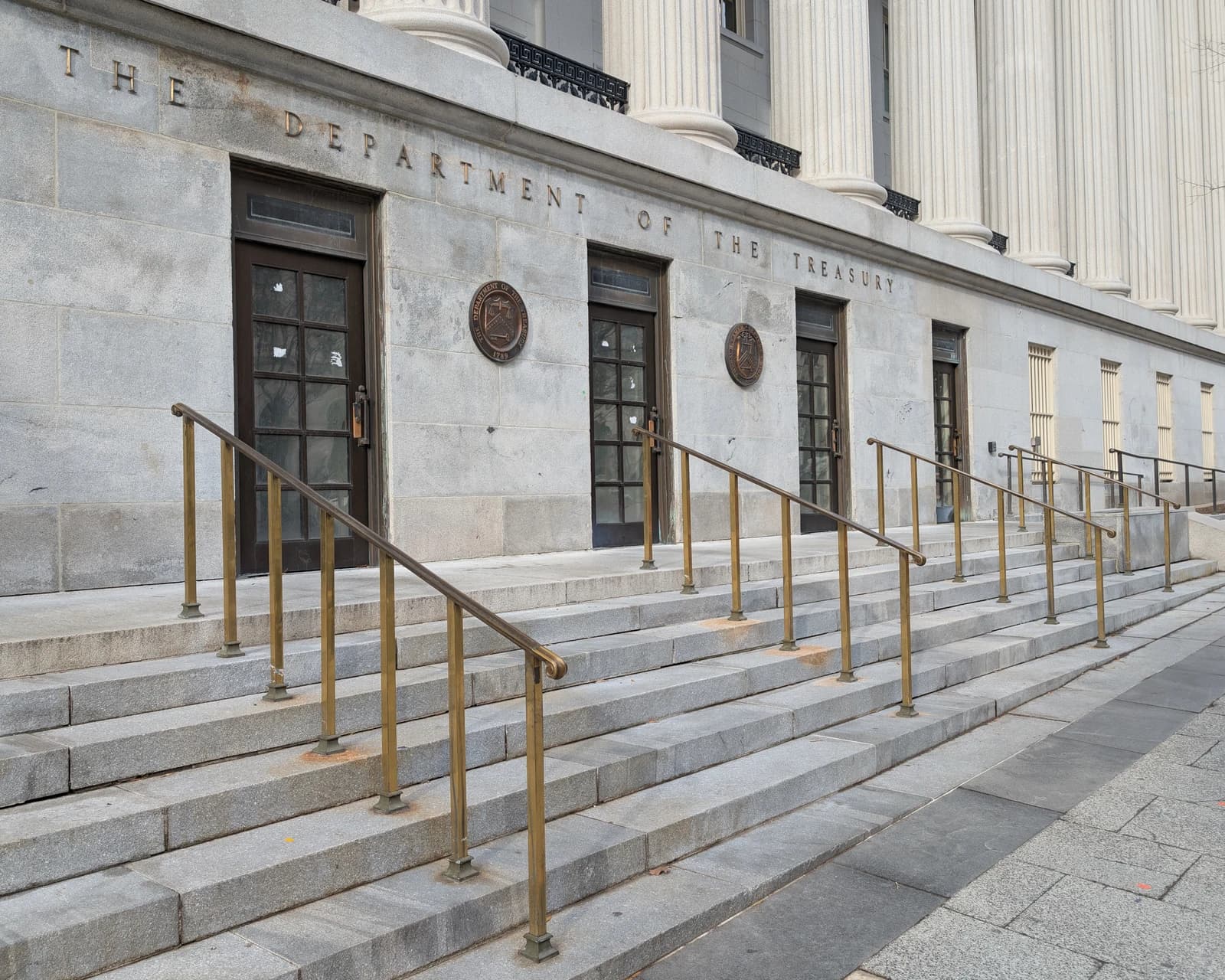
The Trump administration’s sanctions push against the International Criminal Court is drawing sharper political resistance and raising fresh concerns about the reach of U.S. financial power over global institutions.
ICC sanctions face resistance over U.S. financial power

The move matters economically because it reinforces how Washington can use access to the dollar system, banking channels and U.S.-linked assets as leverage far beyond its borders. That kind of pressure can complicate payments, travel, vendor relationships and financing for sanctioned individuals and entities, while also deepening uncertainty for international organizations already operating in a tense geopolitical environment.
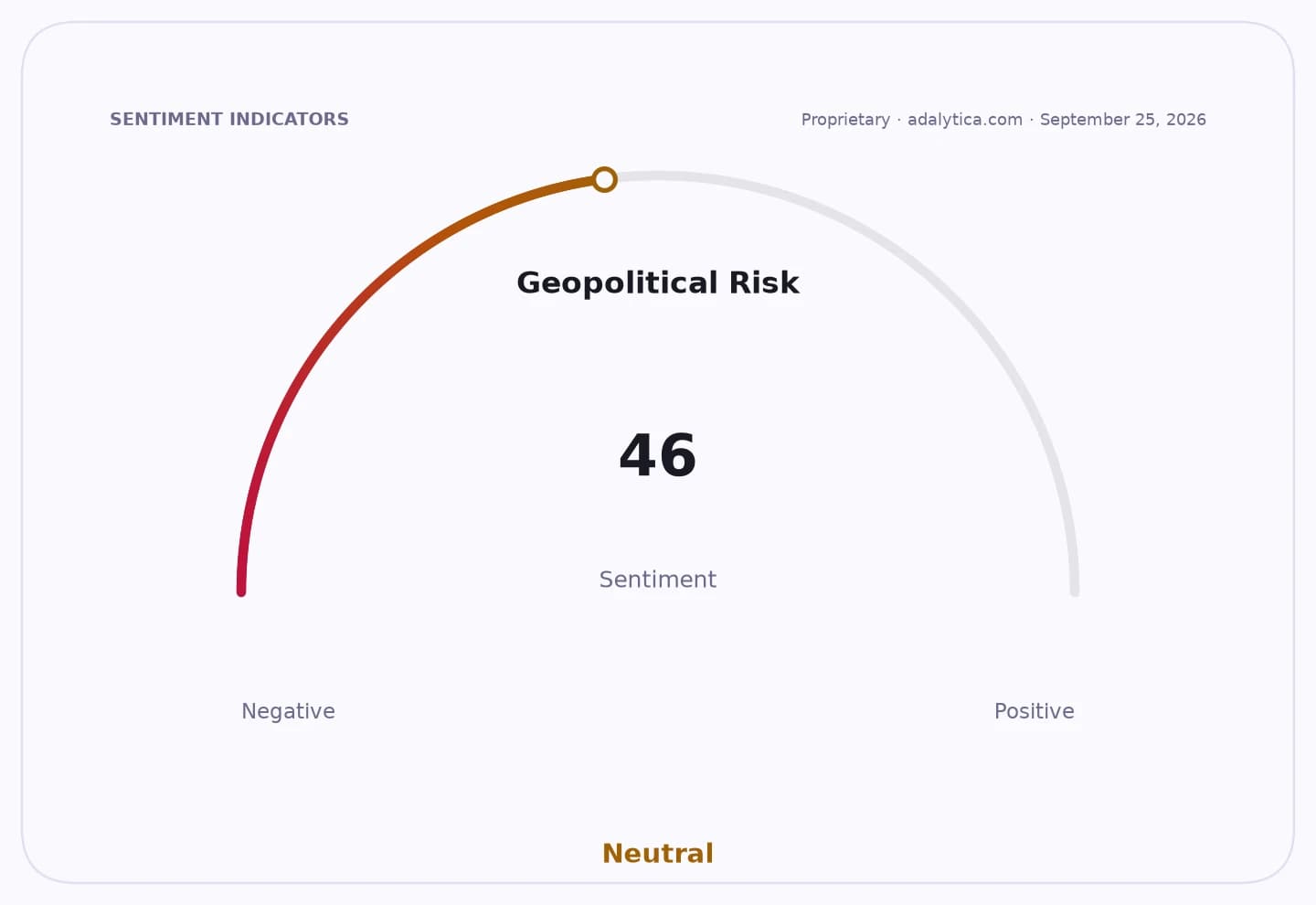
Sentiment IndicatorsⓘProprietary · adalytica.com · August 26, 2026
This is a snapshot — live sentiment, awareness and momentum for 130+ markets update continuously in the dashboard.Open AlphaPulse
The ICC has already signaled it will resist the pressure, with Chief Prosecutor Karim Khan warning the measures risk a “collapse of international law.” The sanctions have also triggered bipartisan criticism from lawmakers in other countries, including in Japan, where parliamentarians have urged support for the court.
For investors, the bigger issue is not the ICC itself but the precedent. Expanding sanctions around international legal bodies adds another layer of policy risk for multinational firms, banks and asset managers that must screen counterparties and navigate compliance exposure in an environment where Washington is increasingly willing to weaponize financial access.
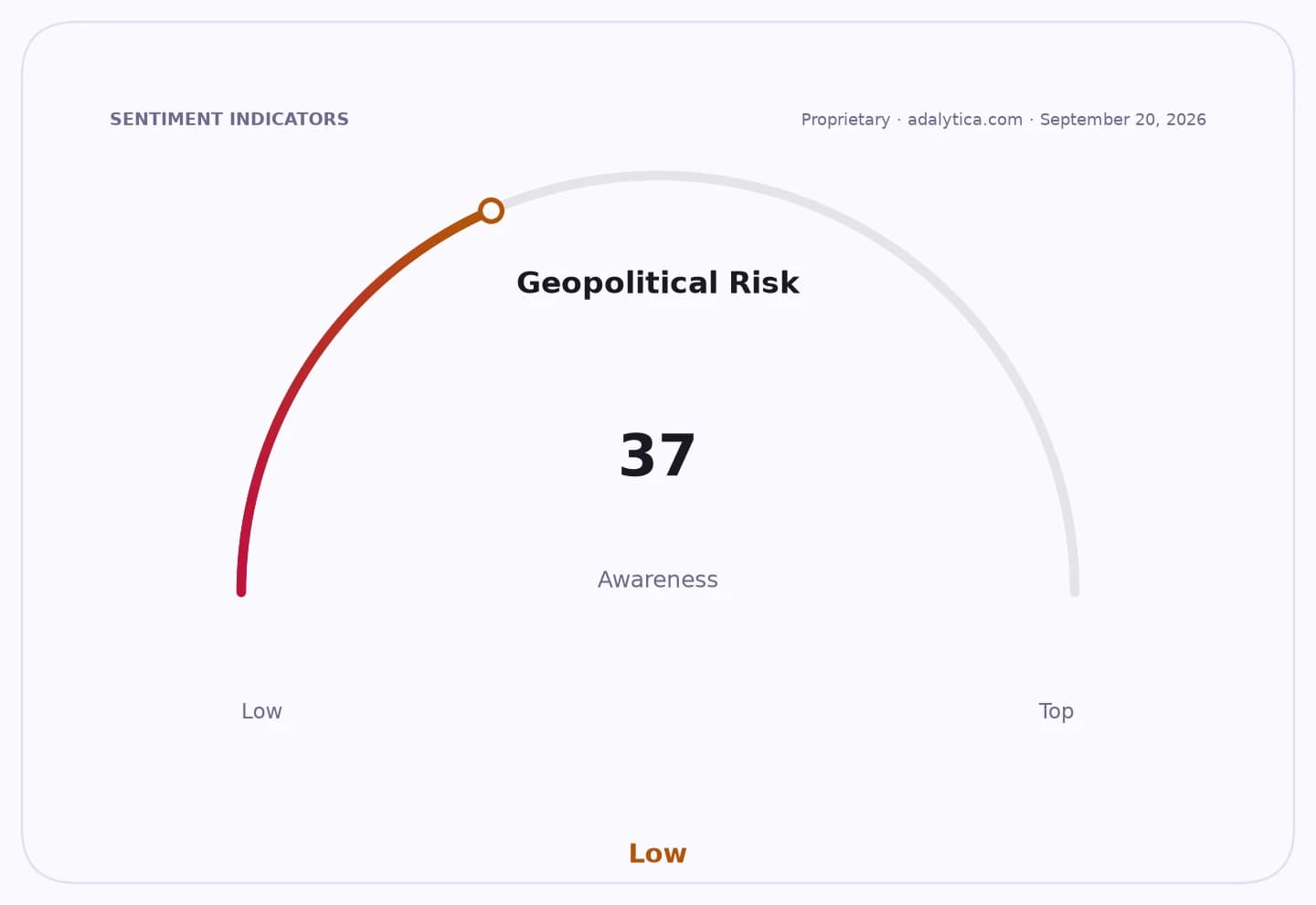
Geopolitical Risk vs SPYadalytica.com
Explore this data interactively — full history, time series and cross-market comparisons.Open AlphaPulse
The backdrop is a broader hardening of U.S. policy under President Donald Trump, including what Treasury has described as the “greatest financial offensive” targeting Iran. That reinforces the market message that sanctions remain a live geopolitical tool, one that can alter capital flows, compliance costs and cross-border business decisions even when the target is not a commercial company.
Technical signals on broad U.S. markets have been less about this headline than about risk appetite elsewhere, with the SPY ETF still above its 50-day and 200-day moving averages. But the policy backdrop adds to volatility risk in globally exposed assets if sanctions broaden or prompt retaliation.
The immediate focus now is whether allied governments provide the ICC with practical backing and whether Washington widens the sanctions regime further, which would deepen the compliance burden across the legal, banking and diplomatic worlds.
| Entity | Gains | Losses |
|---|---|---|
| Trump administration | ▲Leverage over rivals | ▼Diplomatic backlash |
| ICC | ▲Support from allies | ▼Financial and operational pressure |
| U.S. sanctions apparatus | ▲Greater reach | ▼Higher policy risk |
| Global banks and multinationals | ▲None | ▼Compliance costs and uncertainty |