IKEA is deepening its South Korean footprint with its first urban store in Daejeon, a move that broadens the Swedish retailer’s reach beyond the Seoul metro area and into one of the country’s most important regional demand centers.
IKEA opens first urban store in Daejeon
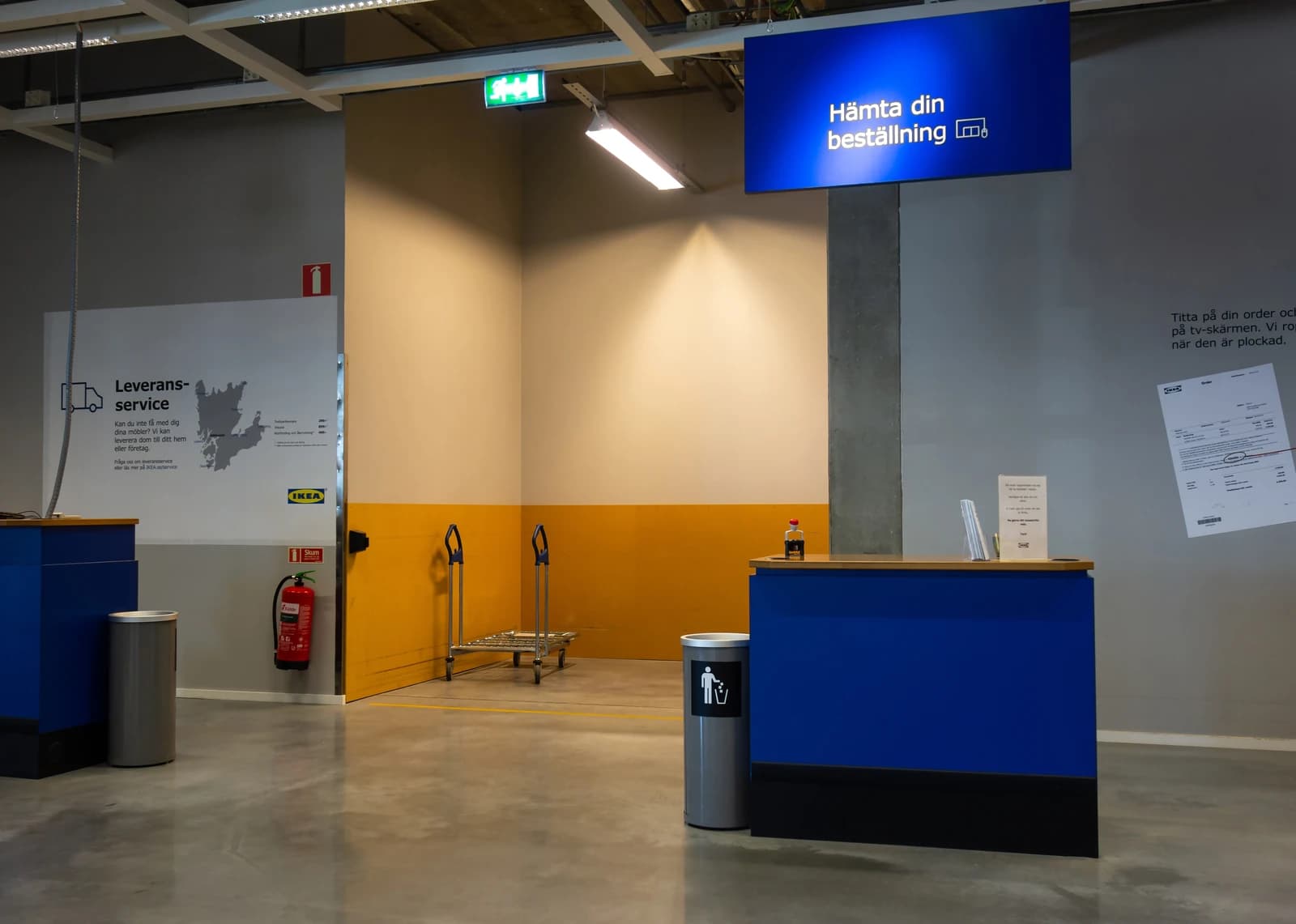
The 1,000-square-meter site at Hyundai Premium Outlet Daejeon opens on the 19th as IKEA’s third urban-format store this year and the company’s first in the Daejeon-Chungcheong region. For IKEA, the significance is not just geographic. Urban stores are designed to capture more frequent, lower-ticket traffic than destination-sized big-box outlets, giving the chain a way to lift brand touchpoints, convert casual visits into purchases and test localized merchandising in a market where consumer spending remains under pressure.
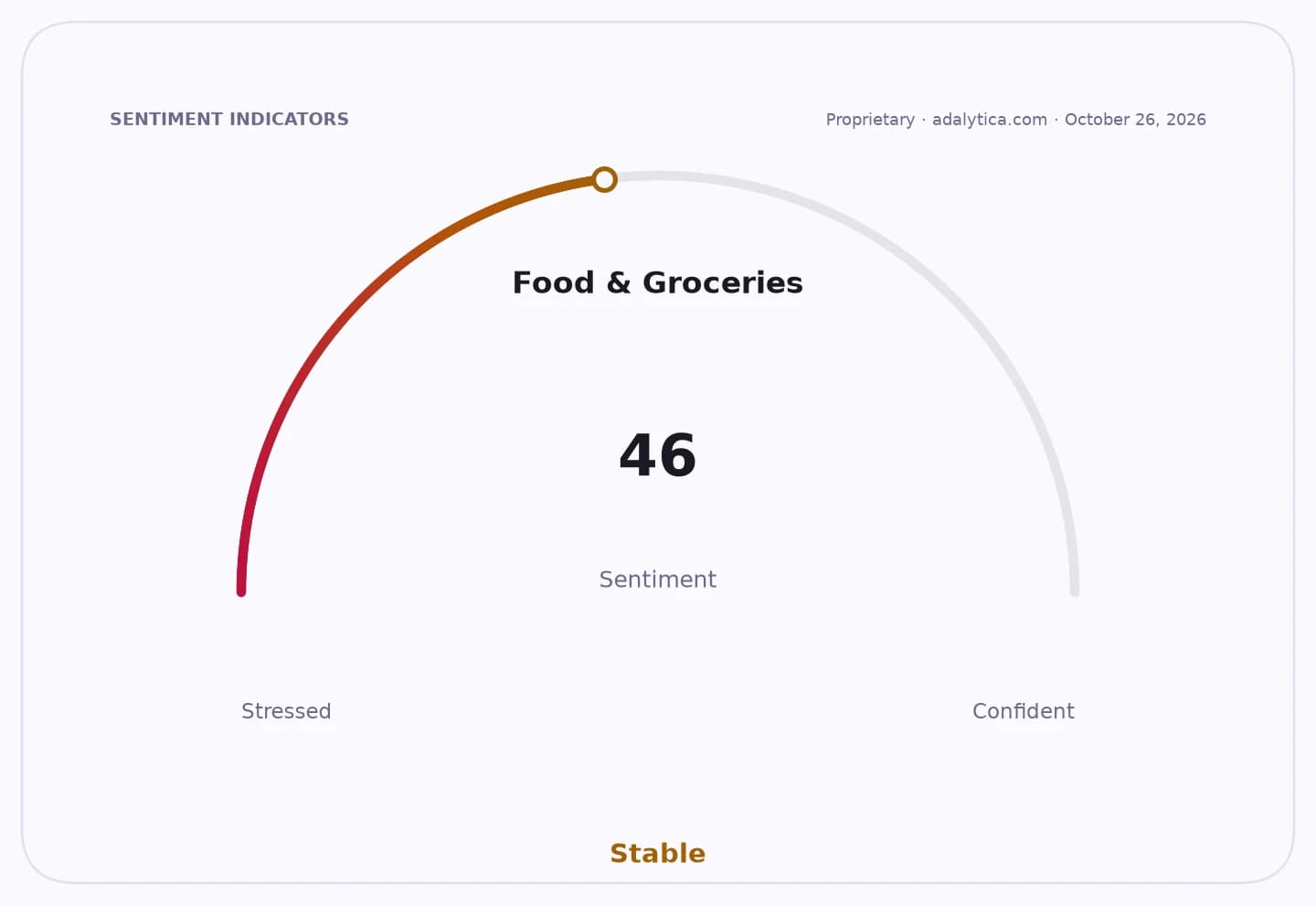
Sentiment Indicators
The store will stock more than 1,000 home-furnishing items for immediate purchase and add food sales, including ice cream, coffee, baked goods and Swedish grocery items. That mix matters because it gives IKEA a second revenue lever beyond furniture and décor, while increasing the chance of impulse buying and repeat visits. In a weaker household-spending environment, smaller-format retail that combines convenience, food and accessible price points can often outperform large destination stores on traffic efficiency.
IKEA is also using the launch to sharpen its local marketing. It is rolling out region-specific advertising featuring well-known Daejeon references such as the bakery Sungsimdang, KAIST’s duck pond and local restaurant 광천식당, along with a bakery bus tour. That suggests the company is trying to make the brand feel less like an imported foreign chain and more like a regional retailer tuned to local habits — a key step in markets where familiarity can matter as much as price.
The timing is also notable given the broader backdrop for discretionary retail. Adalytica’s Consumer Spending Sentiment gauge shows “Extreme Fear,” while Food and Grocery Spending Sentiment is also in “Extreme Fear,” underscoring how cautious consumers remain even as awareness of spending opportunities has improved. That mix favors retailers that can offer practical, frequent-use purchases over large one-off trips.
For investors, the expansion is a reminder that physical retail is not disappearing so much as reshaping. Urban formats can improve productivity per square meter and support omnichannel behavior, but they also raise the bar on execution: the stores must generate enough traffic and basket size to justify premium urban locations. If the concept works in Daejeon, it could give IKEA room to keep extending in regional Korea. If not, the challenge will be whether smaller stores can deliver enough sales density without cannibalizing larger locations.
The broader investment case will hinge on whether IKEA can translate local branding and food-led footfall into sustained spending at a time when Korean households are still selective. For now, the Daejeon opening shows the company is betting that convenience, familiarity and a tighter store format can win share even in a cautious consumer market.
| Entity | Gains | Losses |
|---|---|---|
| IKEA Korea | ▲Broader regional reach; higher traffic density | ▼Execution risk on sales per square meter |
| Daejeon consumers | ▲Easier access to home goods and food | ▼Less benefit if prices stay premium |
| Local malls/outlet operators | ▲Incremental foot traffic | ▼Other home-furnishing retailers nearby |
| Competing home retailers | ▲— | ▼Share and attention pressure |