A possible overhaul of central government pay under the 8th Pay Commission is drawing attention because a Level 8 employee could see about Rs 20.6 lakh in additional basic pay over a 10-year period, underscoring how even incremental revisions in India’s public-sector wage structure can ripple through household spending, fiscal outlays and market expectations.
India 8th Pay Commission Level 8 pay could add Rs 20.6 lakh

The headline number matters less as a one-off windfall than as a signal of the scale of income support that can flow through the government payroll if the commission adopts a generous fitment formula. For Level 8 staff, the calculation suggests the revised basic pay could compound materially over a decade, lifting lifetime earnings and potentially boosting consumption among a large cohort of salaried households that tend to spend rather than save marginal income gains.
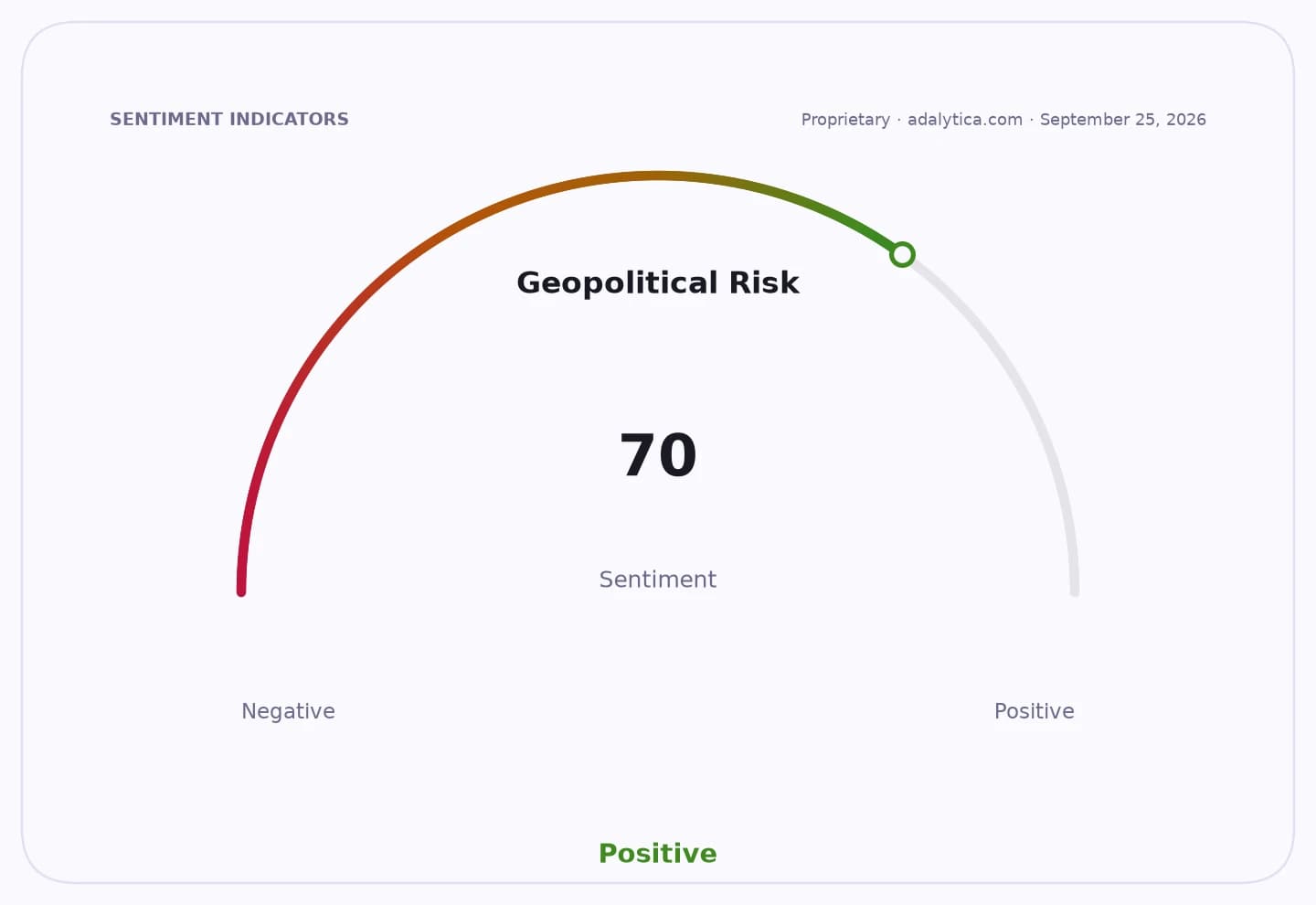
Sentiment IndicatorsⓘProprietary · adalytica.com · August 5, 2026
This is a snapshot — live sentiment, awareness and momentum for 130+ markets update continuously in the dashboard.Open AlphaPulse
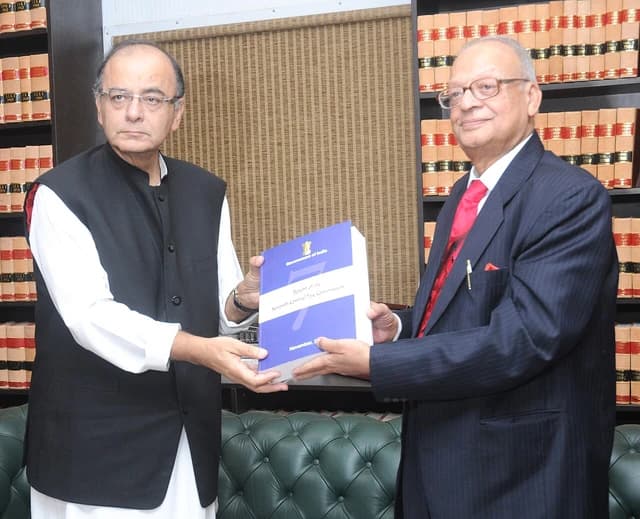
That has wider economic implications. A pay revision across central government employees typically feeds into dearness allowance resets, pension liabilities and state government benchmarking, raising the eventual bill for the exchequer. In a country where public wages often anchor expectations in the broader formal labor market, a stronger award could also influence private-sector compensation at the lower and middle end of the pay scale, especially in industries that compete for similar talent.
For investors, the main issue is the trade-off between consumption support and fiscal pressure. Higher take-home pay would be positive for discretionary spending, autos, consumer durables, housing-related demand and some financial services, particularly if the increase is phased in but large enough to affect monthly cash flow. The bear case is that a bigger wage commitment could widen the government’s recurrent spending burden and leave less room for capital expenditure or force tighter fiscal management elsewhere.
The market usually treats pay commission speculation as a macro policy event rather than a narrow government-service story because of its second-order effects. Bond investors watch the possible impact on the deficit and borrowing needs, while equity investors look for beneficiaries in domestic demand sectors. A meaningful hike would arrive in an economy where sentiment around risk assets remains elevated and the dollar has also been firm, a backdrop that can amplify attention on any policy step that changes household liquidity.
The key question now is not just whether Level 8 employees get a larger basic pay packet, but how broad the final award will be, how quickly it is implemented and whether the government chooses to balance wage relief with fiscal restraint. The shape of the commission’s formula will determine whether this becomes a one-time morale boost for employees or a broader macro story with consequences for growth, inflation and market positioning.
| Entity | Gains | Losses |
|---|---|---|
| Level 8 employees | ▲Higher basic pay | ▼None directly |
| Consumer-facing sectors | ▲Stronger spending demand | ▼Margin pressure from wage inflation |
| Government employees overall | ▲Better salary and pension base | ▼Fiscal restraint if award is limited |
| Central government finances | ▲— | ▼Higher recurring wage bill |